
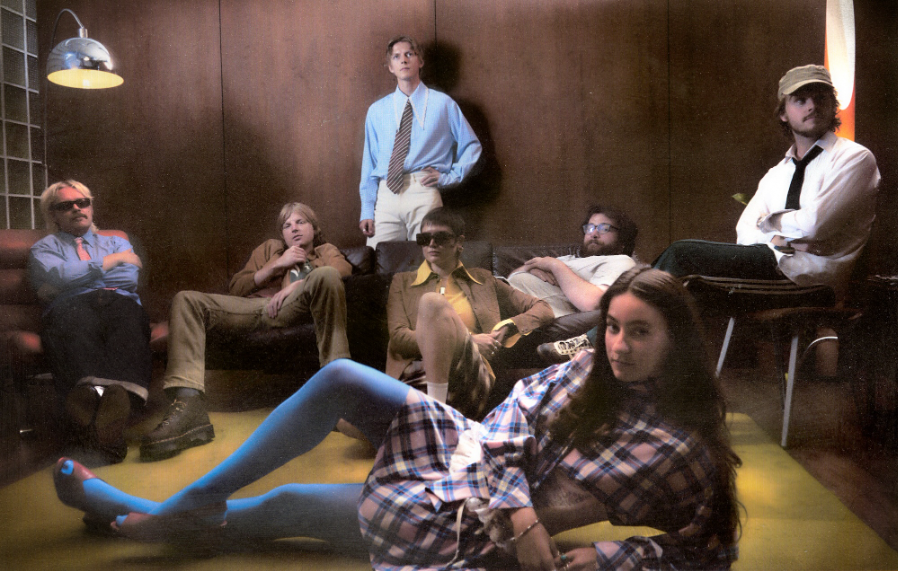


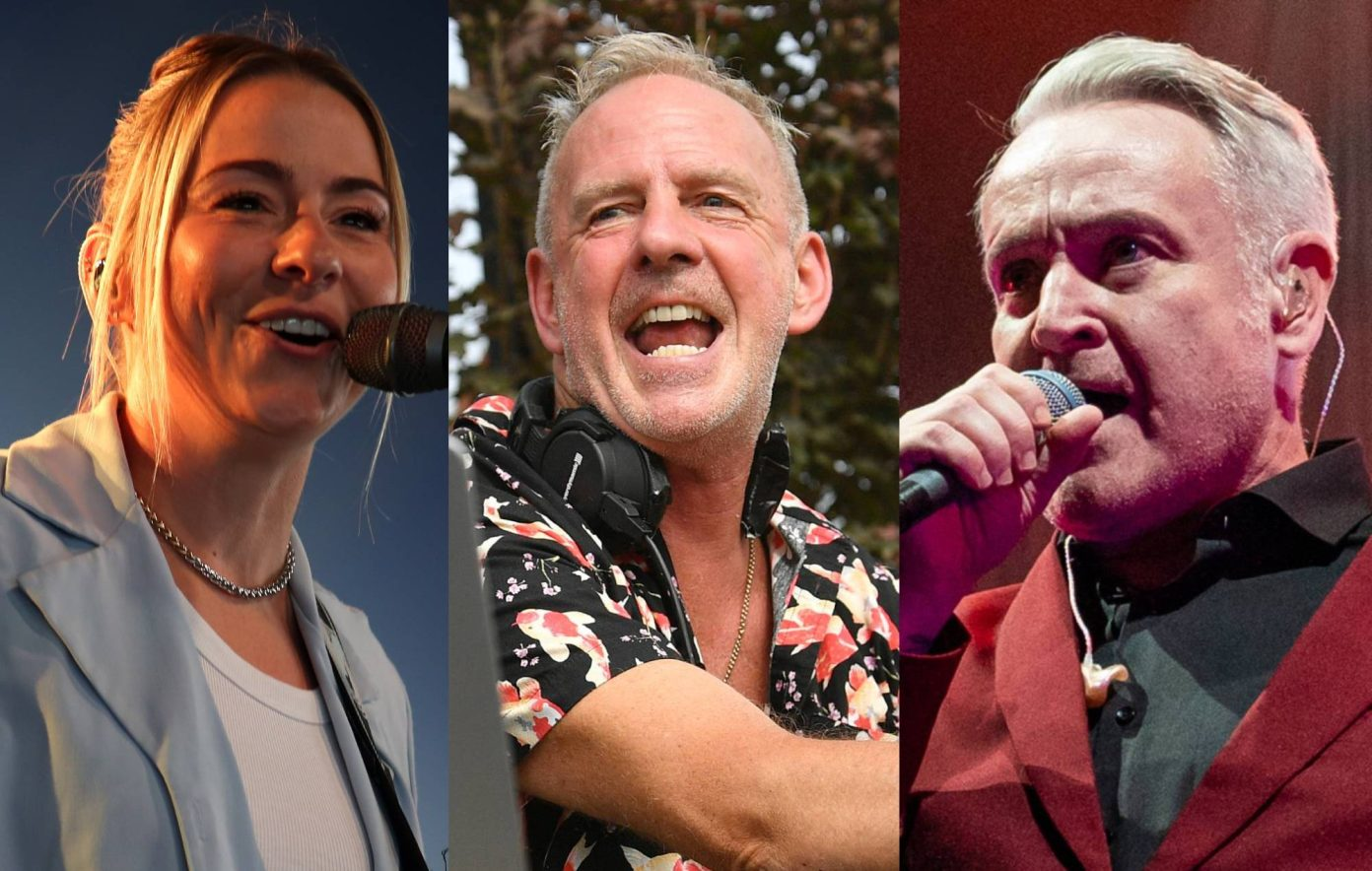
Fatboy Slim, Lucy Spraggan, Gene, D Double E and Westside Cowboy are among the latest artists added to the line up for Everywhere At Once, the new nationwide festival being described as a “Glastonbury replacement” during the festival’s fallow year.
The event is being organised by Music Venue Trust in partnership with The National Lottery and is scheduled to take place from June 26 to June 28. The dates coincide with what would normally have been Glastonbury weekend before the festival announced a break for 2026.
Rather than taking place at a single site, Everywhere At Once will spread across hundreds of grassroots music venues throughout the UK.
Across the three day event, venues from Inverness to Penzance will host performances from both major artists and rising acts. The goal of the festival is to reconnect fans with local independent venues while encouraging community support and music discovery.
Becky Hill, Tinie Tempah, The Lathums, Rizzle Kicks, The Divine Comedy and Master Peace had already been confirmed for the event. Now, Music Venue Trust has revealed another wave of performers joining the line up.
Fatboy Slim, Glenn Tilbrook, Lucy Spraggan, Gene, D Double E, P Money and Westside Cowboy are among the newest additions. Tilbrook is set to appear at Theatreship in Canary Wharf, East London, while Spraggan will perform at The Sub Rooms in Stroud.
Gene will also play shows in Southampton, Newport and Lancaster. D Double E is heading to The Brickworks in Nottingham, P Money will perform at Suki10c in Birmingham, and Westside Cowboy are scheduled for a hometown performance at Manchester’s Low Four.
The Lathums have additionally confirmed another date at Preston venue The Ferret after their two previously announced shows sold out within minutes.
Details surrounding Fatboy Slim’s appearance and ticket information are expected to be announced closer to the festival weekend.
 Everywhere At Once line-up. CREDIT: PRESS
Speaking about the initiative, Fatboy Slim reflected on the importance of small venues in shaping artists and music culture.
“I’ve been lucky enough to play huge stages all over the world, but grassroots venues are where it all started for me and where music scenes really begin, where artists learn their craft, where communities form, and where people come together purely for the love of it. Without grassroots venues, independent promoters and local crowds taking a chance on something new, none of this exists,” he said.
“These spaces are vital for culture and for local communities, so if there’s anything I can do to help shine a light on them and help keep that spirit alive, I’m more than happy to be involved. And if you care about music, go out and support your local venues, buy a ticket, discover somebody new, and be part of keeping those scenes alive.”
Glenn Tilbrook also shared his thoughts on the value of grassroots venues, reflecting on how important they were during the early years of Squeeze.
“50 years ago Squeeze started out in the small venues of South East London. Later this year we will be playing our biggest UK tour, including at the O2 Arena across the Thames from the Theatreship. I still go out and play solo shows at grassroots venues and some of the best nights I’ve ever had playing music have been in tiny rooms packed with people who just love live music,” he explained.
“These venues don’t just support musicians, they become part of the fabric of local communities,” he added. “They give people a place to meet, connect and discover something new. We need to cherish them, if we lose them, we lose far more than somewhere to see a band. So show your support for your local venue, you never know where the next great artist, or the next great night, might come from.”
Lucy Spraggan also spoke about the wider impact grassroots venues have on the music industry, calling live music an “ecosystem”.
“Each night a venue supplies a stage for an artist, that artist is supported by their crew, just as the venue is supported by their staff. You can see the network of livelihoods that entwine through the umbrella that is ‘live music’, it’s pretty endless,” she said.
“There is a career for musicians, crew, artists, tour managers from smaller projects all the way to Taylor Swift sized projects, but only if we have the venues to support them,” she continued. “Grassroots venues give opportunities to a plethora of people and we, as artists and gig goers, breathe life back into the venues. We are all an important part of the ecosystem.”
The festival is being led by Music Venue Trust, Save Our Scene and the Association of Independent Promoters, while The National Lottery continues its support for the grassroots music sector. Their partnership first began in 2021 to help revive live music following the pandemic shutdowns.
During the three day event, fans will also have opportunities to support charities including War Child, Nordoff and Robbins, Help Musicians UK and Teenage Cancer Trust.
The launch of Everywhere At Once comes during a difficult period for the UK live music industry. Recent reports revealed that 30 grassroots venues permanently closed between July 2024 and July 2025, while more than half of the remaining venues operated without profit last year and over 6,000 jobs disappeared from the sector.
To help support smaller venues and developing artists, industry leaders have continued pushing for a ticket levy system. Under the proposal, a portion of ticket sales from arena and stadium shows would go toward helping grassroots venues survive and supporting touring artists.
The industry has until June 2026 to ensure that at least 50 per cent of major live events voluntarily contribute to the levy before the UK government considers making it mandatory through legislation. Live Nation has faced criticism for not moving as aggressively as some other companies.
Live Nation, which previously supported Harry Styles donating £1 from every ticket sold for his upcoming Wembley Stadium residency to the LIVE Trust, responded by saying it “supports artists’ choices on charitable donations, and has worked with numerous artists who have contributed to the voluntary levy, from Coldplay to Biffy Clyro, and will continue to do so.”
The levy proposal has often been compared to the financial structure used in Premier League football and received backing from the UK government in 2024.
Earlier this year, grassroots venues also received some relief after the government reversed a planned increase in business rates and introduced additional support measures for pubs and live music venues.
-
Freddie Jackson Passes Away Just Days After Turning 70
-
Fans React To Glastonbury 2027 Coach Packages Selling Out Within 30 Minutes
“Why do I do this to myself every year?”
-
Watch Mike D, Money Mark and Mix Master Mike Perform Together in Los Angeles
The trio reunited for a rendition of 1992 single 'So What'cha Want'
-
Olivia Rodrigo’s Daisy Chain Fields Festival Raises $20 Million
-
Trivium and In Flames Reveal Dates for Major 2027 UK and European Tour
The tour includes a slot at Alexandra Palace next spring
-
Ice Spice Appears on Kanye West & Ty Dolla $ign’s ‘New Body,’ New Report Says
Kanye West and Ty Dolla $ign never got to release "New Body" with Nicki Minaj's verse.
-
Another Person Reportedly Linked to Death of Teen Found in D4vd’s Car
-
Warner Music Takes Legal Action Against Ray-Ban Over Unlicensed Music
-
The Slow Country’s Warm Alt-Folk Promises A Good Time
-
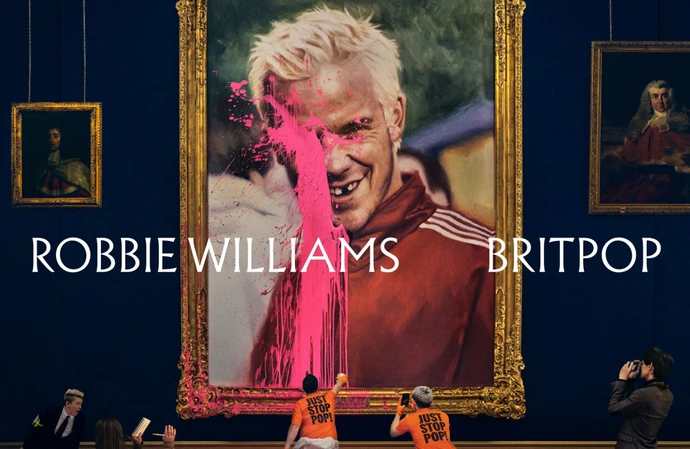
Robbie Williams Chosen As Album Icon For National Album Day 2026
-
blockboydoo's "mollysantana (willubemine)" Is a Self-Made R&B Breakout
That tension between the swagger of the title and the tenderness of its subject is the heartbeat of blockboydoo's music.
-
Oasis’ Live ’27 Tour Could Add More Support Acts, Says Liam Gallagher
-
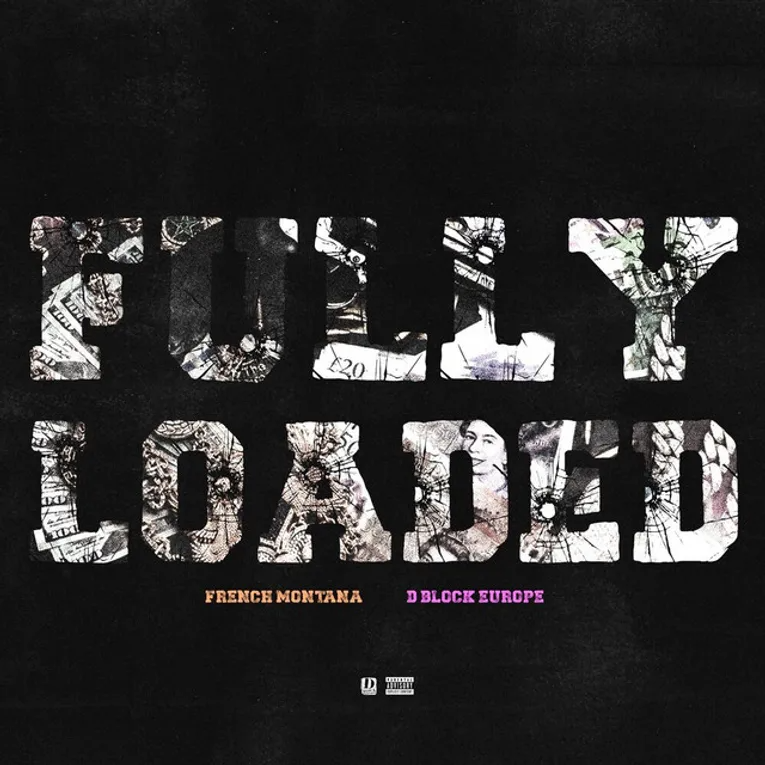
D-Block Europe Teams Up With French Montana for ‘Fully Loaded’
"Fully Loaded" by D-Block Europe and French Montana is a brief cut, but traded verses between these MCs make it feel grander.
-
Peezy Joins Forces With Babyfxce E On “I Can’t Tell”
-
Smiley Drops New Song "Two Tone"
Smiley is back with his new single, "Two Tone," which carries forth his signature style that has proven to be polarizing.
-
“U Dig Me” Marks Another Release From Kenny Muney
Kenny Muney is a Memphis artist whose new album "U Dig Me" is coming soon, and on Wednesday, the title track was released.
-
Cochise Brings a Fresh Sound on “Skin Care”
Cochise has fans demanding a new album soon, but at least he will hold them over for now with the new single "SKIN CARE."
-
Rocket Rese Drops Heavy New Collaboration "BAPTIZED" With SosMula
Rocket Rese shared his first project of his career this year and it doesn't look like he's going to slow down for the rest of 2026.
-
Dead Kennedys Guitarist Claims Jello Biafra Is Holding Back Potential Reunion
"It's not an issue for me or Klaus," founding Dead Kennedys guitarist East Bay Ray explains.
-
LE SSERAFIM announce 2025 ‘Easy Crazy Hot’ world tour
Featuring concerts in Asia, North America and more
-
Mischa Barton reveals she’s a huge Oasis fan: “They’re the coolest”
“What kind of self-respecting Brit would I be if I wasn’t?”
-
Eem Triplin drops “Duya” single ahead of upcoming album
Eem Triplin, once known for crafting type-beat internet productions, has smoothly transitioned into a full-fledged artist in his own right.
-
Kiana Ledé On Being Indie, ‘Cut Ties,’ And Singlehandedly Extending Spooky Season
The singer detailed how she intertwined love and horror for 'V Sessions.'
-
Royal Deb displays her Jamaican roots new reggae single “Somebody For Everybody”
Since Royal Deb was just a child in St. Ann, Jamaica, she has been immersed in the reggae music scene.

COMMENTS
Leave a comment