
.jpg)


Do you think that some of your earliest musical experiences planted a seed for your interest in writing lyrics or poetry? How and when did you start writing?
My earliest musical experiences I would say were listening to CDs in my parents' car, particularly Beatles records. From the age of seven to twelve that’s probably all I listened to, and because of that, lyrics were more of a means to an end to write music at the start.
Around 14-15 is probably when I first started writing songs, and because of my love for bands like The Beatles or The Beach Boys, lyrics were really only meant to serve the music and not do much more than that. Throughout high school and even my one semester at college I was never a “writer”. I was a C, maybe B student in English class (as you can probably tell from my writing in this interview lol) and I never got close to joining any poetry clubs. Not because I thought it was weird, but because I simply wasn’t good at it.
I started getting into folk music when I was about 19 and that’s when I actually started giving words a meaning in my songs. Writers like Leonard Cohen and Bob Dylan were my way in, and that later extended to more contemporary artists like Bill Callahan or early Modest Mouse. I wasn’t very good at it yet, and I still wouldn’t consider myself great at it, but I definitely feel like I found my own voice.
Oftentimes when I write in a notebook now, I can get a similar feeling to playing the guitar, thoughtlessly putting words to paper that feel right in my own way. In the end, I feel that’s the only thing you can ask for as an artist.
Entering new worlds and escapism through music and literature have always exerted a very strong pull on me. What do you think you are drawn to most when it comes to writing?
I am completely drawn to writing without any thought.
Most of the time now when I sit down to write, I’ll start the pen before a single thought enters my mind and just let it go. Most of it ends up being disjointed ramblings and rants, but the ten percent that somehow makes sense always ends up being the best things I could write. In this same way, when I sit at a piano with a melody I will just start rambling over it, and something inspiring usually comes out.
My favorite thing in the world is when you can pair a short phrase with one very simple change in a chord progression, and because of their pairing together, they hold a weight that neither could have held on their own.
What were some of the artists and albums which inspired you early on purely on the strength of their lyrics? What moves you in the lyrics of other artists?
The first records that inspired me lyrically were Songs Of Leonard Cohen, Freewheelin’ Bob Dylan, and then a little later on, Lonesome Crowded West by Modest Mouse and Sometimes I Wish We Were An Eagle by Bill Callahan.
What moves me with all these artists is they each can say things in their lyrics that no one else could have said with as much impact. Using phrases and words that if anyone else had used it might have come off purely as a joke, or just meaningless.
My favorite lyric writers can put meaning to things that often hold no significance.
Have there been song lyrics which actually made you change (aspects of) your life? If so, what do you think, leant them that power?
If I could point to a single song it would probably be “Jim Cain” by Bill Callahan.
Bill has this power to say the simplest things that can just tear your heart out. Specifically the line, “I used to be darker, then I got lighter, then I got dark again”.
It just speaks to the constant ebb and flow of life that I, and everyone, will always be caught in. I think of that line often when these changes come.
It is sometimes said that “music begins where words end.” What do you make of that?
I think music can take words farther than words could ever go on their own.
Take The Bible for example. Hundreds of millions of people have chosen to live by its every word, yet it is felt most religiously when those words are put to song in a church. Whether that song be a hymn or a thirty piece gospel choir.
I have always considered many forms of music to be a form of poetry as well. Where do you personally see similarities? What can music express which may be out of reach for poetry?
I think music can peel away any conscious thought in a way that words cannot.
You cannot drift off and daydream about something completely different when reading a book or else you will not be registering the words on a page. However, when listening to music, you can put the sound to any place you may be in your head.
Not to say books and poetry cannot take you places or be interpreted in completely different ways, but there’s an open end to music that allows for a bit more exploration, I’ve found.
The relationship between words and music has always intrigued me. How do you see it? In how far can music take you to places with your writing you would possibly not have visited without it?
I would not be a writer at all without music.
Writing started for me as a way to write pop songs, and has now blossomed into a completely separate way to express myself. The feeling that a melody and chord progression can give me when paired together, is often the catalyst for any and all writing I’ve done.
I’ve recently started writing short essays and long ramblings without any intention of them ever being put to music, but I don't know if I’ll ever be able to give those words as much power as a great lyric put to a great song.
What are areas/themes/topics that you keep returning to in your lyrics?
I think one thing would be the joy in the inescapable. “Certainty” from the latest record was my biggest exploration of that theme.
It's an endless ride on different forms of transportation, all the beautiful and disgruntled things you might see along the way, and then a Truman Show door at the end of it all that may or may not hold everything you’ve been waiting for.
On the basis of a piece off your most recent release, tell me about how the lyrics grew into their final form and what points of consideration were.
Speaking of ‘Certainty’, I had that piano part for a while. I tried many different verses over it and ended up landing on this story that outlined my trip to work at a warehouse that I used to work at up in Rogers Park in Chicago.
For that one I had to consider the rambling rhythm of the melody. I knew it needed to be wordy, and this was the first song I’d ever written that had this many lyrics so I knew it’d be an uptaking.
But once I had found this story of me on my daily commute to work and the ending of this Truman Show type door, I knew it felt right.
Do you tend to start writing with what will be the first line of the finished lyrics? The chorus? At a random point? What are the words that set the process in motion?
Hmmm, I’d say it’s different most times, but more often than not the first line that sticks will usually end up being the hook or a main part of the chorus.
I'd love to know how you think the meaning or effect of an individual song is enhanced, clarified or possibly contradicted by the EPs, or albums it is part of. Does the song, for example, need to be consistent with the larger whole?
I’d say if the artist has a vision for what they’re creating, even if the subject matter is different or even contradictory, from song to song, the feeling will come through. Contradiction particularly is so important in music and art because it is all around us all the time, nothing is for certain.
Speaking to “Certainty” once again lol, the ending line “I’m sure of it” being over the more triumphant orchestration at first, then for the last time around, transitioning to a darker harmony underneath, is meant to show that lack of certainty in this phrase.
When you're writing song lyrics, do you sense or see a connection between your voice and the text? Does it need to feel and sound “good” or “right” to sing certain words? What's your perspective in this regard of singing someone else's songs versus your own?
I think when writing songs, the words should always serve the music.
However, a lot of the times my favorite lyrics are the ones that still serve the music, but almost feel wrong. Whether that means an extra syllable or two, an awkward sounding word, or lingering on a sound that is a little unconventional.
There are words that will always feel great to sing like “tonight” or “baby”, and a lot of the time these will work best within a song. But finding an alternative is always exciting to me (however not always necessary).
I would love to know a little about the feedback you've received from listeners or critics about what they thought some of your songs are about – have there been “misunderstandings” or did you perhaps even gain new “insights?”
The misinterpretation of lyrics I write is often my favorite part.
People will always take whatever they want to from the lyrics, and oftentimes I’ll put words down without really thinking about what they mean in a more literal way anyways. That way they can hold some mystery for me, too.
Creativity can reach many different corners of our lives. Do you feel as though writing song lyrics or poetry is inherently different from something like making a great cup of coffee? What do you express through music that you couldn't or wouldn't in more 'mundane' tasks?
I think I’ve found music gets me to a point of euphoria that nothing else really can.
However, a delicious meal, a look out the train window, or a long night out with friends is what makes the music mean something in the first place.
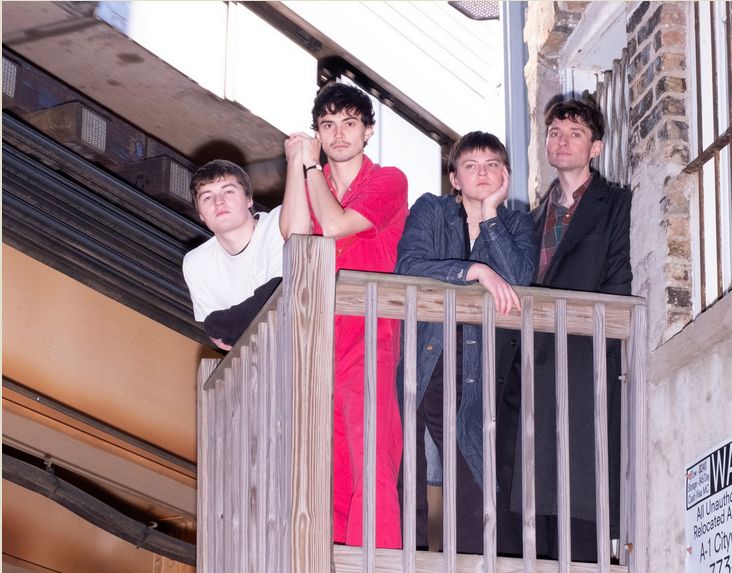
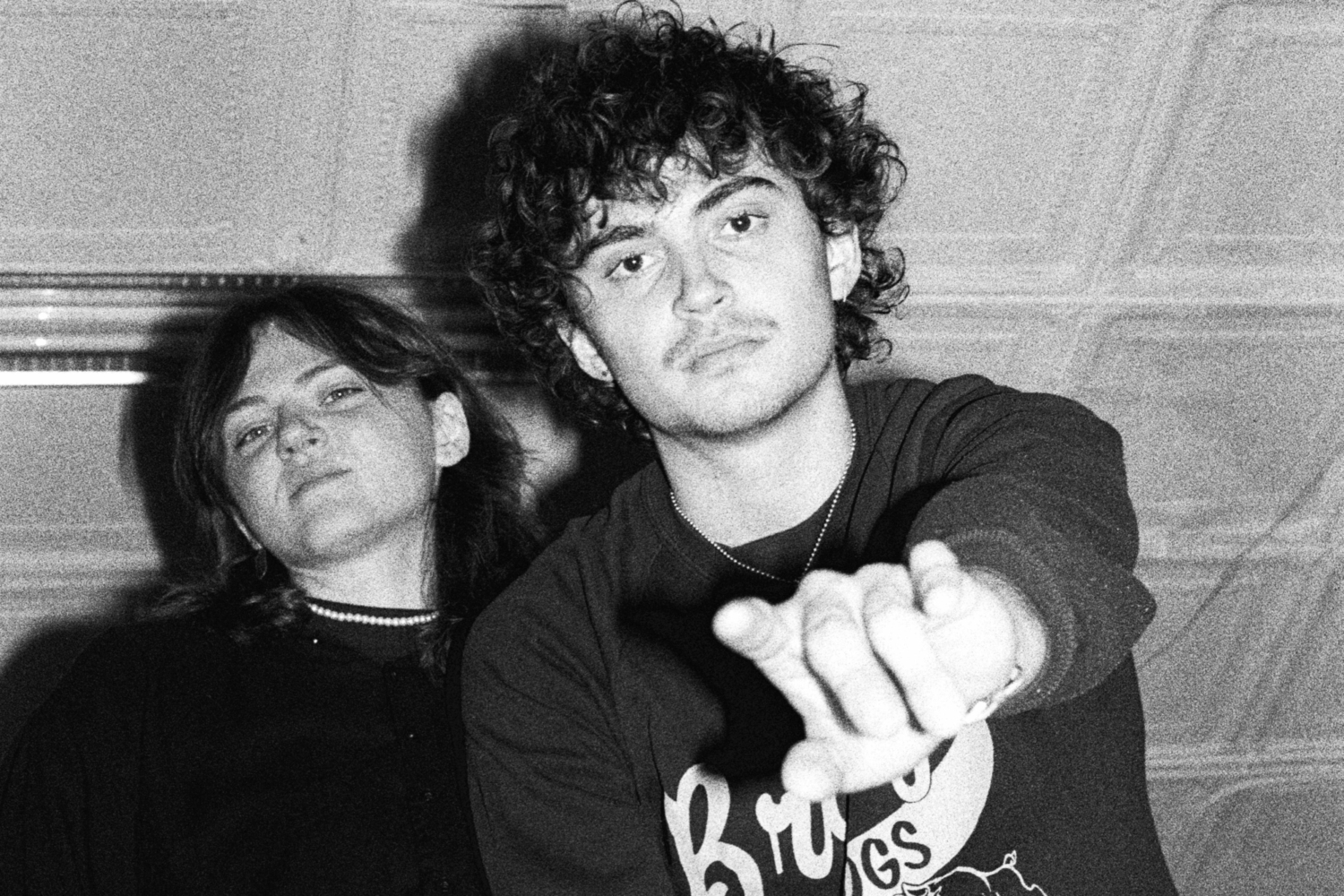
FRIKO Interview Image by Adam Powell
“My favorite lyric writers can put meaning to things that often hold no significance.“
Video
-
Guns N’ Roses Debut Nothin’ And Atlas At Tour Opening Show
Guns N’ Roses Debut Nothin’ And Atlas At Tour Opening Show
-
Turning Point USA reveals performers for its All-American Halftime Show
Turning Point USA first revealed plans for its Super Bowl Halftime Show alternative in October.
-
Rilo Kiley’s Jenny Lewis marks turning 50 with playful dog wedding
Muzzle Tov
-
Lil Uzi Vert sends Christmas gifts to fans who wrote to them
Giving back has always been part of Lil Uzi Vert’s relationship with fans, and it is still just as meaningful every time.
-
Bruce Springsteen Honors Joe Ely “We’ve Lost an American Classic”
Ely, a cornerstone of Texas music, passed away Monday at 78.
-
Diddy Reportedly Plans $1 Billion Legal Battle With Netflix Over 50 Cent’s Docuseries
According to Diddy’s representatives, the Netflix docuseries produced by 50 Cent is a “shameful hit piece,” and they argue it uses footage that was stolen from them.
-
Inside Friko’s Approach to Lyrics
For Niko Kapetan of FRIKO, the goal of music is to peel away all conscious thought. If lyrics are to serve the song, in the act of creation, they, too, transcend their literal meaning. The band's new album is based on this mystery: Why can something to si
-
Josh Groban announces engagement
-
Emily Saliers Reveals Cervical Dystonia and Essential Tremor Diagnosis
The duo posted the health update on Instagram, where support for Saliers poured in from peers and fans ahead of the Indigo Girls' tour kickoff.
-
Exclusive Interview with McKell
Exclusive Interview with McKell
-
Zayn Malik shares hospital update on the day of his album release
Malik said he was "heartbroken" he wasn't able to meet fans the week of his album launch
-
RAYE Stands by Promise to Wait for Love Before Next Album
-
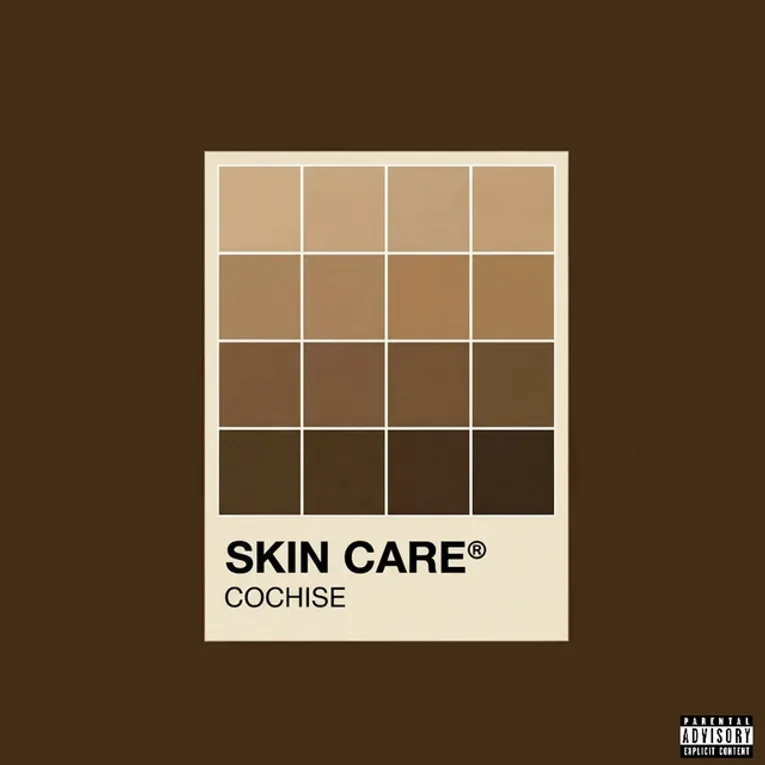
Cochise Brings a Fresh Sound on “Skin Care”
Cochise has fans demanding a new album soon, but at least he will hold them over for now with the new single "SKIN CARE."
-
Rocket Rese Drops Heavy New Collaboration "BAPTIZED" With SosMula
Rocket Rese shared his first project of his career this year and it doesn't look like he's going to slow down for the rest of 2026.
-
BOAT REMIX – Song by Trim & Pooh Shiesty
Trim's "BOAT" gained a lot of motion last year, and now we have a 2026 remix with none other than Pooh Shiesty.
-
Everybody Ain't Gone Get You - Song by JasonMartin
Jason Martin and DJ Flippp are gearing up for their new project "Quik Flip," and their new single "Everybody Ain't Gone Get You" is here.
-
SZA Releases “Save The Day” (From “Hoppers”)
-
Benny The Butcher links up with Grafh for “Squeeze First”
Benny The Butcher links up with fellow New York rapper Grafh on the new single “Squeeze First.”
-
Dead Kennedys Guitarist Claims Jello Biafra Is Holding Back Potential Reunion
"It's not an issue for me or Klaus," founding Dead Kennedys guitarist East Bay Ray explains.
-
LE SSERAFIM announce 2025 ‘Easy Crazy Hot’ world tour
Featuring concerts in Asia, North America and more
-
Mischa Barton reveals she’s a huge Oasis fan: “They’re the coolest”
“What kind of self-respecting Brit would I be if I wasn’t?”
-
Eem Triplin drops “Duya” single ahead of upcoming album
Eem Triplin, once known for crafting type-beat internet productions, has smoothly transitioned into a full-fledged artist in his own right.
-
Kiana Ledé On Being Indie, ‘Cut Ties,’ And Singlehandedly Extending Spooky Season
The singer detailed how she intertwined love and horror for 'V Sessions.'
-
Royal Deb displays her Jamaican roots new reggae single “Somebody For Everybody”
Since Royal Deb was just a child in St. Ann, Jamaica, she has been immersed in the reggae music scene.

COMMENTS
Leave a comment