

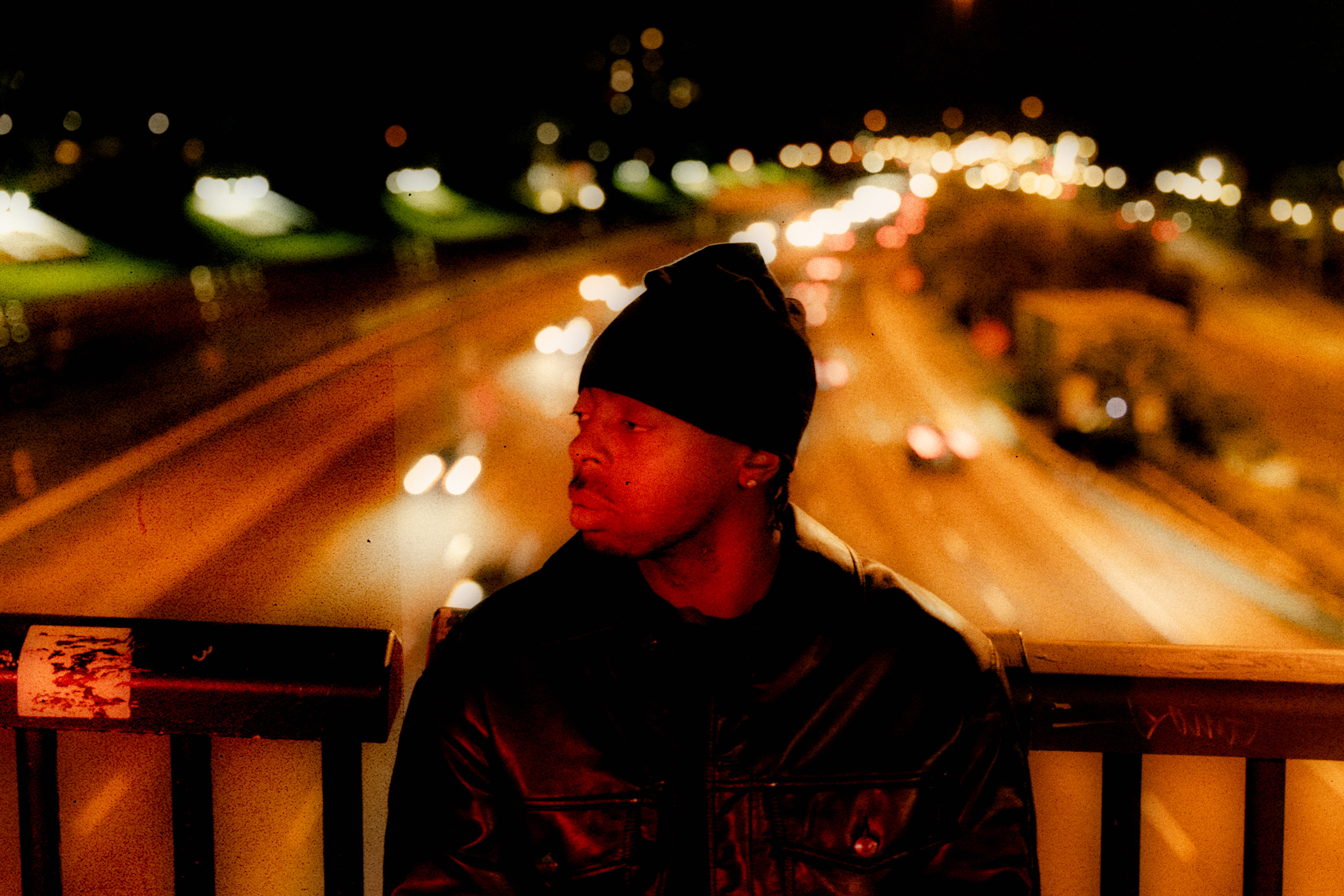





Ashley MacIsaac is suing Google for $1.5million after alleging that the company’s AI Overview feature falsely identified him as a sex offender.
The award winning Canadian musician filed the lawsuit with the Ontario Superior Court of Justice, arguing that Google is responsible for defamatory information generated by its AI powered search summaries.
According to the claim, Google’s AI Overview incorrectly stated that MacIsaac had been convicted of several serious crimes, including sexual assault, luring a child online for sexual purposes, and assault causing bodily harm. The AI generated summary also allegedly claimed that he had been placed on Canada’s national sex offender registry.
MacIsaac says he first became aware of the false information after Sipekne’katik First Nation informed him that a scheduled performance on December 19, 2025 had been cancelled following complaints from members of the public referencing the AI generated claims.
The musician is now seeking $500,000 in general damages, $500,000 in aggravated damages and an additional $500,000 in punitive damages.
Sipekne’katik First Nation later issued a public apology to MacIsaac for cancelling the concert, acknowledging that the decision had been based on false information created through an AI assisted search result.
The organisation admitted that the information had “mistakenly associated you with offences unrelated to you” and said they “deeply regret the harm this caused to your reputation and livelihood”.
According to the lawsuit, MacIsaac argues that Google should be held legally responsible for the design and operation of the AI Overview feature.
“As the creator and operator of the AI overview, Google is also liable for injuries and losses arising from the AI overview’s defective design,” the filing states. “Google knew, or ought to have known, that the AI overview was imperfect and could return information that was untrue”.
The lawsuit also alleges that Google has not personally contacted MacIsaac or issued an apology directly to him since the incident.
“Google’s cavalier and indifferent response to its publication of utterly false statements claiming that MacIsaac committed serious sexual offences, including offences involving children, justifies the award of aggravated and/or punitive damages,” the legal filing reads.
The complaint further argues that the company should not avoid accountability simply because the statements were generated by artificial intelligence rather than a human spokesperson.
“If a human spokesperson made these false allegations on Google’s behalf, a significant award of punitive damages would be warranted. Google should not have lesser liability because the defamatory statements were published by software that Google created and controls.”
Speaking to Canadian Press, Ashley MacIsaac said the situation left him fearing for his safety while performing live.
“I feared for my own safety going on stage because of what I was labelled as,” he said, adding that he remains concerned about how long the false allegations may continue to follow him.
Through his lawyers, he also told The Guardian that he felt compelled “to speak out to the media to clear my name and bring attention to the issue”.
“I believe this is a serious issue that needs to be resolved in the courts,” he added. “I do not want to do or say anything that may hinder the lawsuit’s progress, or distract attention from this issue.”
Google has not publicly responded to the lawsuit so far. However, the company previously released a statement in December explaining that “AI Overviews frequently improve to show the most helpful information,” while also noting that it continues to invest heavily in improving the quality of its AI generated responses.
“When issues arise – like if our features misinterpret web content or miss some context – we use those examples to improve our systems and may take action under our policies,” the statement added.
Google’s AI Overview for MacIsaac has since reportedly been updated and now reflects the legal action currently being taken against the company.

-
Red Hot Chili Peppers Land Over $300 Million From Catalog Sale
Warner Music Group, the band's home since 1991's Blood Sugar Sex Magik, acquires the Peppers' catalog as part of Bain Capital joint venture
-
Guns N’ Roses Debut Nothin’ And Atlas At Tour Opening Show
Guns N’ Roses Debut Nothin’ And Atlas At Tour Opening Show
-
Turning Point USA reveals performers for its All-American Halftime Show
Turning Point USA first revealed plans for its Super Bowl Halftime Show alternative in October.
-
Rilo Kiley’s Jenny Lewis marks turning 50 with playful dog wedding
Muzzle Tov
-
Lil Uzi Vert sends Christmas gifts to fans who wrote to them
Giving back has always been part of Lil Uzi Vert’s relationship with fans, and it is still just as meaningful every time.
-
Bruce Springsteen Honors Joe Ely “We’ve Lost an American Classic”
Ely, a cornerstone of Texas music, passed away Monday at 78.
-
Eric Church Performs ‘Carolina’ During UNC-Chapel Hill Graduation Speech
Church shared words with the class of 2026 the best way he knows how -- with his guitar.
-
Amy Grant Opens Up About Returning With ‘The Me That Remains’
The multiple Grammy winner created her new album with help from Vince Gill, Mac McAnally, Ruby Amanfu and others.
-
Kanye West Testifies In Ongoing Copyright Case
-
Hèlo Moondi Explores New Directions In Electronic Music
“I don’t think you can ever force someone into a deep listening state. It remains a shared responsibility: the artist opens a space, and the listener chooses how deeply they want to enter it.”
-
Musician Files Lawsuit After Google AI Overview Incorrectly Labels Him A Sex Offender
He says the false claims have left him “fearing for my own safety going on stage”
-
M.I.A. Responds To Kid Cudi Following Removal From Rebel Ragers Tour
M.I.A. was officially kicked off Kid Cudi's Rebel Ragers Tour, and now, she is offering up her side of the story.
-
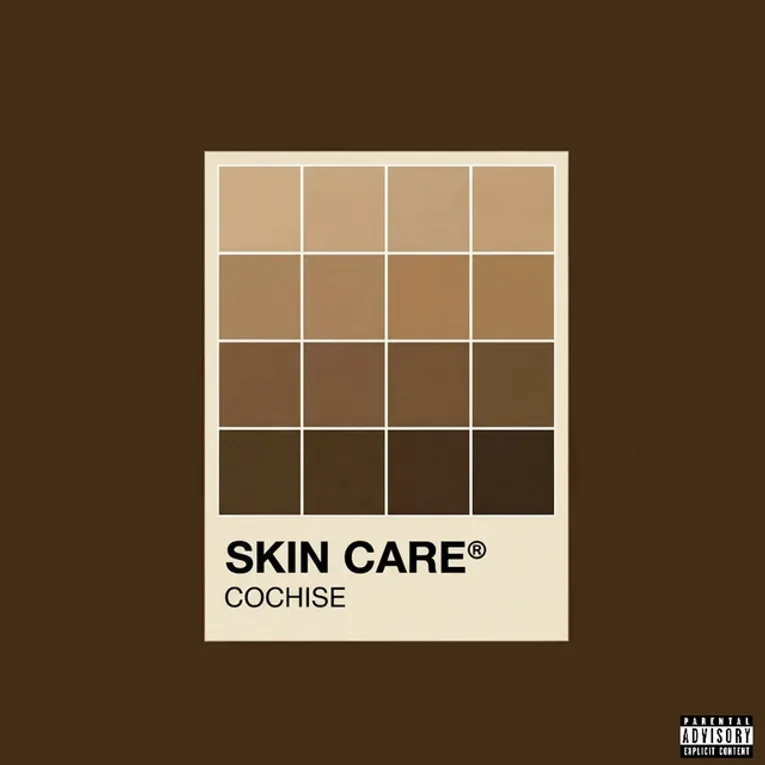
Cochise Brings a Fresh Sound on “Skin Care”
Cochise has fans demanding a new album soon, but at least he will hold them over for now with the new single "SKIN CARE."
-
Rocket Rese Drops Heavy New Collaboration "BAPTIZED" With SosMula
Rocket Rese shared his first project of his career this year and it doesn't look like he's going to slow down for the rest of 2026.
-
BOAT REMIX – Song by Trim & Pooh Shiesty
Trim's "BOAT" gained a lot of motion last year, and now we have a 2026 remix with none other than Pooh Shiesty.
-
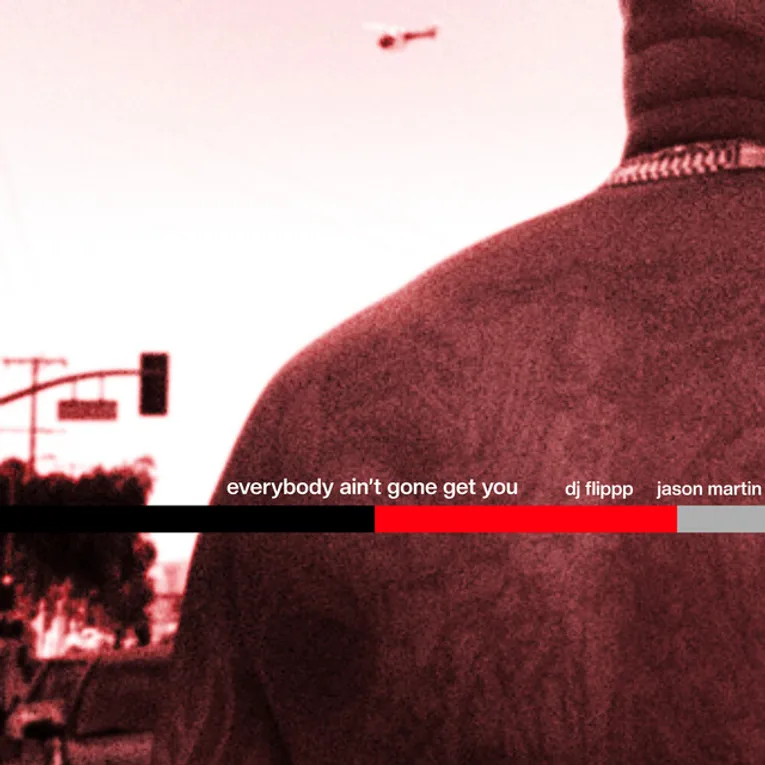
Everybody Ain't Gone Get You - Song by JasonMartin
Jason Martin and DJ Flippp are gearing up for their new project "Quik Flip," and their new single "Everybody Ain't Gone Get You" is here.
-
SZA Releases “Save The Day” (From “Hoppers”)
-
Benny The Butcher links up with Grafh for “Squeeze First”
Benny The Butcher links up with fellow New York rapper Grafh on the new single “Squeeze First.”
-
Dead Kennedys Guitarist Claims Jello Biafra Is Holding Back Potential Reunion
"It's not an issue for me or Klaus," founding Dead Kennedys guitarist East Bay Ray explains.
-
LE SSERAFIM announce 2025 ‘Easy Crazy Hot’ world tour
Featuring concerts in Asia, North America and more
-
Mischa Barton reveals she’s a huge Oasis fan: “They’re the coolest”
“What kind of self-respecting Brit would I be if I wasn’t?”
-
Eem Triplin drops “Duya” single ahead of upcoming album
Eem Triplin, once known for crafting type-beat internet productions, has smoothly transitioned into a full-fledged artist in his own right.
-
Kiana Ledé On Being Indie, ‘Cut Ties,’ And Singlehandedly Extending Spooky Season
The singer detailed how she intertwined love and horror for 'V Sessions.'
-
Royal Deb displays her Jamaican roots new reggae single “Somebody For Everybody”
Since Royal Deb was just a child in St. Ann, Jamaica, she has been immersed in the reggae music scene.

COMMENTS
Leave a comment