

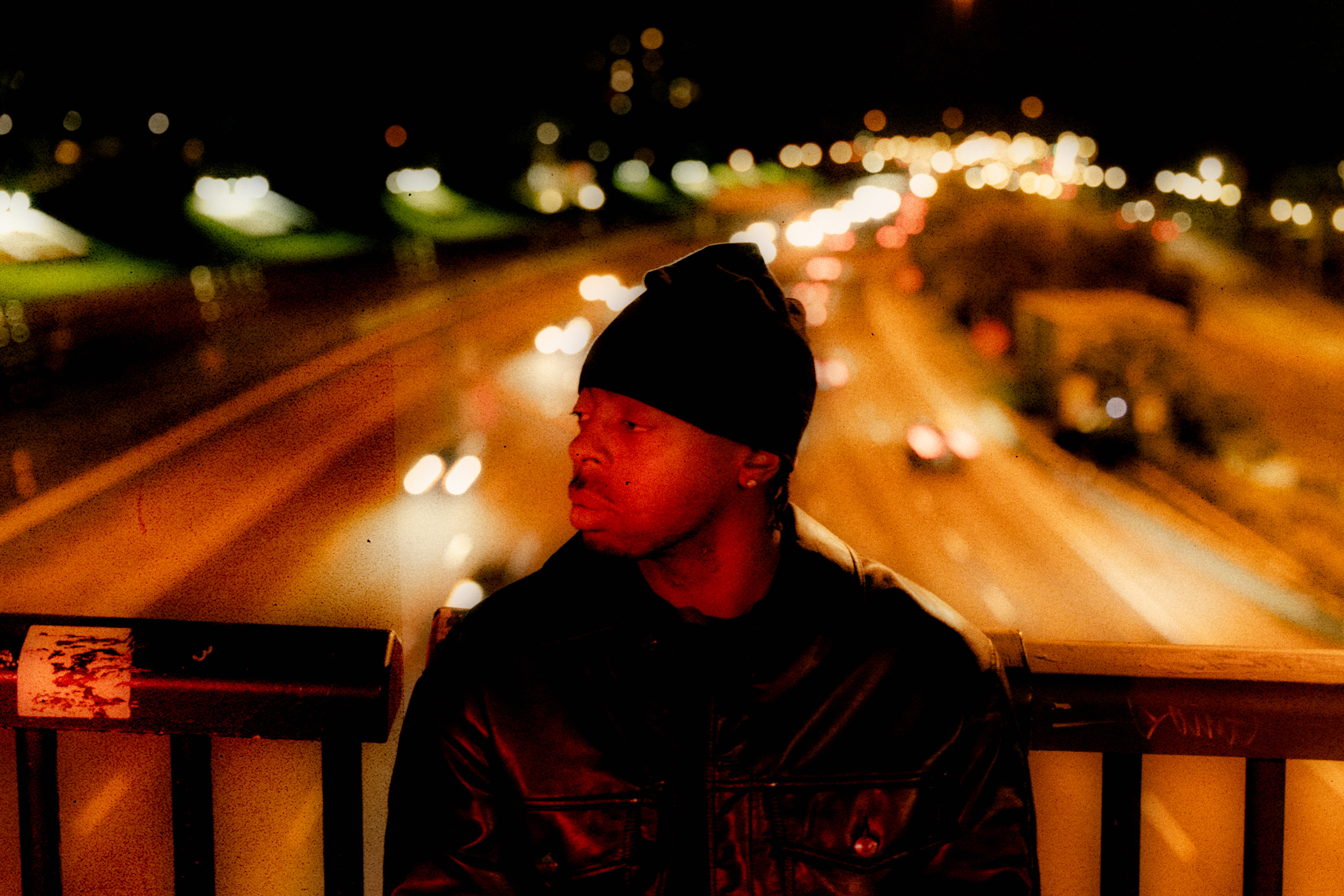




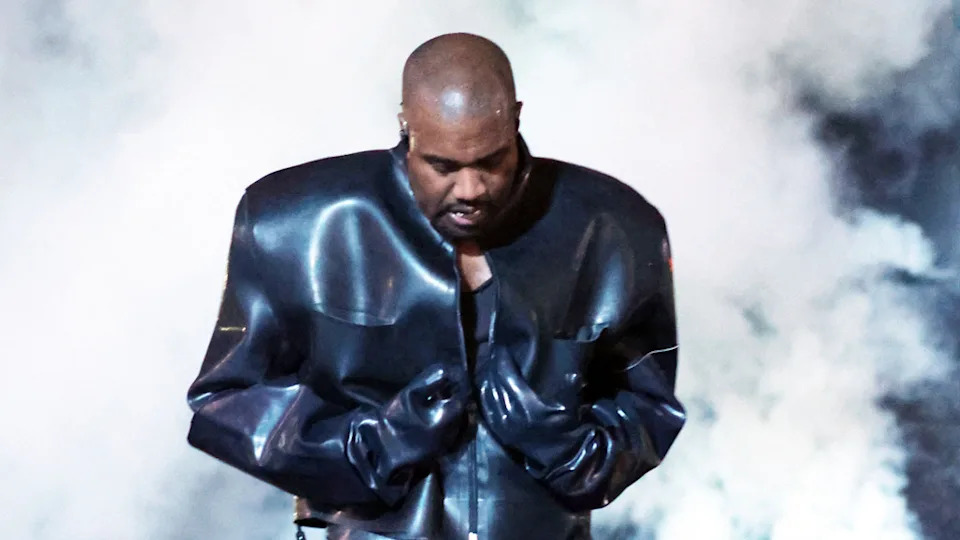
Kanye West has officially lost a copyright trial connected to an uncleared sample used during an early performance of his song Hurricane.
The decision came after West, who also goes by Ye, testified in court that he knowingly removed the sample from the track after the listening event because he did not have permission to use it legally.
On Tuesday afternoon, a jury of eight unanimously ruled that Ye infringed on the copyright of an unreleased demo by using part of it in an early version of Hurricane, which was played in front of 40,000 fans during a sold out event five years ago.
The court ordered West personally to pay $176,153 (£130,137), while several of his associated companies were found liable for an additional $262,045 (£193,592).
Artists Revenue Advocates manager Britton Monts, whose company filed the lawsuit on behalf of the four musicians behind the original sample, described the outcome as an important moment for smaller artists.
Speaking to Rolling Stone, Monts said: "It's a victory for working artists, who typically lack the resources to go against someone like Ye, a megastar and celebrity.
"The underdogs got their day in court.”
A spokesperson for Yeezy pushed back against the ruling and framed the result differently, saying: "This is a failed shakedown. Six months ago, they wanted $30 million (£22 million).
"The moral of the story? There is a cost attached to thinking you can take advantage of Ye.”
During the six day trial, lawyers representing ARA argued that West generated approximately $5.6 million (£4.14 million) through ticket sales from the July 2021 listening event in Atlanta, along with merchandise revenue and a streaming agreement with Apple Music.
The final version of Hurricane, which featured The Weeknd and Lil Baby, later won the Grammy Awards award for Best Melodic Rap Performance.
The lawsuit adds to a long list of copyright disputes West has faced throughout his career over allegations of unauthorized sampling. However, this marked the first time one of those cases actually went to trial.

-
Red Hot Chili Peppers Land Over $300 Million From Catalog Sale
Warner Music Group, the band's home since 1991's Blood Sugar Sex Magik, acquires the Peppers' catalog as part of Bain Capital joint venture
-
Guns N’ Roses Debut Nothin’ And Atlas At Tour Opening Show
Guns N’ Roses Debut Nothin’ And Atlas At Tour Opening Show
-
Turning Point USA reveals performers for its All-American Halftime Show
Turning Point USA first revealed plans for its Super Bowl Halftime Show alternative in October.
-
Rilo Kiley’s Jenny Lewis marks turning 50 with playful dog wedding
Muzzle Tov
-
Lil Uzi Vert sends Christmas gifts to fans who wrote to them
Giving back has always been part of Lil Uzi Vert’s relationship with fans, and it is still just as meaningful every time.
-
Bruce Springsteen Honors Joe Ely “We’ve Lost an American Classic”
Ely, a cornerstone of Texas music, passed away Monday at 78.
-
Kanye West Defeated In Legal Battle Over ‘Hurricane’ Sample Use
-
Eric Church Performs ‘Carolina’ During UNC-Chapel Hill Graduation Speech
Church shared words with the class of 2026 the best way he knows how -- with his guitar.
-
Amy Grant Opens Up About Returning With ‘The Me That Remains’
The multiple Grammy winner created her new album with help from Vince Gill, Mac McAnally, Ruby Amanfu and others.
-
Kanye West Testifies In Ongoing Copyright Case
-
Hèlo Moondi Explores New Directions In Electronic Music
“I don’t think you can ever force someone into a deep listening state. It remains a shared responsibility: the artist opens a space, and the listener chooses how deeply they want to enter it.”
-
Musician Files Lawsuit After Google AI Overview Incorrectly Labels Him A Sex Offender
He says the false claims have left him “fearing for my own safety going on stage”
-
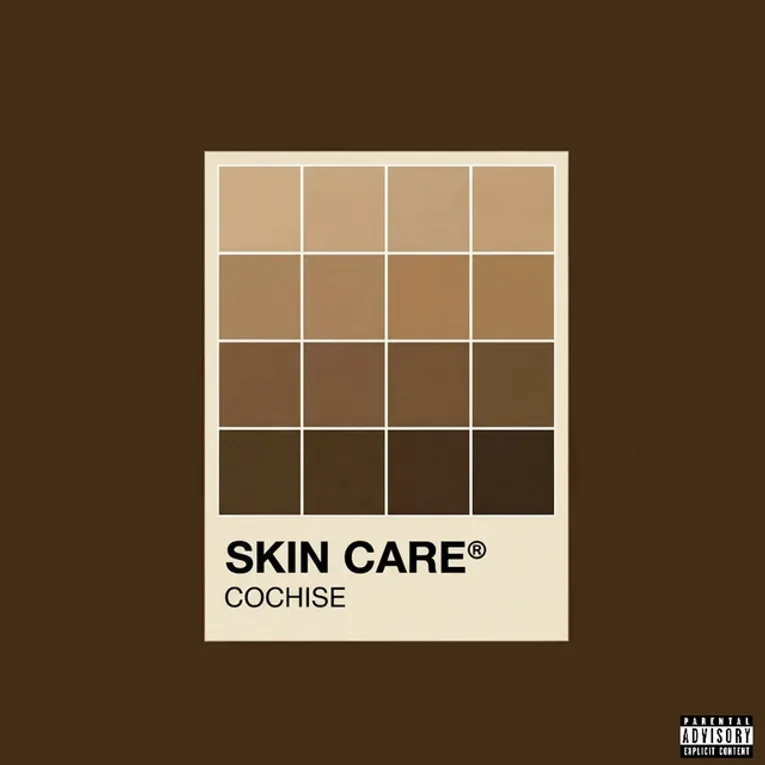
Cochise Brings a Fresh Sound on “Skin Care”
Cochise has fans demanding a new album soon, but at least he will hold them over for now with the new single "SKIN CARE."
-
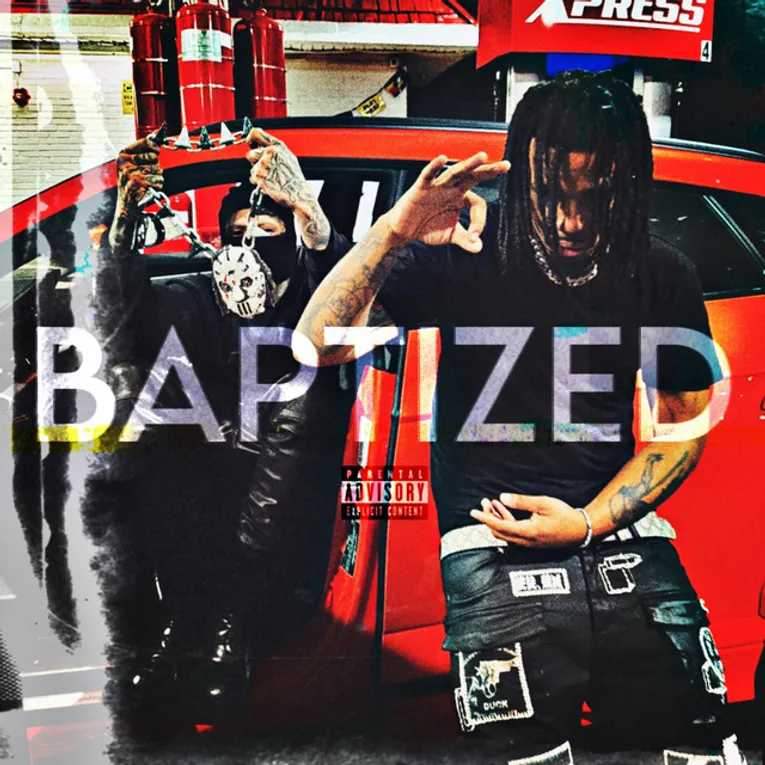
Rocket Rese Drops Heavy New Collaboration "BAPTIZED" With SosMula
Rocket Rese shared his first project of his career this year and it doesn't look like he's going to slow down for the rest of 2026.
-
BOAT REMIX – Song by Trim & Pooh Shiesty
Trim's "BOAT" gained a lot of motion last year, and now we have a 2026 remix with none other than Pooh Shiesty.
-
Everybody Ain't Gone Get You - Song by JasonMartin
Jason Martin and DJ Flippp are gearing up for their new project "Quik Flip," and their new single "Everybody Ain't Gone Get You" is here.
-
SZA Releases “Save The Day” (From “Hoppers”)
-
Benny The Butcher links up with Grafh for “Squeeze First”
Benny The Butcher links up with fellow New York rapper Grafh on the new single “Squeeze First.”
-
Dead Kennedys Guitarist Claims Jello Biafra Is Holding Back Potential Reunion
"It's not an issue for me or Klaus," founding Dead Kennedys guitarist East Bay Ray explains.
-
LE SSERAFIM announce 2025 ‘Easy Crazy Hot’ world tour
Featuring concerts in Asia, North America and more
-
Mischa Barton reveals she’s a huge Oasis fan: “They’re the coolest”
“What kind of self-respecting Brit would I be if I wasn’t?”
-
Eem Triplin drops “Duya” single ahead of upcoming album
Eem Triplin, once known for crafting type-beat internet productions, has smoothly transitioned into a full-fledged artist in his own right.
-
Kiana Ledé On Being Indie, ‘Cut Ties,’ And Singlehandedly Extending Spooky Season
The singer detailed how she intertwined love and horror for 'V Sessions.'
-
Royal Deb displays her Jamaican roots new reggae single “Somebody For Everybody”
Since Royal Deb was just a child in St. Ann, Jamaica, she has been immersed in the reggae music scene.

COMMENTS
Leave a comment