




.jpg)
When it comes to music, there's a difference between hearing it, listening to it and feeling it. For the new album from producer, film scorer and songwriter SIXFOOT 5 titled BODY EROTICA, there’s some contrasting reactions he wants people to feel with it: disturbed or energized. For him, the music is made for more than just hearing and listening, it’s made for experiencing.
BODY EROTICA is built to evoke the feelings of being in the club at night with a surprising final track that concludes the narrative of the album. While genre labels are being phased out more and more these days, SIXFOOT 5’s BODY EROTICA is electronic music with pop techniques but in his words, “incidental music” is a more fitting classification.
“When you hear the music in a thriller film, the musical memory in your brain can get the same feeling from other music. By combining that with electronic music, you get incidental music that creates a whole world within the song.” he said.
SIXFOOT 5, real name Carson Rammelt, built the album on what he calls “cinematic soundscapes.” With his background in film scoring and a love for film, it was only right to translate aspects from both of those worlds into the album.
“Once I was exposed to film scores, I fell in love with it and that exposed me to different genres of films. As time went on, I was actually given the opportunity to score three films myself.” he said.
The seven track album was born from the sounds, emotions and experiences of the New York nightlife scene but was created states away in Florida. After coming out of a creative funk, Carson crafted something that represented home for him that came to him when he needed it most.
“I was house sitting for a friend in January of this year after my 2024 ended not so well. I was feeling lost, aimless and just frustrated. Being in that peaceful environment of stillness awoke my creativity.” he said.
Carson continued by reflecting on how things in life can go in seemingly opposite directions at the exact same time.
“During this time I also was thinking about March 2020 when my horoscope said ‘You never know what’s going to happen. You never know when inspiration will strike.’ During that time, things weren’t in the best place for me. Then, just after that, I collaborated with an artist and our song went relatively viral - then COVID happened.” he said.
This reflection led to something positive which was the spark he needed to put himself in a place where he could find what he was looking for.
“Fast forward to January 2025, I’m still thinking about that horoscope. I found myself in the same place mentally so I just got in front of the keyboard and then it was like I opened a portal. And once I started, I just couldn't stop. I didn’t know where it was going - but I knew what I was doing. The ideas just kept flowing out of me as I got more and more ideas for different songs.” he said.
With the title BODY EROTICA, the sexual energy of the album is at the forefront but it’s done through a creative and immersive lens. Various production elements like pulses, kick drums, droning sounds, dark melodies, distortion and even some original sounds from Carson’s own mouth all came together to paint auditory pictures. These pictures include scenes of lights glowing in a dark room, sweaty bodies dancing and people making decisions they might regret in the morning.
“When I make music, I want to paint pictures. I want the listener to have a multi-medium experience. It’s not just something they listen to - it’s a world to get immersed in. When I start working on music, I see my software as a blank canvas. And as I’m adding more musical elements, I’m painting the picture I see in my mind. It all comes from my third eye and my imagination.” he said.
While the first six tracks of BODY EROTICA are a unified sensory experience of a dark underworld, the final track, “Kontakt,” offers a direct contrast to it all. It serves as a moment of release for the listener, an exhale after the intense sonic palettes they just experienced.
“The entire album is a journey and at the end you reach a moment of euphoria. The melodies and chords are all at the forefront once you reach the final song.” he said.
Creating a multi-medium experience is something SIXFOOT 5 brought to life with the album release party for BODY EROTICA. In a room full of projectors, lights and visualizers, he created the experience the music was supposed to evoke even without those enhancements. The album listening party was designed to push people into the realm where they could just let the music be absorbed and respond to it accordingly.
“I utilized the cinematic soundscapes to enhance whatever emotional response people had to the music. Whether it was mental, physical or a combination of both, I just wanted them to act on it as they were hearing the music and seeing everything happening around them.” he said
BODY EROTICA is an album that serves as a homage to Carson’s past experiences in the nightlife club scene but there's one key difference between where he was then and where he is now: sobriety. While speaking with him, he shared that he couldn’t have made this album if he hadn’t gone sober.
“When I was in the clubs before my sobriety, I partook and indulged in multiple different things. I was still making music throughout all that. But as I was getting older, I realized I just didn’t want to keep going on like that. Then, when I started my sobriety, I wondered if I would be able to still be inspired musically.” he said.
Carson’s sobriety turned out to be one of the best decisions he ever made. The choice to go down this path worked out for him in multiple ways.
“I actually got a large-scale job opportunity to score a feature length film that I wouldn’t have been able to handle without my sobriety. For this album, when the inspiration struck me, the ideas just kept pouring out of me over the course of six days and I realized I didn’t need to be under the influence to be inspired. Inspiration will come when it’s supposed to.” he said.
Carson also spoke on how sobriety has reshaped how he experiences music and the club as both an artist and attendee in the environment.
“Even when I go to clubs now, the music just sounds different to me. I remember everything I experienced and heard vividly and I can implement those elements into my music with ease. Of course, I still get inspiration from my past too but when I experience things now, I’m an observer.“ he said.
SIXFOOT 5’s love for movies and music runs through everything he does. From his actual film scoring for independent movies like Into The Bloo, Life of Riley and Lady Like to the cinematic soundscapes of BODY EROTICA, it’s clear that he showcases his love for his passions through his art. Just like a timeless movie, the music is meant to go beyond the physical senses and reach something deeper within.
BODY EROTICA is available on streaming services now.
You can experience more cinematic soundscapes with SIXFOOT 5 by following him on these platforms:
-
Ice Spice Appears on Kanye West & Ty Dolla $ign’s ‘New Body,’ New Report Says
Kanye West and Ty Dolla $ign never got to release "New Body" with Nicki Minaj's verse.
-
Angine de Poitrine Spark Another Viral Moment With Surprise Billboard Canada Awards Appearance
The mysterious duo picked up the Global Breakthrough prize at the Toronto ceremony
-
Everywhere At Once Adds Fatboy Slim, Lucy Spraggan, Gene, D Double E, And More To Massive Festival Bill
They join The Lathums, Becky Hill, Rizzle Kicks and more in a line-up that supports grassroots music venues across the country
-
Red Hot Chili Peppers Land Over $300 Million From Catalog Sale
Warner Music Group, the band's home since 1991's Blood Sugar Sex Magik, acquires the Peppers' catalog as part of Bain Capital joint venture
-
Guns N’ Roses Debut Nothin’ And Atlas At Tour Opening Show
Guns N’ Roses Debut Nothin’ And Atlas At Tour Opening Show
-
Turning Point USA reveals performers for its All-American Halftime Show
Turning Point USA first revealed plans for its Super Bowl Halftime Show alternative in October.
-
Konyikeh Lets Her True Self Shine Through Her Music
The contemporary singer has spent most of her life learning rules, but with her third EP ‘Cinere’, she’s finally allowing herself to break them
-
Dua Lipa and Callum Turner Reveal Stunning Wedding Photos in Sicily
"Mr & Mrs," the pop superstar captioned a gallery from the couple's second wedding celebration.
-
Oliver Tree’s Mother Pays Tribute After Post Malone Dedicates Toronto Show to Him
Tree died in a helicopter crash last weekend, aged 32
-
Fred Again.. Launches Free Music Production Workshops For Trans+ Artists In London
“This is an event to be celebrated for who you are and have a chance to learn from leading professionals in your field”
-
Harry Styles Calls Meltdown Festival Orchestral Set a Career Highlight
-
‘Michael’ Breaks Record as Top-Earning Music Biopic Ever
The wildly successful biopic brought in $911.9 million worldwide, besting Bohemian Rhapsody
-
“U Dig Me” Marks Another Release From Kenny Muney
Kenny Muney is a Memphis artist whose new album "U Dig Me" is coming soon, and on Wednesday, the title track was released.
-
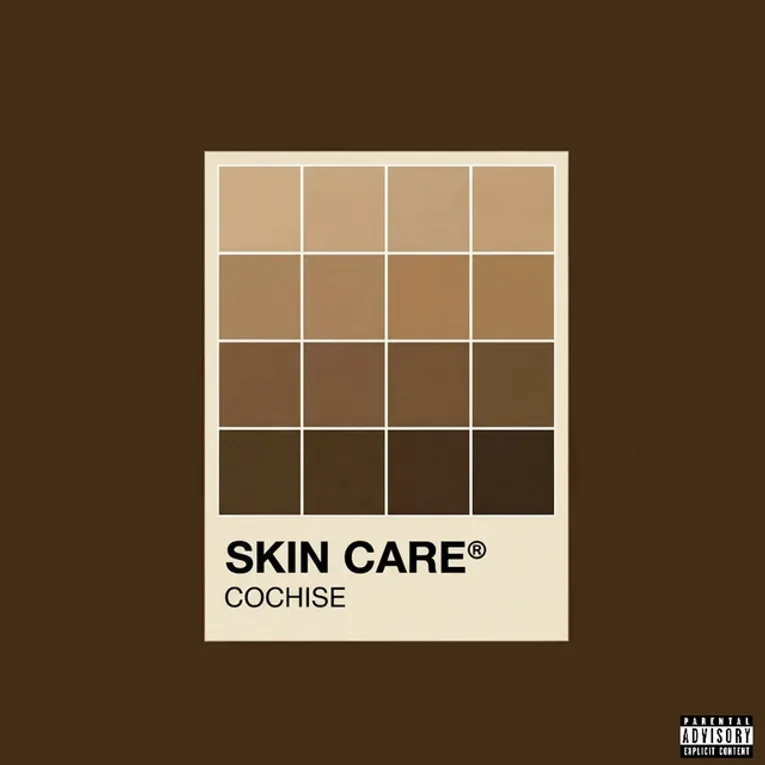
Cochise Brings a Fresh Sound on “Skin Care”
Cochise has fans demanding a new album soon, but at least he will hold them over for now with the new single "SKIN CARE."
-
Rocket Rese Drops Heavy New Collaboration "BAPTIZED" With SosMula
Rocket Rese shared his first project of his career this year and it doesn't look like he's going to slow down for the rest of 2026.
-
BOAT REMIX – Song by Trim & Pooh Shiesty
Trim's "BOAT" gained a lot of motion last year, and now we have a 2026 remix with none other than Pooh Shiesty.
-
Everybody Ain't Gone Get You - Song by JasonMartin
Jason Martin and DJ Flippp are gearing up for their new project "Quik Flip," and their new single "Everybody Ain't Gone Get You" is here.
-
SZA Releases “Save The Day” (From “Hoppers”)
-
Dead Kennedys Guitarist Claims Jello Biafra Is Holding Back Potential Reunion
"It's not an issue for me or Klaus," founding Dead Kennedys guitarist East Bay Ray explains.
-
LE SSERAFIM announce 2025 ‘Easy Crazy Hot’ world tour
Featuring concerts in Asia, North America and more
-
Mischa Barton reveals she’s a huge Oasis fan: “They’re the coolest”
“What kind of self-respecting Brit would I be if I wasn’t?”
-
Eem Triplin drops “Duya” single ahead of upcoming album
Eem Triplin, once known for crafting type-beat internet productions, has smoothly transitioned into a full-fledged artist in his own right.
-
Kiana Ledé On Being Indie, ‘Cut Ties,’ And Singlehandedly Extending Spooky Season
The singer detailed how she intertwined love and horror for 'V Sessions.'
-
Royal Deb displays her Jamaican roots new reggae single “Somebody For Everybody”
Since Royal Deb was just a child in St. Ann, Jamaica, she has been immersed in the reggae music scene.




COMMENTS
Leave a comment