
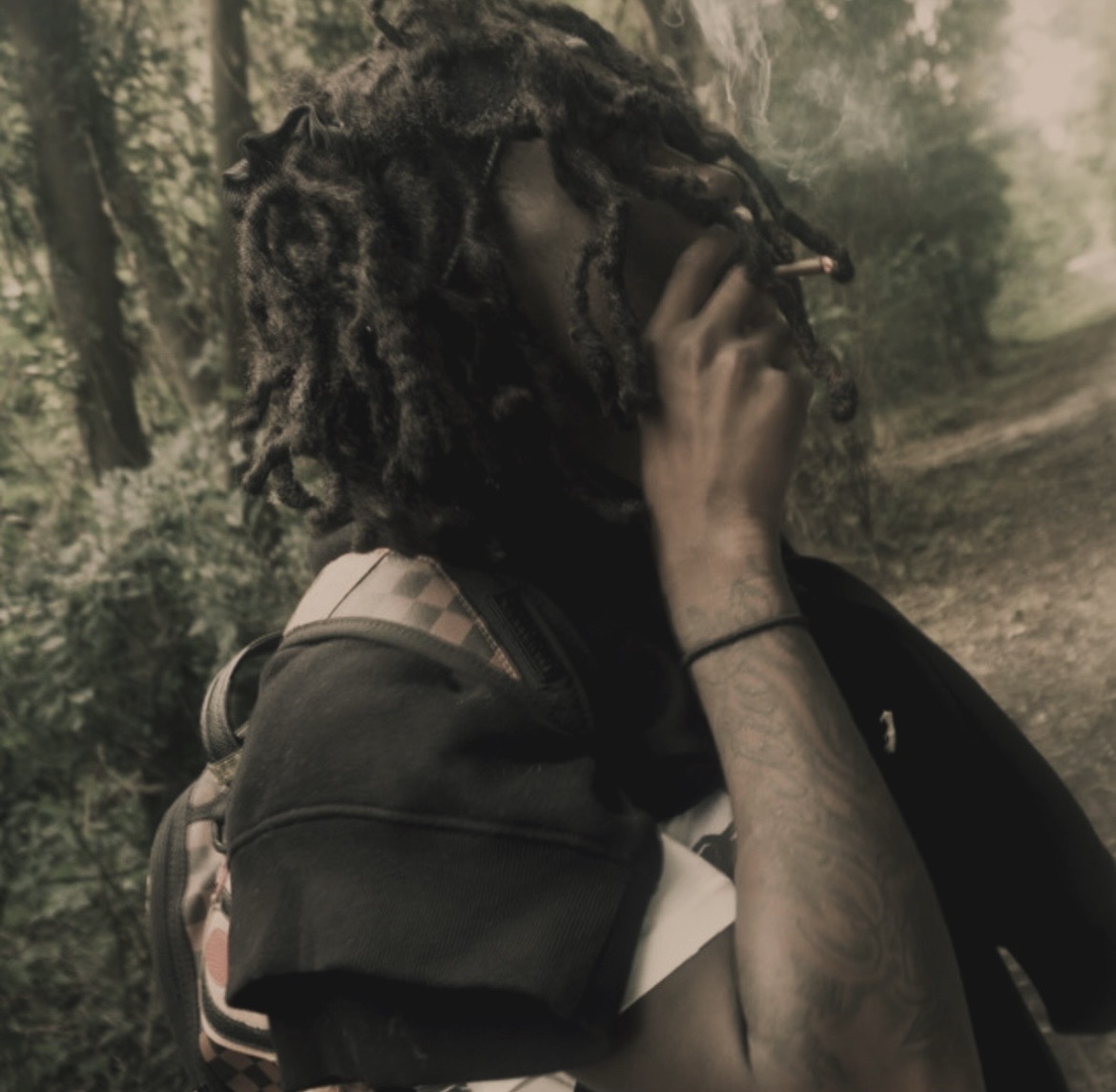
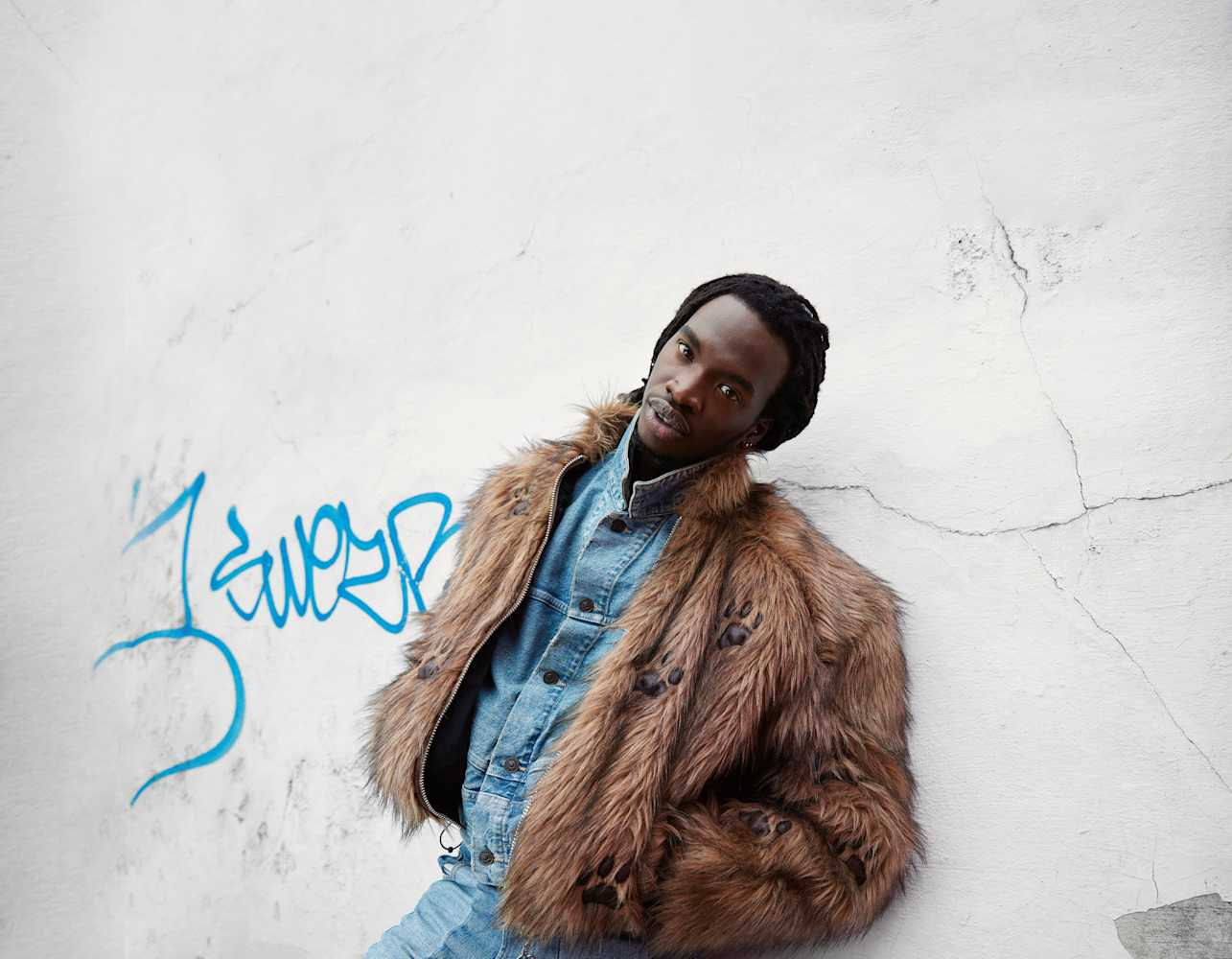

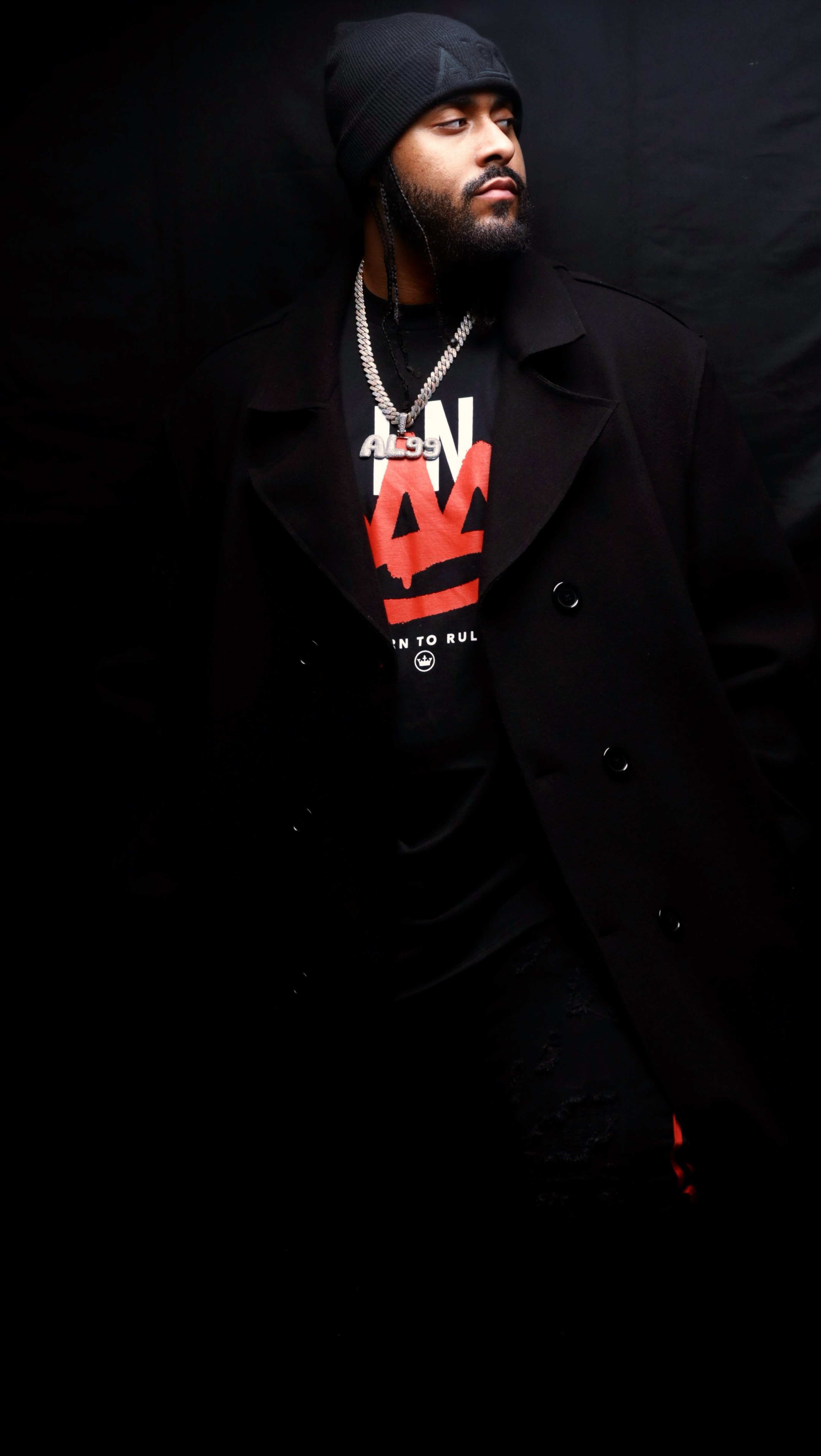
The amount of musical knowledge that AL99 has obtained in his 25 years on Earth is more than most people can hope for in a lifetime. The DMV-based rapper has been putting his work in, and now he is blasting onto the scene with his new single “Pop” where he’s not holding back or pulling punches.
“It’s a Chicago style/trap song,” AL99 says. “It has infectious lyrics and bars, is fast, energetic and catchy, and tells a nice street story that is both authentic to Al’s experiences, and relatable for anyone who has experienced street life.”
“Pop” was originally written in 2023 but when he was writing it, he was just in the process of getting outside more in the underground. He was starting to do bigger shows, as he was a frequent performer at Brooklyn Music Kitchen, and seeing more and more that was inspiring him to write.
AL99 went into making “Pop” with the idea that he was going all out. He is staking his claim to tell the world that it is his time after grinding away in the studio and in front of audiences across the country.
“I came up in the underground circles and there is a lot of stuff that happens there where you sit back and say, ‘well I’ve been working really hard,’” he says. “I make the beats. I write the songs. I record it myself and I mix and master.”
“Pop” starts with a simple trap beat with a lot of speed, and it helped form his flow that he has pouring out of him on the track. He admits it isn’t something he can even pinpoint, and that this is unique to “Pop.”
“When I was writing it there was definitely not a thought process for the flow,” AL99 says. “I was thinking that I had to get my message out in a very powerful way. I wanted to make these lyrics punchy.”
He adds, “I sat down and made the beat with the intention of writing that song. I have 1,000 beats on my laptop and sometimes I can just pick a beat, but with this one I wanted this beat, with a specific cadence, and specific lyrics.’
Another element of the release of “Pop” is the music video, which shows him busting out lyrics on the mic, partying in studio before ripping out the energetic flow, reflecting on the sites around him. He’s seen hitting spots like the downtown Brooklyn Pier and the Biggie Mural.
“I can be very comfortable and serene alone, or I can turn up if it’s my thing,” AL99 says. “If they’re people I love and trust, I’m more willing to let my guard down and have fun. It kind of tells the story that I’m a popular loner, which is definitely authentic to how I operate in real life.”
AL99 has always had an eclectic set of interests and hobbies. He was on top of his game academically, had big interests in engineering and all STEM fields, played multiple sports, and started playing guitar at the age of six. He made his first beat before the age of 10 and started writing raps, but he never really thought he would take music into a professional career. But it is also something that is simply in his blood.
AL99’s grandfather Herbert “Tubo” Rhoad was one of the original five singers/members of the Persuasions, a legendary acapella group from Brooklyn that toured with the likes of Joni Mitchell, and are forever enshrined in the Acapella Hall of Fame.
Having grown up as the child of a major professional touring artist, AL99’s mother was wary at first of supporting any of her children choosing to follow her in her father’s footsteps. But as AL99 got older, he knew it was something he had to pursue. His mom agreed with one condition: to learn the business of to ensure that he would learn how to own copyrights, masters, name, and production/publishing rights.
His musical background and taste works directly into his style, whether he is recording or playing in front of a crowd. With influences including Eddie Van Halen and Jimi Hendrix on guitar, the performance ability of Michael Jackson, and rappers like Kendrick Lamar, AL99 feels just as comfortable with a guitar in his hands as he does with a microphone. After spending the last six years honing his craft on the mic and strings, he feels confident now to let it rip anywhere at any time.
“There are so many ideas that pop into my mind now, and I also feel that it’s just the experience of life that has allowed me to find inspiration at the drop of a dime,” he says.
AL99 has earned degrees in Audio Production and Music Business, and he also draws inspiration on his production side from studying icons like Quincy Jones, Darkchild, and Dr. Dre.
As mentioned before, not only does he own his own label in TPC Music Production, LLC., but he also recently signed a distribution deal with Universal Music Group/Bungalo, furthering his musical journey and giving him more visibility to a wider audience.
While he has been at it for six years now, the world has just seen the beginning, as AL99 has plans to release a new single every two months. He has more than 100 songs completely written, and some recorded, showing that he has plenty on the horizon.
What’s in store is in accordance with one of AL99’s personas “Versatile AL,” in that the songs and future projects he will release will be eclectic, genre bending/defying, and unique to his own crafted style. He’s been formulating this style by taking a bit of inspiration from studying some of the greatest artists and musicians of all time.
His next expected single titled “Superduper” will touch on that versatility showcasing a much slower tempo melodic trap/sing rap style track and will show some of what AL99 can do vocally and lyrically. It is set to be released within the next two months.
As Al stated, “One of my brothers out in DC actually coined me ‘Versatile Al,’ and the reason why that’s so fitting is that not only in my music I’m versatile, in my life I’m versatile. There are so many songs in the vault, man. I’m just excited to see it unfold.
Follow the musical journey of AL99 and check out his new single “Pop” available on all platforms.
-
Freddie Jackson Passes Away Just Days After Turning 70
-
Fans React To Glastonbury 2027 Coach Packages Selling Out Within 30 Minutes
“Why do I do this to myself every year?”
-
Watch Mike D, Money Mark and Mix Master Mike Perform Together in Los Angeles
The trio reunited for a rendition of 1992 single 'So What'cha Want'
-
Olivia Rodrigo’s Daisy Chain Fields Festival Raises $20 Million
-
Trivium and In Flames Reveal Dates for Major 2027 UK and European Tour
The tour includes a slot at Alexandra Palace next spring
-
Ice Spice Appears on Kanye West & Ty Dolla $ign’s ‘New Body,’ New Report Says
Kanye West and Ty Dolla $ign never got to release "New Body" with Nicki Minaj's verse.
-
Another Person Reportedly Linked to Death of Teen Found in D4vd’s Car
-
Warner Music Takes Legal Action Against Ray-Ban Over Unlicensed Music
-
The Slow Country’s Warm Alt-Folk Promises A Good Time
-
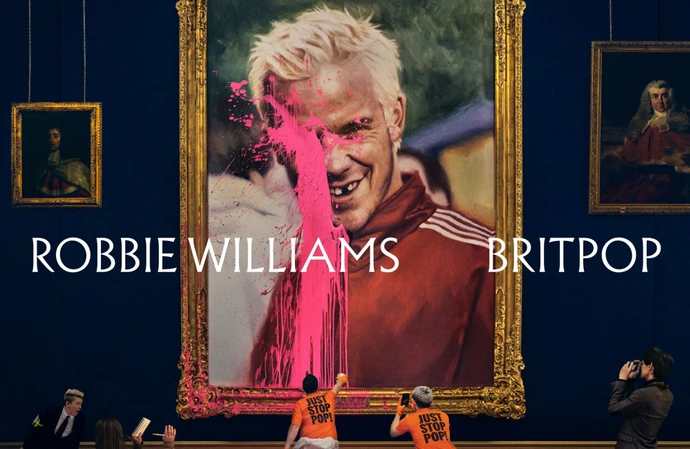
Robbie Williams Chosen As Album Icon For National Album Day 2026
-
blockboydoo's "mollysantana (willubemine)" Is a Self-Made R&B Breakout
That tension between the swagger of the title and the tenderness of its subject is the heartbeat of blockboydoo's music.
-
Oasis’ Live ’27 Tour Could Add More Support Acts, Says Liam Gallagher
-
D-Block Europe Teams Up With French Montana for ‘Fully Loaded’
"Fully Loaded" by D-Block Europe and French Montana is a brief cut, but traded verses between these MCs make it feel grander.
-
Peezy Joins Forces With Babyfxce E On “I Can’t Tell”
-
Smiley Drops New Song "Two Tone"
Smiley is back with his new single, "Two Tone," which carries forth his signature style that has proven to be polarizing.
-
“U Dig Me” Marks Another Release From Kenny Muney
Kenny Muney is a Memphis artist whose new album "U Dig Me" is coming soon, and on Wednesday, the title track was released.
-
Cochise Brings a Fresh Sound on “Skin Care”
Cochise has fans demanding a new album soon, but at least he will hold them over for now with the new single "SKIN CARE."
-
Rocket Rese Drops Heavy New Collaboration "BAPTIZED" With SosMula
Rocket Rese shared his first project of his career this year and it doesn't look like he's going to slow down for the rest of 2026.
-
Dead Kennedys Guitarist Claims Jello Biafra Is Holding Back Potential Reunion
"It's not an issue for me or Klaus," founding Dead Kennedys guitarist East Bay Ray explains.
-
LE SSERAFIM announce 2025 ‘Easy Crazy Hot’ world tour
Featuring concerts in Asia, North America and more
-
Mischa Barton reveals she’s a huge Oasis fan: “They’re the coolest”
“What kind of self-respecting Brit would I be if I wasn’t?”
-
Eem Triplin drops “Duya” single ahead of upcoming album
Eem Triplin, once known for crafting type-beat internet productions, has smoothly transitioned into a full-fledged artist in his own right.
-
Kiana Ledé On Being Indie, ‘Cut Ties,’ And Singlehandedly Extending Spooky Season
The singer detailed how she intertwined love and horror for 'V Sessions.'
-
Royal Deb displays her Jamaican roots new reggae single “Somebody For Everybody”
Since Royal Deb was just a child in St. Ann, Jamaica, she has been immersed in the reggae music scene.


COMMENTS
Great write-up! Multifaceted artist in music and life! Look forward to hearing more from AL99!!
Great write-up! Multifaceted artist in music and life! Look forward to hearing more from AL99!!
Great write-up! Multifaceted artist in music and life! Look forward to hearing more from AL99!!
Great write-up! Multifaceted artist in music and life! Look forward to hearing more from AL99!!
Great write-up! Multifaceted artist in music and life! Look forward to hearing more from AL99!!
Leave a comment