





_(1).jpg)
Brooklyn-based Jiminy delivers a jam for the end of the world with “Apocalypse Dance Party.” Featuring heavy synth bass blended with acoustic instrumentals, the song deconstructs 70s vibes and revitalizes it with a modern twist. The indie disco single can best be described as “one big experiment,” an invitation to dance through doom and gloom.
Songwriter, producer, and multi-instrumentalist, Jimmy Harris, brings us “Jiminy,” the recording project formed in 2018 featuring collaborators and session players based in New York City and the Hudson Valley. “Apocalypse Dance Party” is written by Jimmy Harris with production by Aaron Nevezie at The Bunker Studio in Brooklyn. Rounding out the group are RYAL’s Jacqueline Ryal (background vocals), Frank Locrasto (keys and synths), Al Street (guitar), Aaron Johnston and Jesse Murphy of the Brazilian Girls (drums and bass), Samuel Torres (percussion), and Jimmy Harris (vocals, guitars, piano).
Prior to creating Jiminy, Jimmy Harris dabbled in rock bands and singer-songwriter circles for many years. His affinity for jazz and experimental jazz has carried him out of NYC into Woodstock as well. “I have more of an experimental mindset,” Harris explains of his style. “I want to make music that’s fun and accessible—take elements of jazz/classical/rock and deconstruct them and put them into fun, catchy music.” He also takes inspiration from bands like Gorillaz, Daft Punk, and MGMT— “I like bands that deconstruct genres and put them together in fun ways.”
“First and foremost, I’m a songwriter,” explains Harris. “For this project, I was the ringleader but I worked with some of the best musicians in New York. There was lots of complex modular synthesis that went into it, which I loved working on. It was a learning experience for me. The idea of blending real musicians, great musicians, with sequenced music I built on my own and the seamless melding of electronic and acoustic instruments—that’s what it’s about.”
The evolution of Harris’ musical style involves a trip to a dance club at the Jersey Shore and the successful track that followed. “I put out an album about a year ago. One song was more of a dance song that turned out to be the title track of the album. It got playlists a lot and did well, so I decided to write more songs like it,” elaborates Harris. “I’m originally from Philly, so I listened to Philly soul for a month—didn’t do any writing, just walked around listening to 70s Philly soul. It’s a genre onto itself. I thought, ‘what’s this all about? Let me get this in my bloodstream.’”
From there, Harris ended up at the piano writing some chords that sounded “kind of ominous, a little foreboding but funky, too.” He then caught up with a collaborator to get back into the studio and start recording. “Let’s get this party started,” he thought then, beginning the idea of “Apocalypse Dance Party.”
“If you go on streaming channels, you’ll see a lot of apocalyptic themes or dystopian themes or post-apocalyptic… I can see how people are attracted to this topic with everything that’s gone on for the last few years. So, I went down the rabbit hole, playing with it for a while: natural disasters, pandemic, ideas of panic around AI, more religious fire-and-brimstone historical/mythological feel of the world ending… It all came together, and I started to create this idea of a DJ set, a 22-minute set that started with this fun vibe of an apocalypse dance party,” explains Harris. “It brought out something interesting I couldn’t put my finger on—something nihilistic about it. Celebrating and partying at the end of the world—there’s something rebellious about it, like rock and roll.”
Harris’ writing process was drawn out to capture exactly the feeling he was hoping to convey. “I was sitting at the piano for a month, coming up with ideas. The first track has characters talking about natural disasters. They’re metaphysical characters conjuring destruction because they were bored with paradise. It’s the mythical proportions that make you chuckle. I was laughing as I was playing it, thinking if it’s funny to me, maybe other people will think it’s funny. There’s something ironic, satirical about dancing while the world is falling apart. The song starts with that and progressively gets darker in tone and subject matter.”
Jiminy’s single, “Appocalpyse Dance Party,” came out June 30 and is the first track of an unreleased EP by the same name. Listeners can look forward to the release of two additional tracks in the coming weeks.
The EP, Apocalypse Dance Party, is comprised of five songs and a reprise of the first song. As it grows progressively darker, the music moves into techno industrial with vocals like a Google voice, before reprising to the first song to wrap it up. “There’s nothing preachy or heavy handed about it. I’m not a doomsayer and I don’t think the world is ending. But there’s a lot of anxiety. People don’t know what’s going on in the world and want an answer. This gives them comfort versus not knowing what’s going to happen,” explains Harris.
The EP progresses, moving on to other themes before the penultimate song about two people who survived. “Then it’s right back to the dance party. It’s kind of shocking but maybe it’s saying something,” adds Harris.
Make sure to stay connected to Jiminy on all platforms for new music, videos, and social posts.


-
Guns N’ Roses Debut Nothin’ And Atlas At Tour Opening Show
Guns N’ Roses Debut Nothin’ And Atlas At Tour Opening Show
-
Turning Point USA reveals performers for its All-American Halftime Show
Turning Point USA first revealed plans for its Super Bowl Halftime Show alternative in October.
-
Rilo Kiley’s Jenny Lewis marks turning 50 with playful dog wedding
Muzzle Tov
-
Lil Uzi Vert sends Christmas gifts to fans who wrote to them
Giving back has always been part of Lil Uzi Vert’s relationship with fans, and it is still just as meaningful every time.
-
Bruce Springsteen Honors Joe Ely “We’ve Lost an American Classic”
Ely, a cornerstone of Texas music, passed away Monday at 78.
-
Diddy Reportedly Plans $1 Billion Legal Battle With Netflix Over 50 Cent’s Docuseries
According to Diddy’s representatives, the Netflix docuseries produced by 50 Cent is a “shameful hit piece,” and they argue it uses footage that was stolen from them.
-
New Single “DON’T GO” Showcases the Real, Raw, And Rare Music of Virginia Singer and Rapper THEDONRRRM
All these elements can be heard on the new single, “DON’T GO.”
-
Tinlicker Shares Thoughts On Where Electronic Music Is Heading
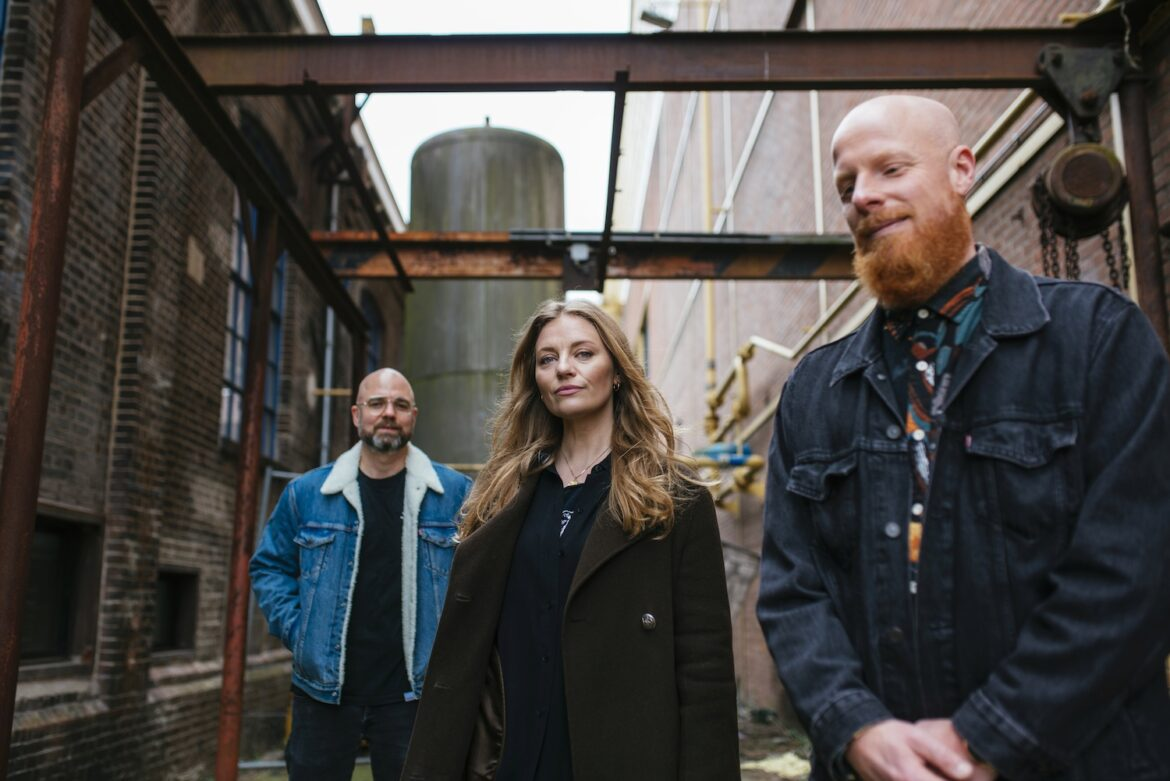
The trio doesn't believe in nihilism. Although “we are at a crossroads of who we want to be / become” as a species, the music on their new album was born from the simple desire to write beautiful songs and push their creativity forward – there are still p
-
Megan Thee Stallion Hospitalized After Getting Sick During Moulin Rouge! The Musical Performance
Megan Thee Stallion was rushed to hospital after falling ill amid her performance in Moulin Rouge! The Musical on Tuesday night.
-
Jessie Reyez Drops New EP ‘$TILL PAID’ With Stormzy Feature
It celebrates one year since she dropped the ‘PAID IN MEMORIES’ album
-
Hilary Duff Says She Still Feels Like A Child Star While Looking Back At ‘Lizzie McGuire’
She wasn't a fan of the super spicy chicken wings, which she said caused a "hellhole" in her throat.
-
Rosalía Forced to Stop Show Due to Food Poisoning
-
BOAT REMIX – Song by Trim & Pooh Shiesty
Trim's "BOAT" gained a lot of motion last year, and now we have a 2026 remix with none other than Pooh Shiesty.
-
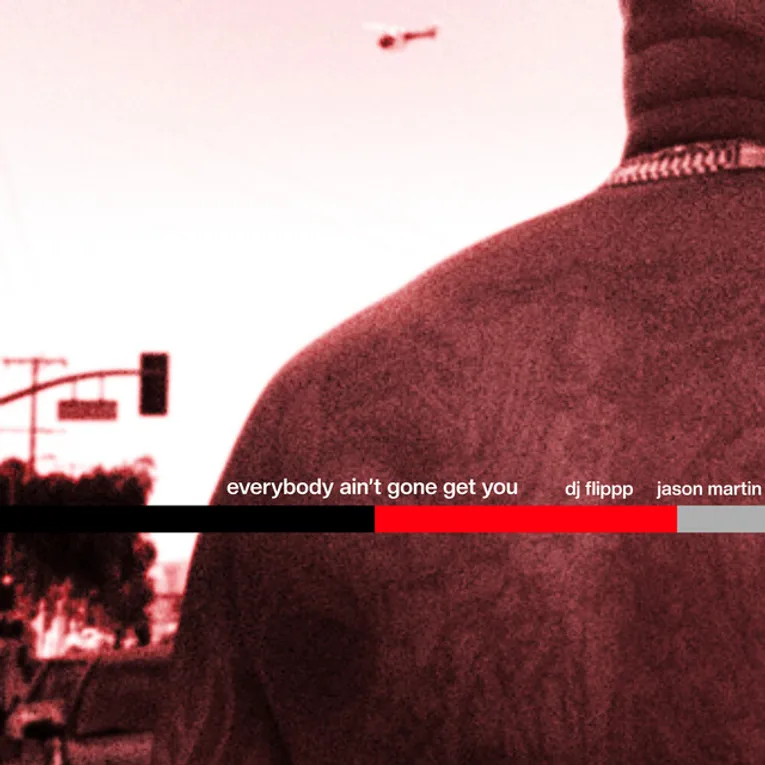
Everybody Ain't Gone Get You - Song by JasonMartin
Jason Martin and DJ Flippp are gearing up for their new project "Quik Flip," and their new single "Everybody Ain't Gone Get You" is here.
-
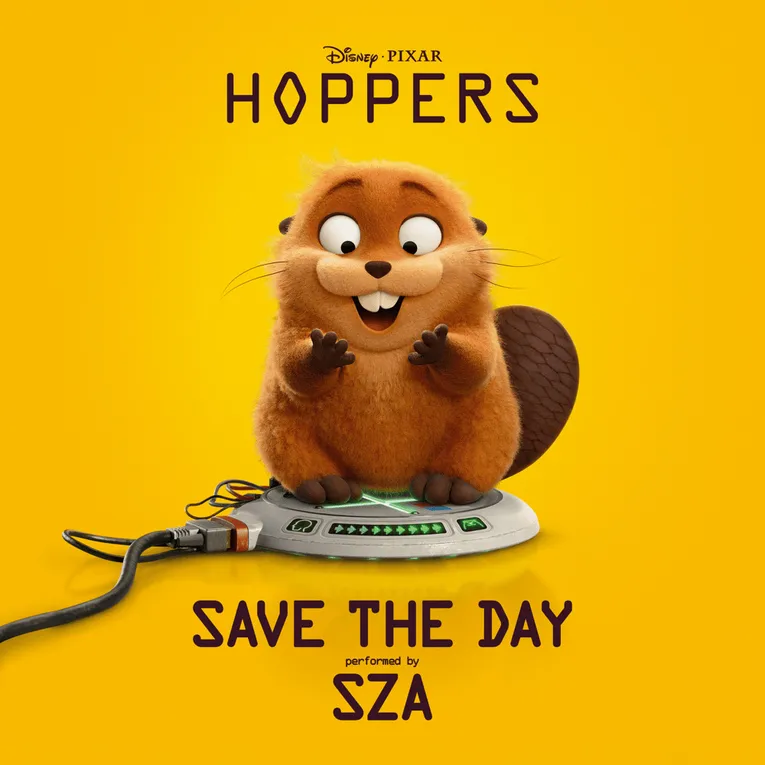
SZA Releases “Save The Day” (From “Hoppers”)
-
Benny The Butcher links up with Grafh for “Squeeze First”
Benny The Butcher links up with fellow New York rapper Grafh on the new single “Squeeze First.”
-
WGFT (Remix) - Song by Gunna featuring Chris Brown
CB adds his own flavor to the remix.
-
Rap Up 2025 marks Uncle Murda’s yearly recap
Uncle Murda has returned with his yearly rap recap, packing the track with sharp bars about Diddy, Young Thug, Summer Walker, and plenty of other names.
-
Dead Kennedys Guitarist Claims Jello Biafra Is Holding Back Potential Reunion
"It's not an issue for me or Klaus," founding Dead Kennedys guitarist East Bay Ray explains.
-
LE SSERAFIM announce 2025 ‘Easy Crazy Hot’ world tour
Featuring concerts in Asia, North America and more
-
Mischa Barton reveals she’s a huge Oasis fan: “They’re the coolest”
“What kind of self-respecting Brit would I be if I wasn’t?”
-
Eem Triplin drops “Duya” single ahead of upcoming album
Eem Triplin, once known for crafting type-beat internet productions, has smoothly transitioned into a full-fledged artist in his own right.
-
Kiana Ledé On Being Indie, ‘Cut Ties,’ And Singlehandedly Extending Spooky Season
The singer detailed how she intertwined love and horror for 'V Sessions.'
-
Royal Deb displays her Jamaican roots new reggae single “Somebody For Everybody”
Since Royal Deb was just a child in St. Ann, Jamaica, she has been immersed in the reggae music scene.



COMMENTS
Leave a comment