


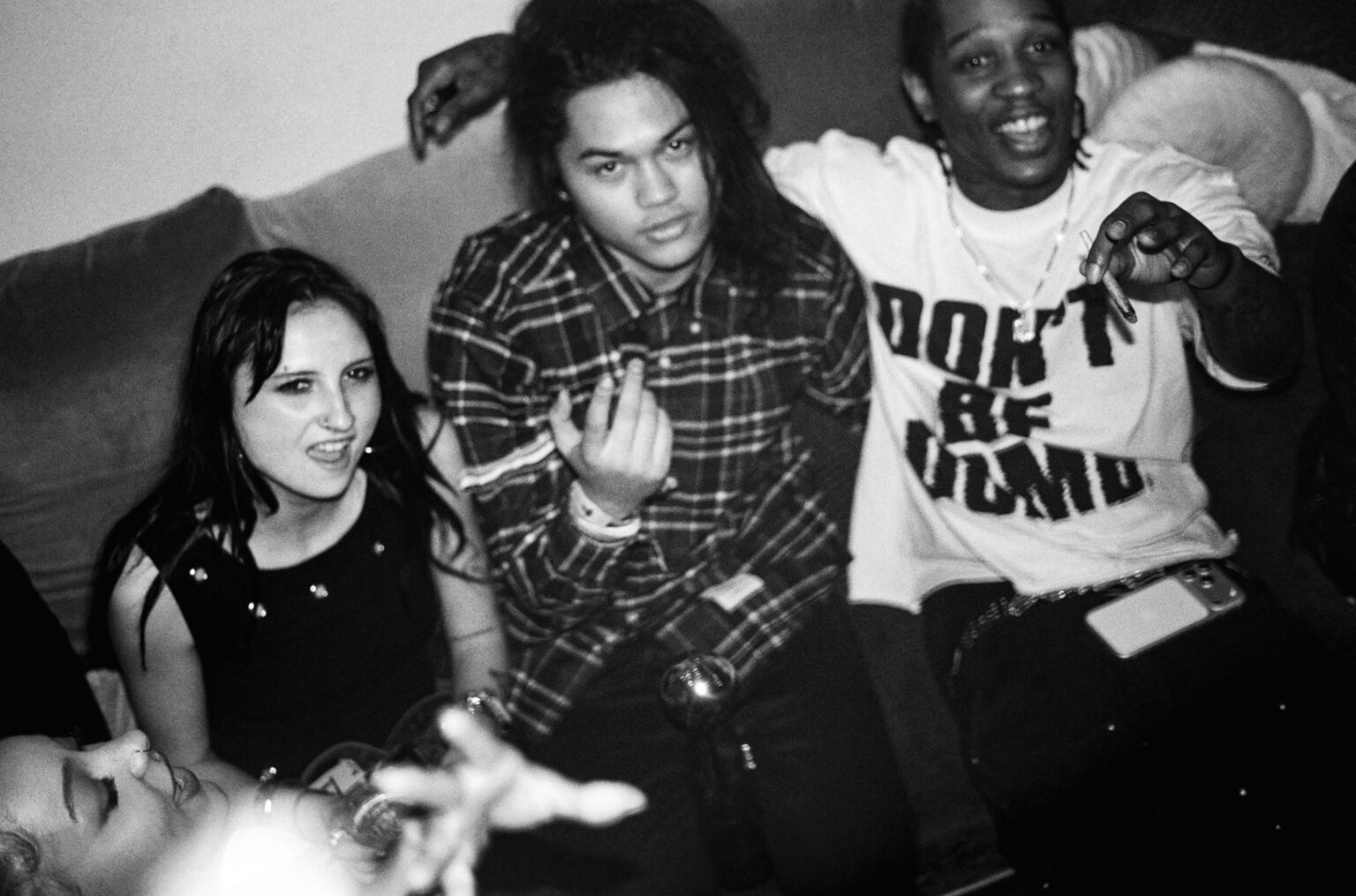




For Virginia singer and rapper THEDONRRRM, it’s all about the three Rs: real, raw, and rare.
As his name suggests, the music of THEDONRRRM keeps it real, with lyrics that tell stories from his life. His songs are raw: he doesn’t pull punches or hide from the ugly side of life. And his sound is rare, from the contrast between his singsong melodies and gruff rap vocals, to rhythmic experiments from hip hop/R&B to Brazilian funk.
All these elements can be heard on the new single, “DON’T GO.”
Over the catchy Latin bounce of the Brazilian funk beat, the hook showcases THEDONRRRM’s melodic singing. The lyrics, based on the real pain of a fading relationship, paint a picture of two hearts drifting apart.
She said please don’t go
You can’t leave me laying here alone
Keep telling me that she been hurt before
She feel like I don’t love her no more
The melodies are soft and catchy, and seem to fit the youthful image of THEDONRRRM. But soon, his alter ego appears, represented by deep baritone rap lyrics explaining that he can’t be home because he’s “chasing the cheese.”
I know it hurt when I’m out on the road
I’m missing your love but I’m stuck in that mode
She running to me when I walk in the door
“DON’T GO” is the sixth track off of the album, Call Me After You Hear This. While THEDONRRRM has been releasing music since 2016, this record marks his first full-length release. It may have been a long time coming, but something real is worth the wait.
Born and raised in Richmond, VA as Donovan Bennett, THEDONRRRM was introduced to music by his father, a DJ who helped him build his first home studio in middle school. By high school, he was recording, mixing, and mastering records for himself and others.
Building on that experience, THEDONRRRM is now a sought-after mixing and mastering engineer. With credits including the 4x platinum single “Party Girl” by StaySolidRocky, THEDONRRRM runs his music production business out of his personal studio, 3R’s Studios in Richmond.
But despite his talent at making other artists sound good, his current focus is primarily on his own career as a genre-bending artist. With upcoming appearances on the east coast (including New York City) and music videos in the works, the message is clear: THEDONRRRM is busy making honest, well-produced, and unique music that is well-worth repeated listening. Real. Raw. And rare.
“DON’T GO” and is out now with promotional support from Starlight PR. Listen everywhere, and follow THEDONRRRM at the links below.
Spotify | YouTube | Instagram | Apple Music | TikTok | Tidal | Amazon Music
-
Guns N’ Roses Debut Nothin’ And Atlas At Tour Opening Show
Guns N’ Roses Debut Nothin’ And Atlas At Tour Opening Show
-
Turning Point USA reveals performers for its All-American Halftime Show
Turning Point USA first revealed plans for its Super Bowl Halftime Show alternative in October.
-
Rilo Kiley’s Jenny Lewis marks turning 50 with playful dog wedding
Muzzle Tov
-
Lil Uzi Vert sends Christmas gifts to fans who wrote to them
Giving back has always been part of Lil Uzi Vert’s relationship with fans, and it is still just as meaningful every time.
-
Bruce Springsteen Honors Joe Ely “We’ve Lost an American Classic”
Ely, a cornerstone of Texas music, passed away Monday at 78.
-
Diddy Reportedly Plans $1 Billion Legal Battle With Netflix Over 50 Cent’s Docuseries
According to Diddy’s representatives, the Netflix docuseries produced by 50 Cent is a “shameful hit piece,” and they argue it uses footage that was stolen from them.
-
New Single “DON’T GO” Showcases the Real, Raw, And Rare Music of Virginia Singer and Rapper THEDONRRRM
All these elements can be heard on the new single, “DON’T GO.”
-
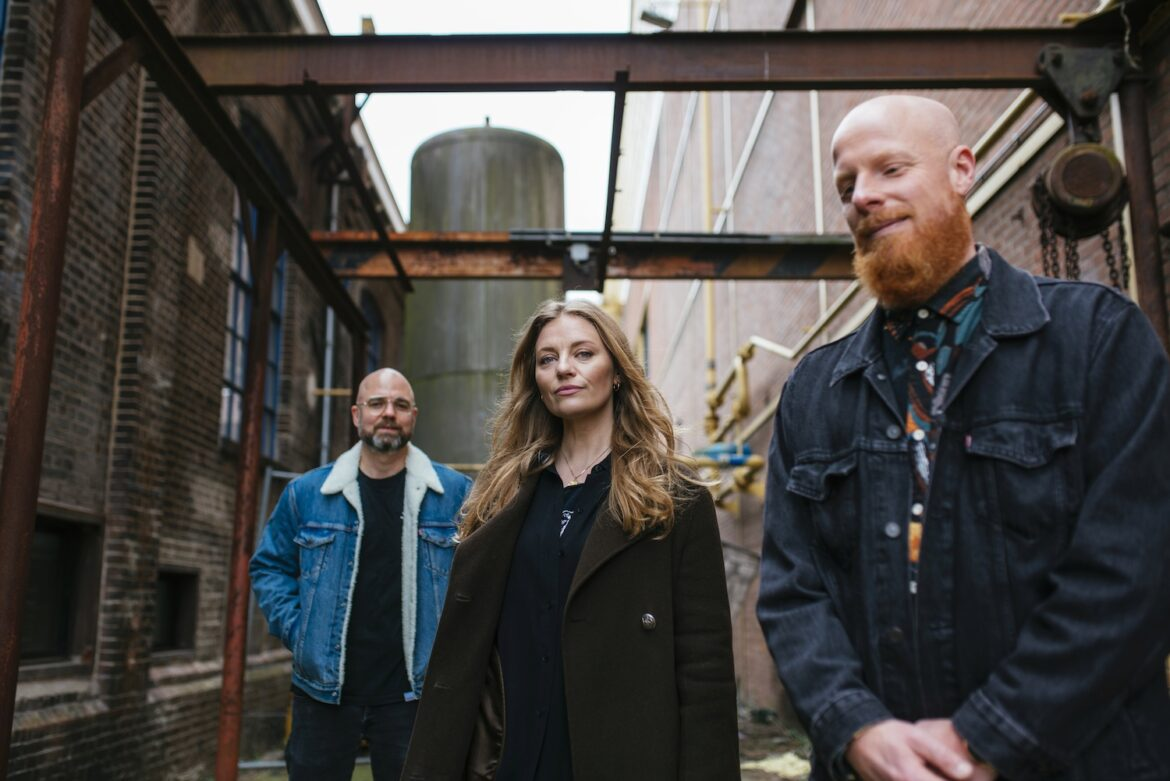
Tinlicker Shares Thoughts On Where Electronic Music Is Heading
The trio doesn't believe in nihilism. Although “we are at a crossroads of who we want to be / become” as a species, the music on their new album was born from the simple desire to write beautiful songs and push their creativity forward – there are still p
-
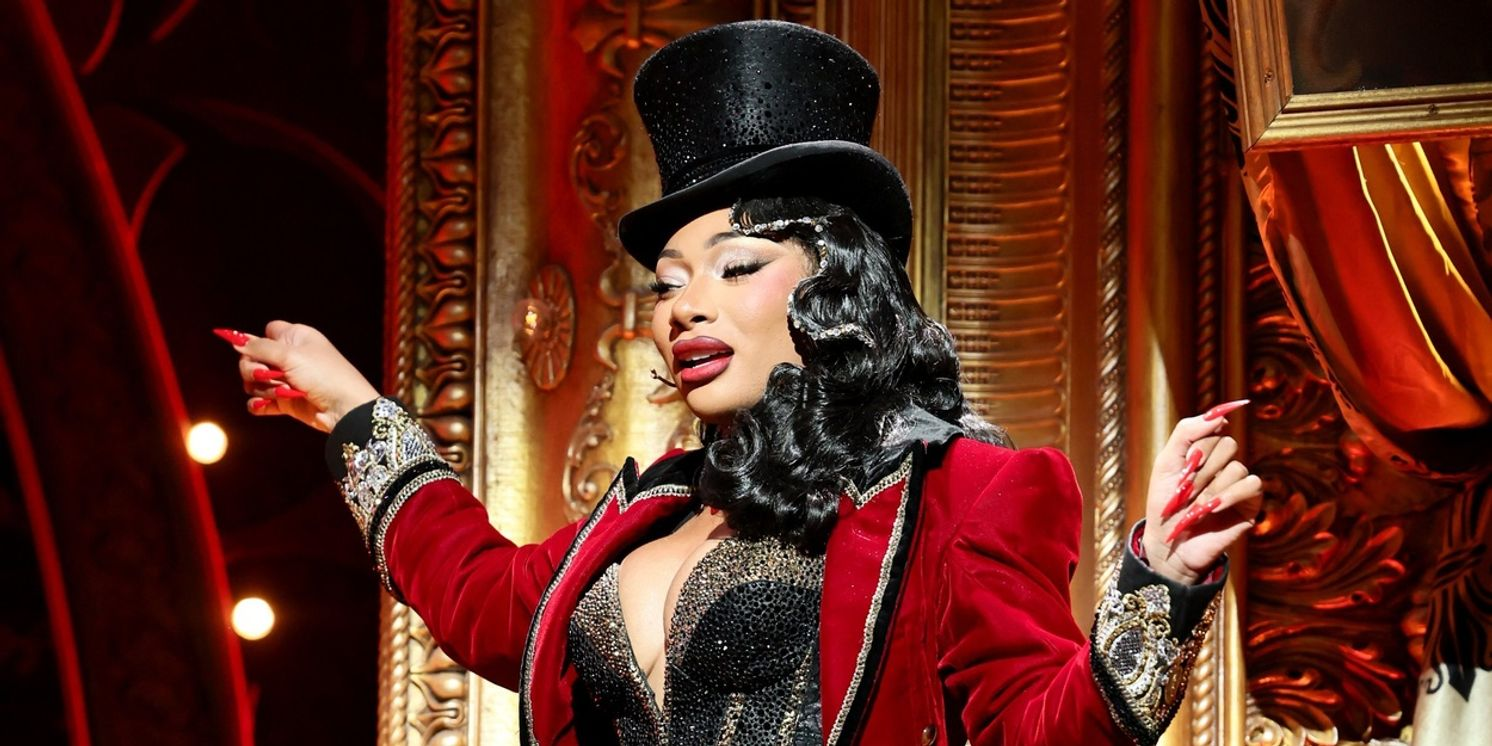
Megan Thee Stallion Hospitalized After Getting Sick During Moulin Rouge! The Musical Performance
Megan Thee Stallion was rushed to hospital after falling ill amid her performance in Moulin Rouge! The Musical on Tuesday night.
-
Jessie Reyez Drops New EP ‘$TILL PAID’ With Stormzy Feature
It celebrates one year since she dropped the ‘PAID IN MEMORIES’ album
-
Hilary Duff Says She Still Feels Like A Child Star While Looking Back At ‘Lizzie McGuire’
She wasn't a fan of the super spicy chicken wings, which she said caused a "hellhole" in her throat.
-
Rosalía Forced to Stop Show Due to Food Poisoning
-
BOAT REMIX – Song by Trim & Pooh Shiesty
Trim's "BOAT" gained a lot of motion last year, and now we have a 2026 remix with none other than Pooh Shiesty.
-
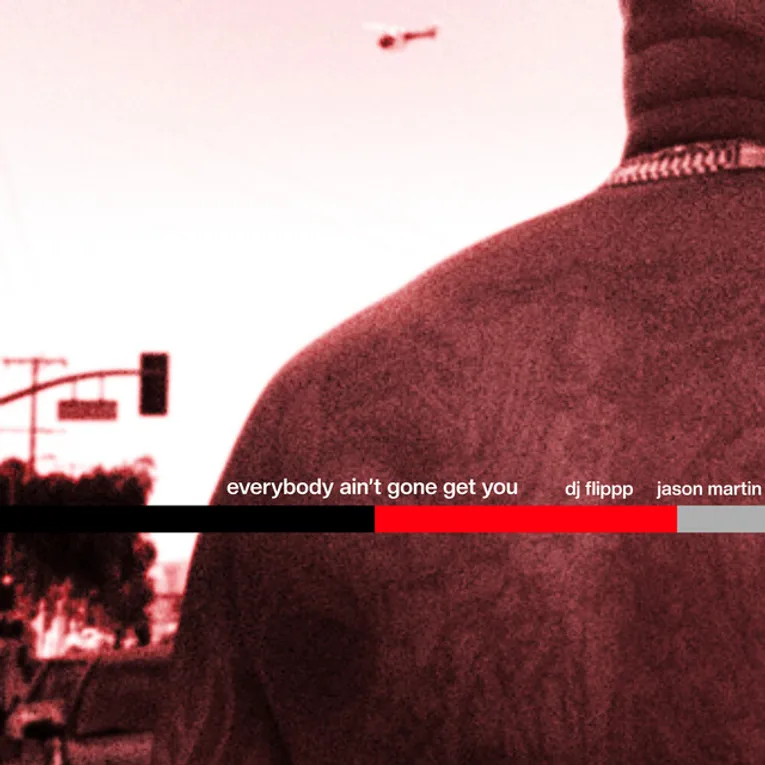
Everybody Ain't Gone Get You - Song by JasonMartin
Jason Martin and DJ Flippp are gearing up for their new project "Quik Flip," and their new single "Everybody Ain't Gone Get You" is here.
-
SZA Releases “Save The Day” (From “Hoppers”)
-
Benny The Butcher links up with Grafh for “Squeeze First”
Benny The Butcher links up with fellow New York rapper Grafh on the new single “Squeeze First.”
-
WGFT (Remix) - Song by Gunna featuring Chris Brown
CB adds his own flavor to the remix.
-
Rap Up 2025 marks Uncle Murda’s yearly recap
Uncle Murda has returned with his yearly rap recap, packing the track with sharp bars about Diddy, Young Thug, Summer Walker, and plenty of other names.
-
Dead Kennedys Guitarist Claims Jello Biafra Is Holding Back Potential Reunion
"It's not an issue for me or Klaus," founding Dead Kennedys guitarist East Bay Ray explains.
-
LE SSERAFIM announce 2025 ‘Easy Crazy Hot’ world tour
Featuring concerts in Asia, North America and more
-
Mischa Barton reveals she’s a huge Oasis fan: “They’re the coolest”
“What kind of self-respecting Brit would I be if I wasn’t?”
-
Eem Triplin drops “Duya” single ahead of upcoming album
Eem Triplin, once known for crafting type-beat internet productions, has smoothly transitioned into a full-fledged artist in his own right.
-
Kiana Ledé On Being Indie, ‘Cut Ties,’ And Singlehandedly Extending Spooky Season
The singer detailed how she intertwined love and horror for 'V Sessions.'
-
Royal Deb displays her Jamaican roots new reggae single “Somebody For Everybody”
Since Royal Deb was just a child in St. Ann, Jamaica, she has been immersed in the reggae music scene.




COMMENTS
Leave a comment