
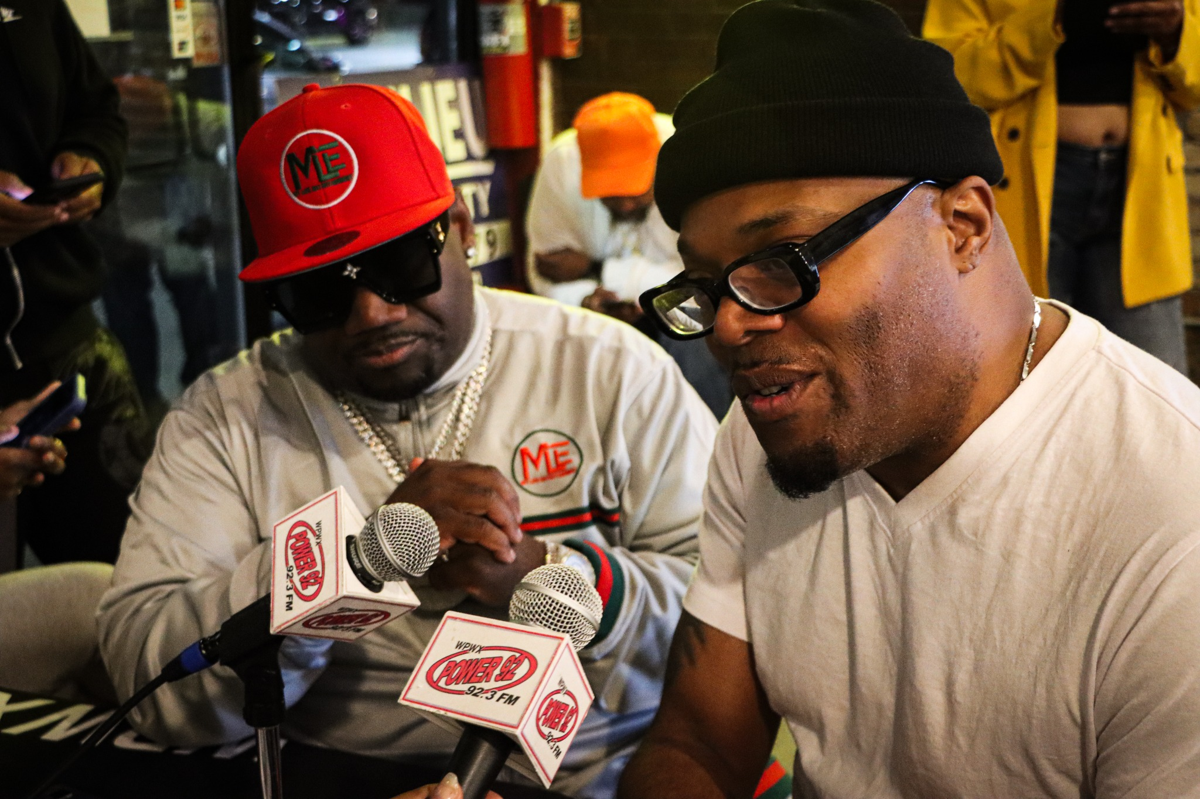






In the opening frame of the music video for ML Underwood’s “Still I Rise,” the camera pans across the facade of the historic ruins of City Church in Gary, Indiana. Soon, a pristine white Rolls Royce pulls up in front.
The driver of the Rolls opens the door, and out steps Underwood, looking fresh in his black designer jacket and shades with platinum jewelry dangling on his chest. He enters the crumbling, graffiti-covered church, and the contrast is clear: surrounded by ruin and pain, here is a man of resilience. Here is a man who will rise.
Everything now is literally in chaos
People on their knees praying looking for a way out
But Underwood doing for the hood
The downtrodden, disenchanted, and misunderstood
You’ve gotta pivot so you don’t ever become a crook
Lead by example or do something good so we all rise
The positivity of “Still I Rise” is resonating, as seen in video comments like “This one hit different,” or “Very uplifting song.” One calls the song a “new black anthem.” Says another, “These bros have saved hip hop.”
And the numbers don’t lie. Radio rotation on Chicago’s 92.3, nearly three million views on YouTube, and viral success on TikTok have helped to drive the track to number one on the global iTunes chart. And with 30,000 monthly listeners on Spotify, Underwood’s success — and positive message — cuts across all platforms and audiences.
Underwood says, “Despite everything we’ve been through, we rise. And that message applies to everybody.”
The impeccably produced “Still I Rise” features singer Danny Boy (Daniel Steward). Danny Boy, signed to Death Row Records in the 1990s, and whose voice has graced records by 2Pac and many more, elevates the hook, helping the track sound like an instant classic.
Underwood says, “We knew we needed a voice that could elevate the message, and Danny Boy took it to another level.”
Underwood created the track over a year. His process includes meditating on the lyrics and working with longtime collaborator Damon Jones (Young Khan Tha Don). With a beat from Grammy-winning Tone Jonez, he also got input from a cousin, Ivy (Ivana), who developed the melodic idea in the hook.
With the track and team in place, Underwood headed to Pressure Point Recording Studio in Chicago to record with Slavic Livins, an audio engineer known for his work with everyone from Gucci Mane to KeKe Wyatt.
The result is a track that could have been made during the heyday of 1990s rap, but that tells the true story of a 27-year veteran of the music industry. As Underwood says, “I don’t talk about things I didn’t live. Everything in my music comes from real experience.”
If you really wanna cry, look through my eye
In this game I seen way too many guys die
Envy and jealousy shot ’em down like a drive by
All I’m doing is speaking facts, why would I lie?
ML Underwood’s ties to the Gary, Indiana music scene, cut deep. The “visionary from Gary” was even named after Marlon Jackson of the Jacksons, the royal family of music in Gary. In the 1980s he was a beatboxer and performer with Le Boiz, the first rap group from the city signed to a label (Pharaohs Records). Later, he became a promoter for everything from music to boxing.
Now, he is focused on his own career as a rapper and a positive light in the community. Like a fighter, he has gotten back up. He wants to inspire others to do the same. Like the video for “Still I Rise,” it is possible to turn ruin into inspiration, dark into light, crumbling walls into creativity.
“Life is going to hit you,” he says. “But the key is, you don’t stay down. You rise.”
“Still I Rise” is out now with promotional support from Starlight PR. Follow ML Underwood at the links below.
My Life Entertainment
YouTube
Spotify
Empire.ffm
Facebook
Instagram
TikTok
Apple Music
iTunes download
Amazon Music
Tidal
Deezer
-
Red Hot Chili Peppers Land Over $300 Million From Catalog Sale
Warner Music Group, the band's home since 1991's Blood Sugar Sex Magik, acquires the Peppers' catalog as part of Bain Capital joint venture
-
Guns N’ Roses Debut Nothin’ And Atlas At Tour Opening Show
Guns N’ Roses Debut Nothin’ And Atlas At Tour Opening Show
-
Turning Point USA reveals performers for its All-American Halftime Show
Turning Point USA first revealed plans for its Super Bowl Halftime Show alternative in October.
-
Rilo Kiley’s Jenny Lewis marks turning 50 with playful dog wedding
Muzzle Tov
-
Lil Uzi Vert sends Christmas gifts to fans who wrote to them
Giving back has always been part of Lil Uzi Vert’s relationship with fans, and it is still just as meaningful every time.
-
Bruce Springsteen Honors Joe Ely “We’ve Lost an American Classic”
Ely, a cornerstone of Texas music, passed away Monday at 78.
-
Number One and Rising: The Visionary from Gary Rapper ML Underwood’s “Still I Rise” Climbs the Charts with Positive Message
The driver of the Rolls opens the door, and out steps Underwood, looking fresh in his black designer jacket and shades with platinum jewelry dangling on his chest.
-
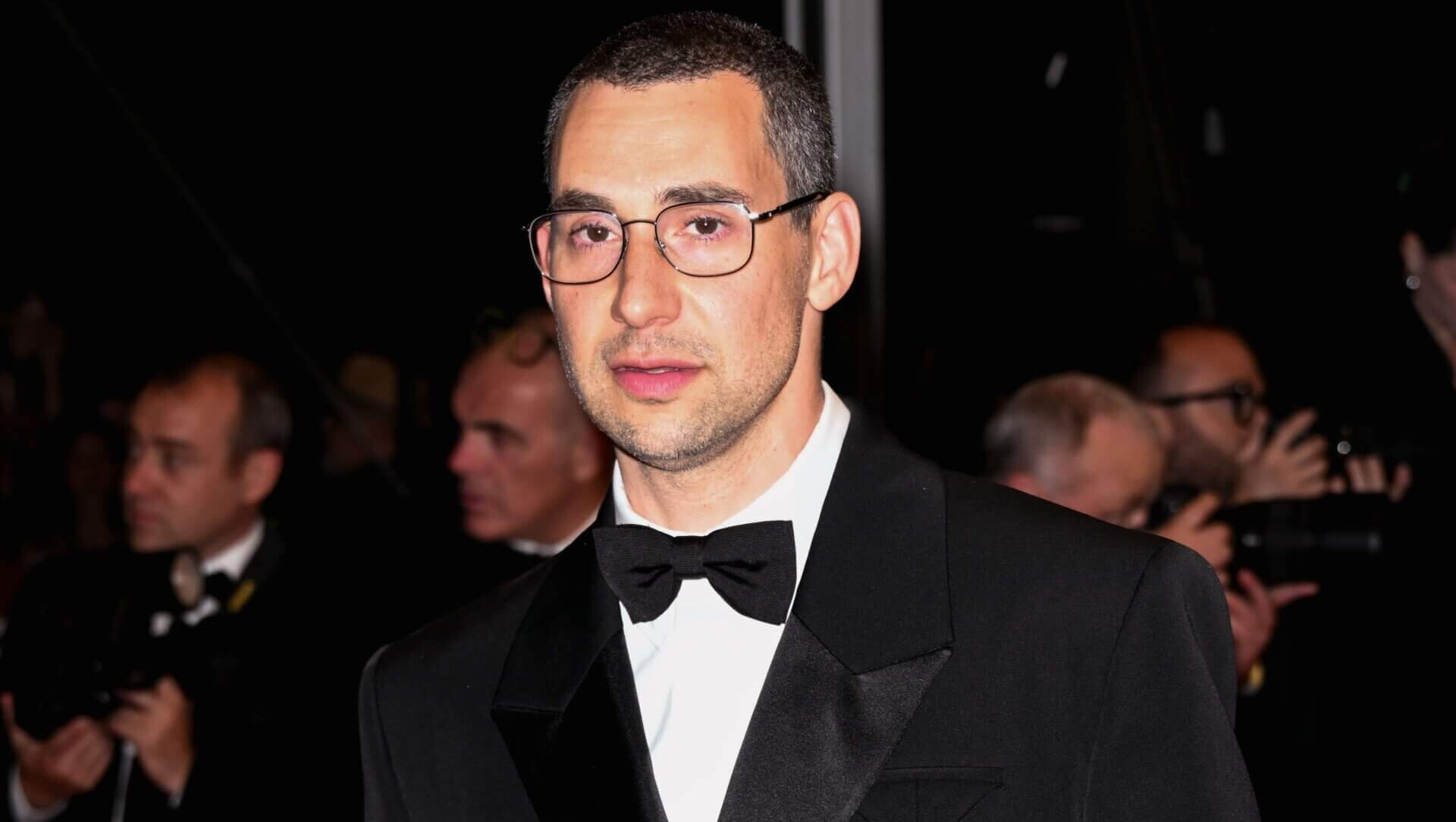
Jack Antonoff Criticizes Musicians Using AI In Their Creative Process
-
Doja Cat Reveals Plans To Step Away From Music For A While
She also opened up about how her borderline personality disorder complicates her dating life.
-
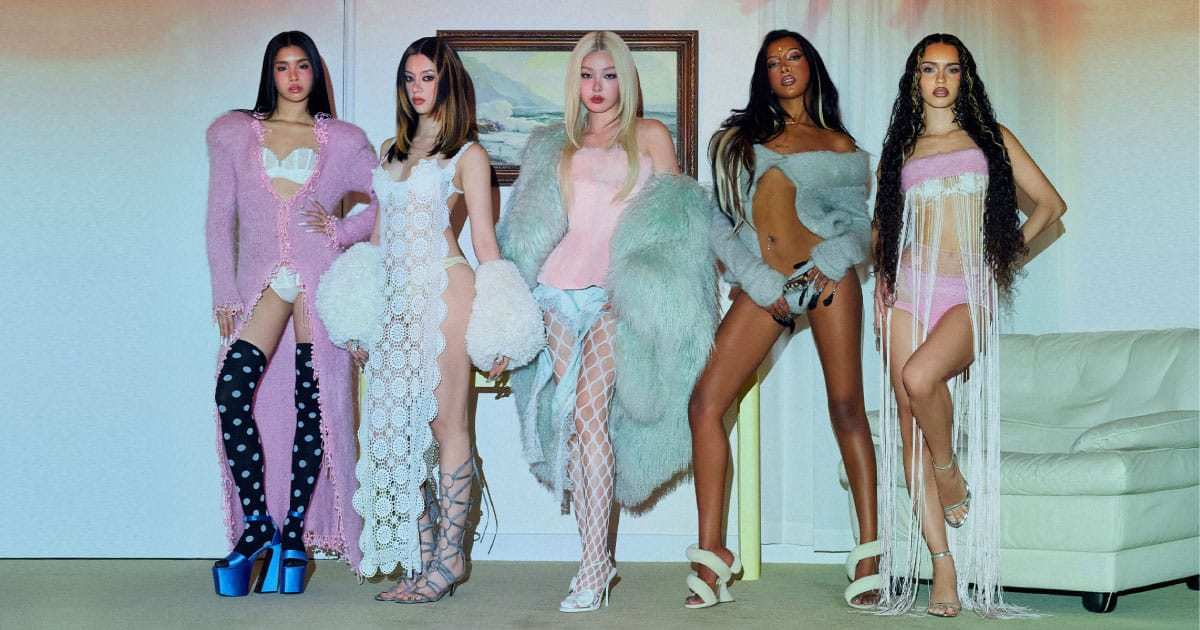
KATSEYE Reveal 2026 UK, European and North American Tour Dates
The girls will kick off at Dublin's 3Arena, and are also set to play London's O2 and Manchester's Co-Op Live
-
Kanye West Defeated In Legal Battle Over ‘Hurricane’ Sample Use
-
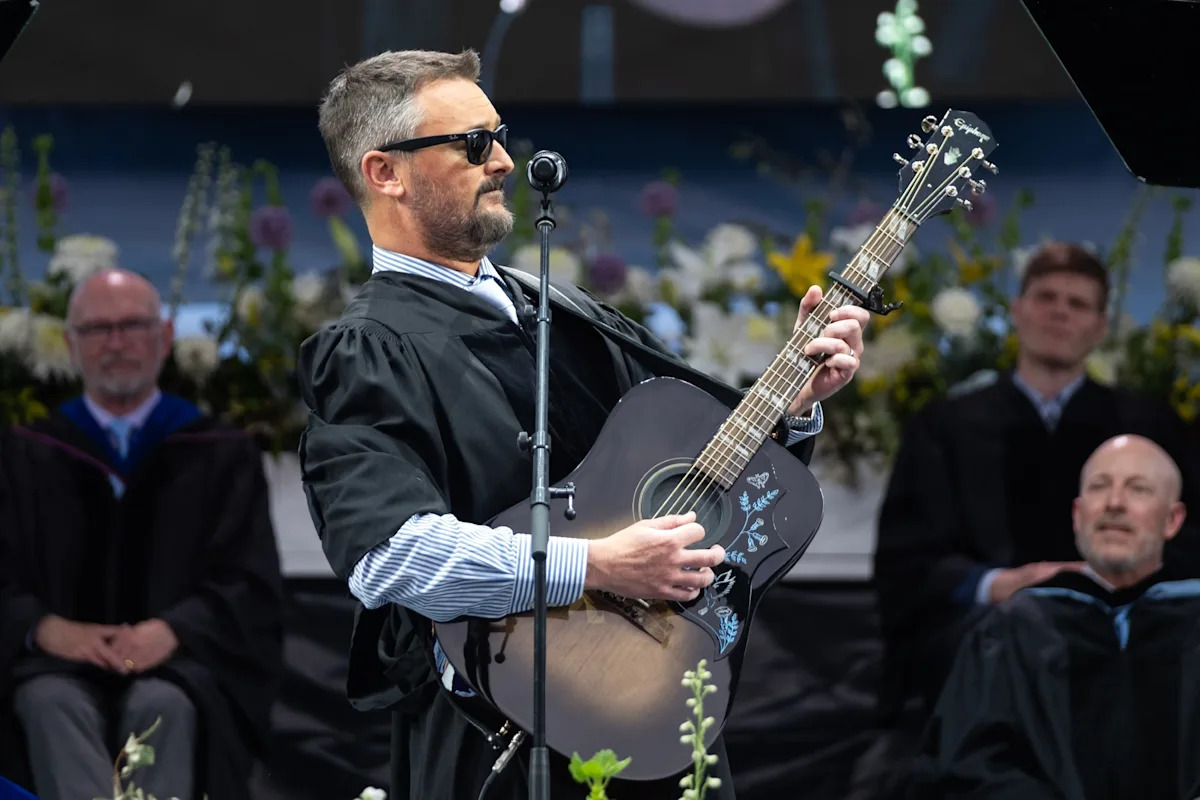
Eric Church Performs ‘Carolina’ During UNC-Chapel Hill Graduation Speech
Church shared words with the class of 2026 the best way he knows how -- with his guitar.
-
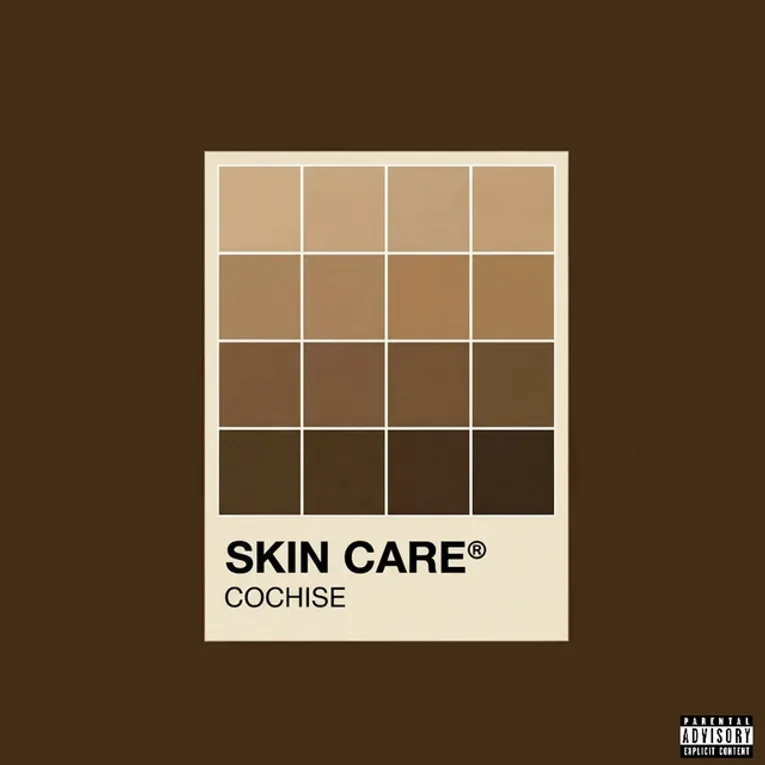
Cochise Brings a Fresh Sound on “Skin Care”
Cochise has fans demanding a new album soon, but at least he will hold them over for now with the new single "SKIN CARE."
-
Rocket Rese Drops Heavy New Collaboration "BAPTIZED" With SosMula
Rocket Rese shared his first project of his career this year and it doesn't look like he's going to slow down for the rest of 2026.
-
BOAT REMIX – Song by Trim & Pooh Shiesty
Trim's "BOAT" gained a lot of motion last year, and now we have a 2026 remix with none other than Pooh Shiesty.
-
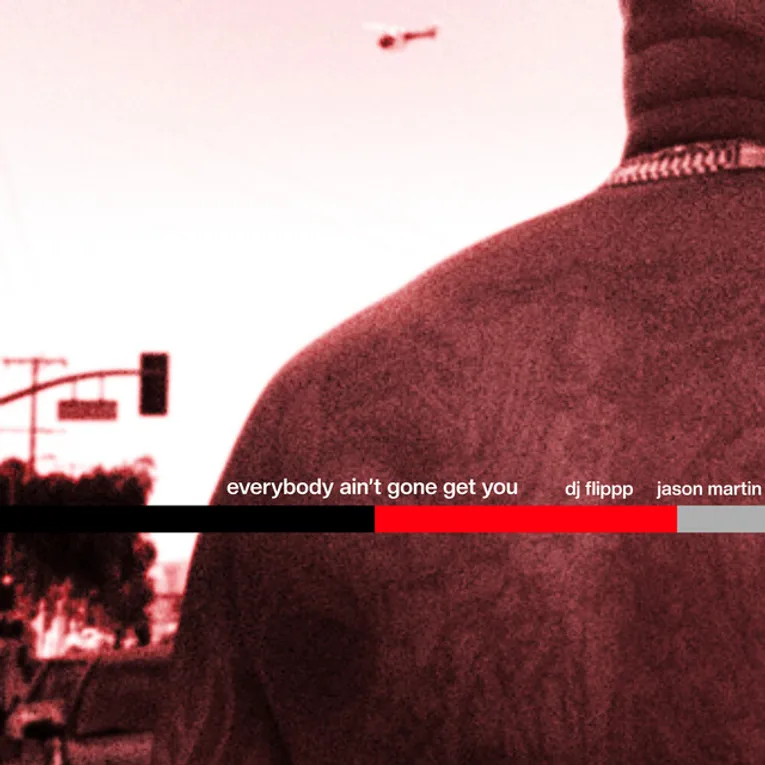
Everybody Ain't Gone Get You - Song by JasonMartin
Jason Martin and DJ Flippp are gearing up for their new project "Quik Flip," and their new single "Everybody Ain't Gone Get You" is here.
-
SZA Releases “Save The Day” (From “Hoppers”)
-
Benny The Butcher links up with Grafh for “Squeeze First”
Benny The Butcher links up with fellow New York rapper Grafh on the new single “Squeeze First.”
-
Dead Kennedys Guitarist Claims Jello Biafra Is Holding Back Potential Reunion
"It's not an issue for me or Klaus," founding Dead Kennedys guitarist East Bay Ray explains.
-
LE SSERAFIM announce 2025 ‘Easy Crazy Hot’ world tour
Featuring concerts in Asia, North America and more
-
Mischa Barton reveals she’s a huge Oasis fan: “They’re the coolest”
“What kind of self-respecting Brit would I be if I wasn’t?”
-
Eem Triplin drops “Duya” single ahead of upcoming album
Eem Triplin, once known for crafting type-beat internet productions, has smoothly transitioned into a full-fledged artist in his own right.
-
Kiana Ledé On Being Indie, ‘Cut Ties,’ And Singlehandedly Extending Spooky Season
The singer detailed how she intertwined love and horror for 'V Sessions.'
-
Royal Deb displays her Jamaican roots new reggae single “Somebody For Everybody”
Since Royal Deb was just a child in St. Ann, Jamaica, she has been immersed in the reggae music scene.




COMMENTS
Leave a comment