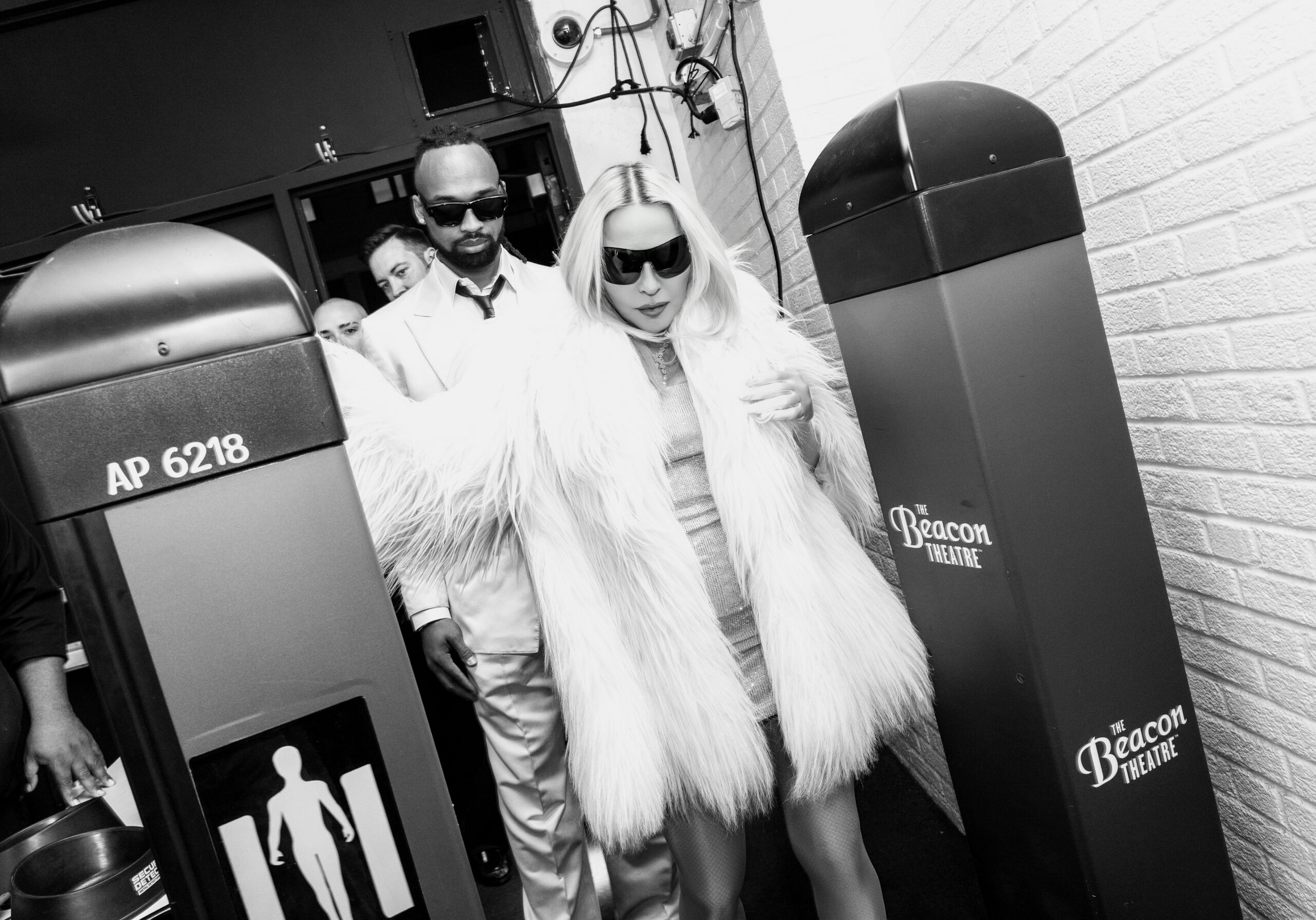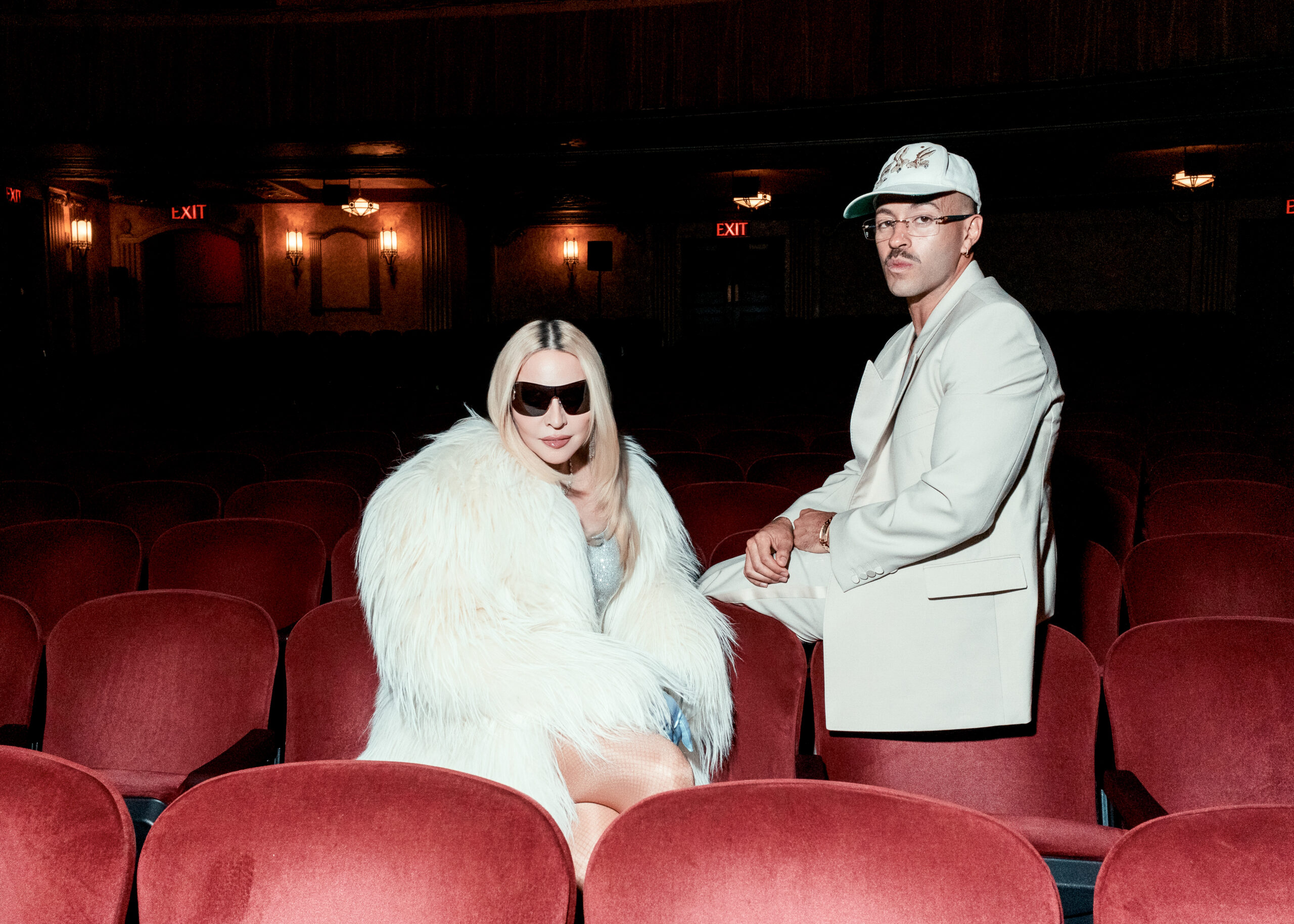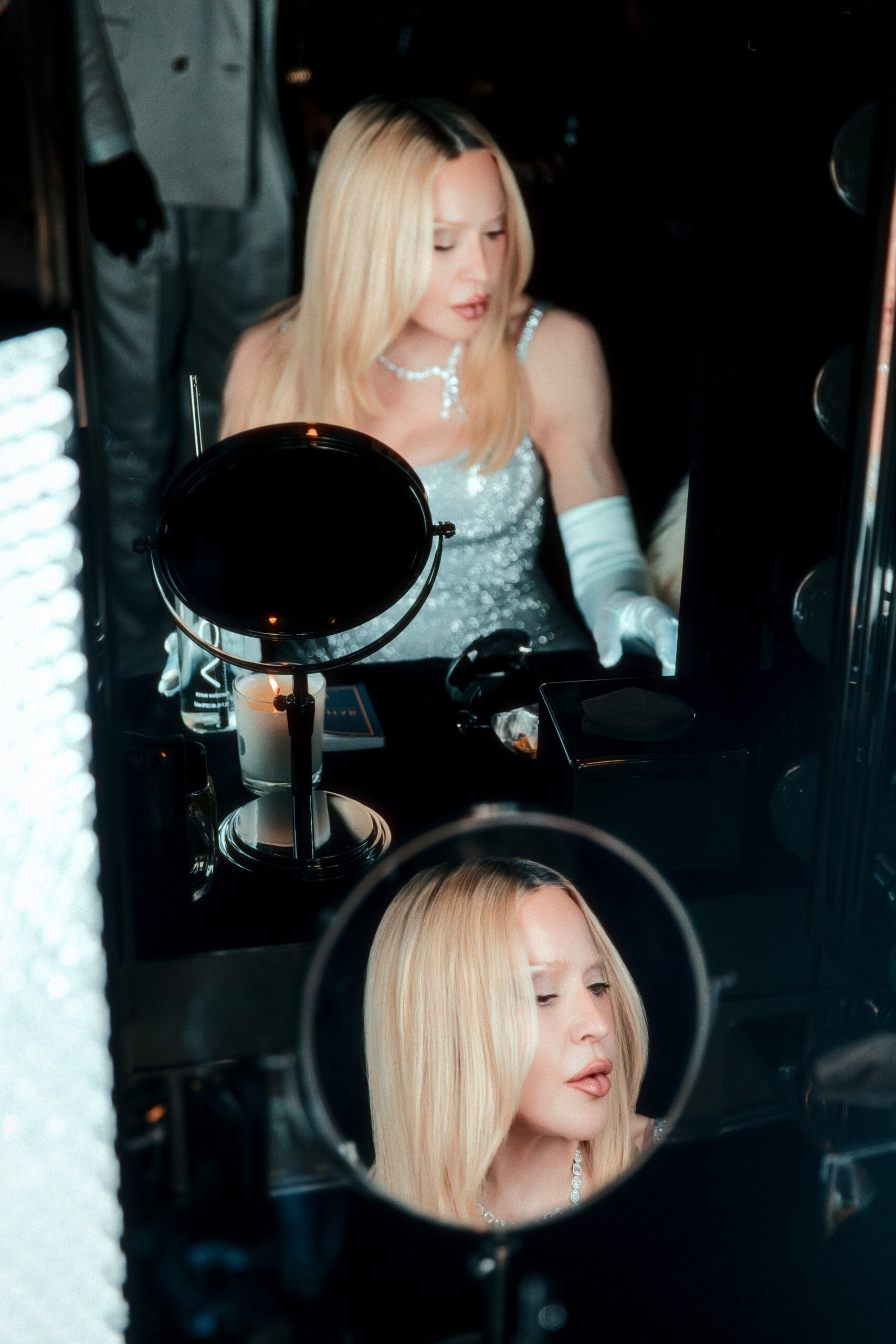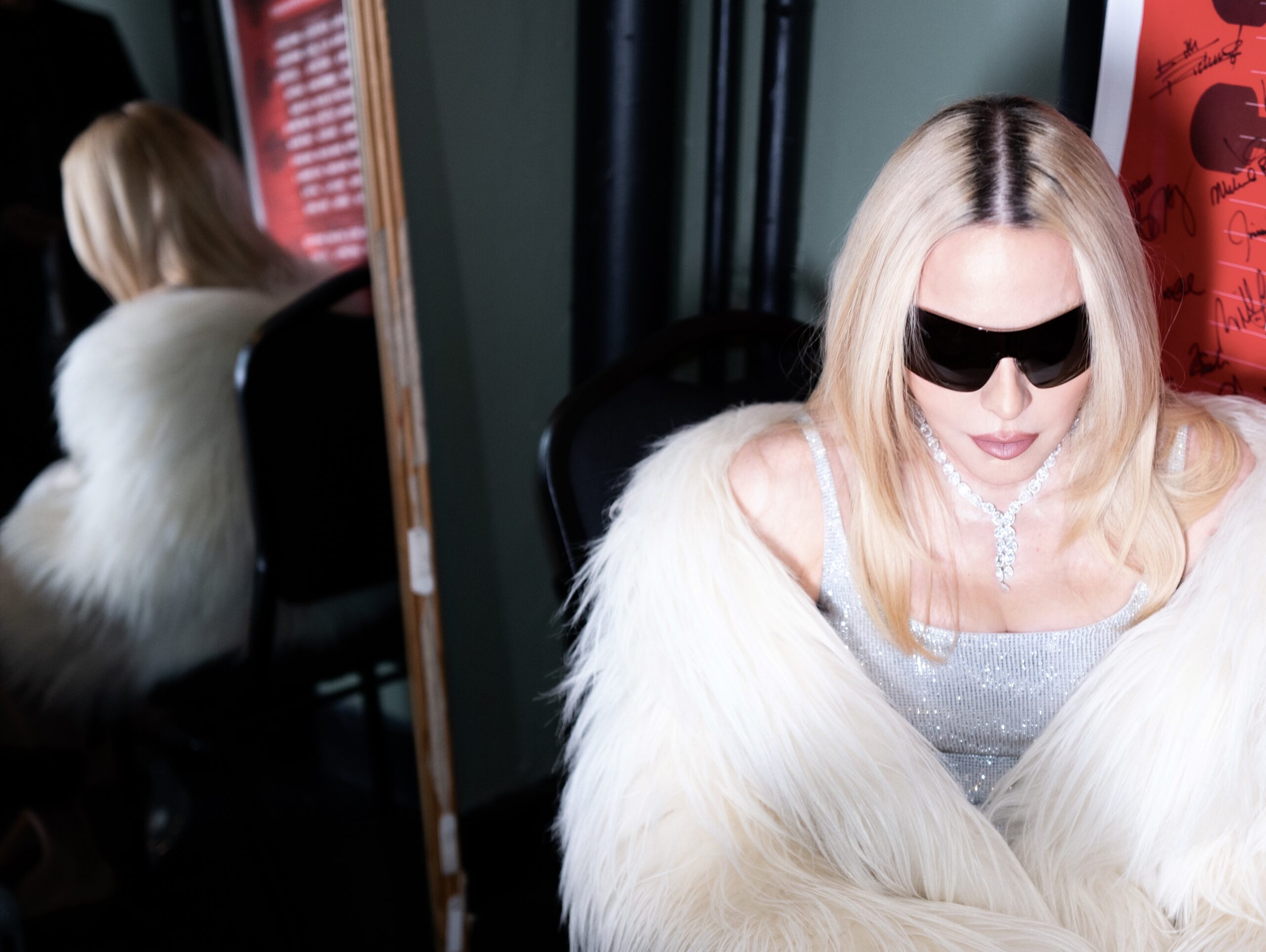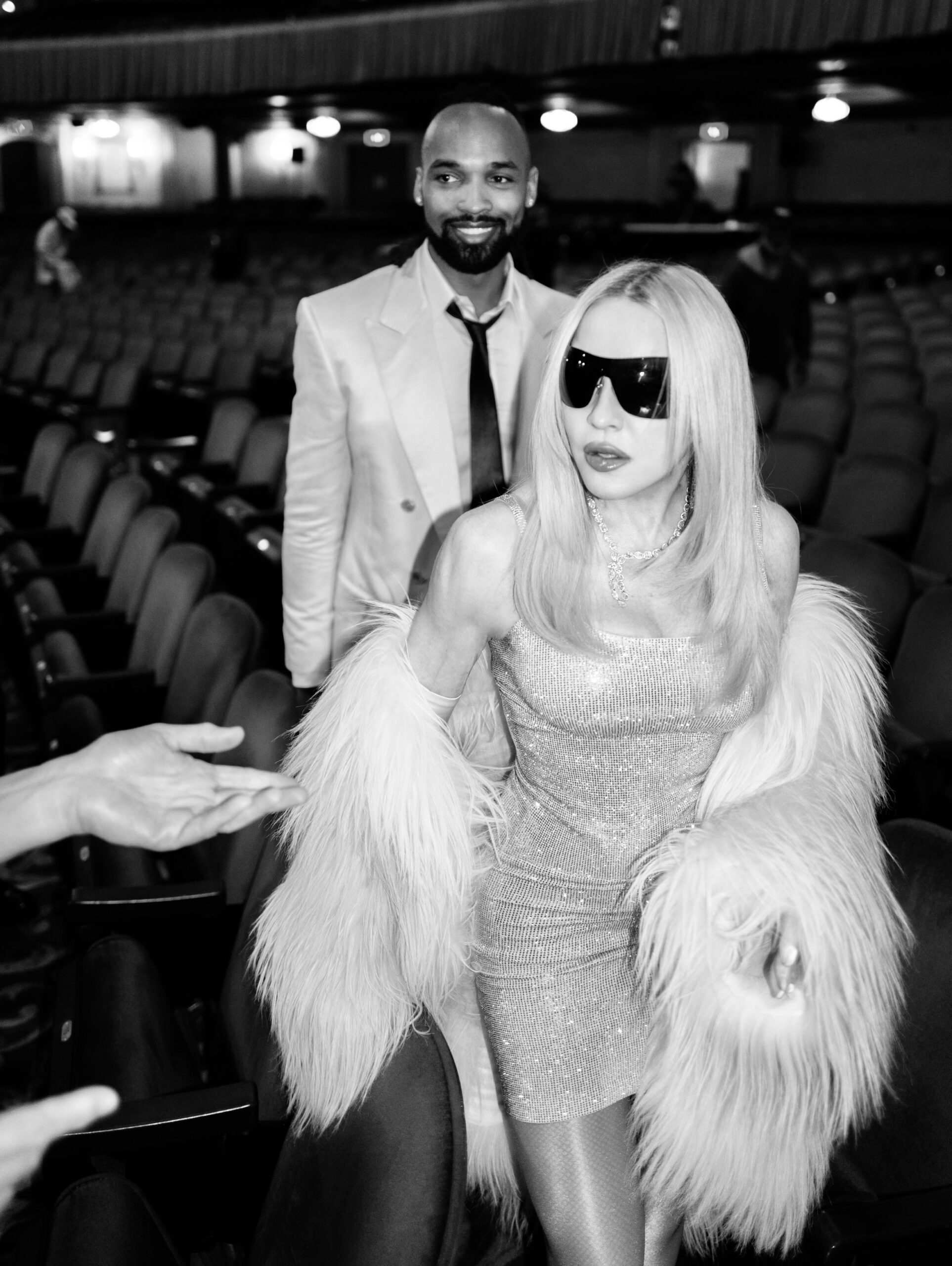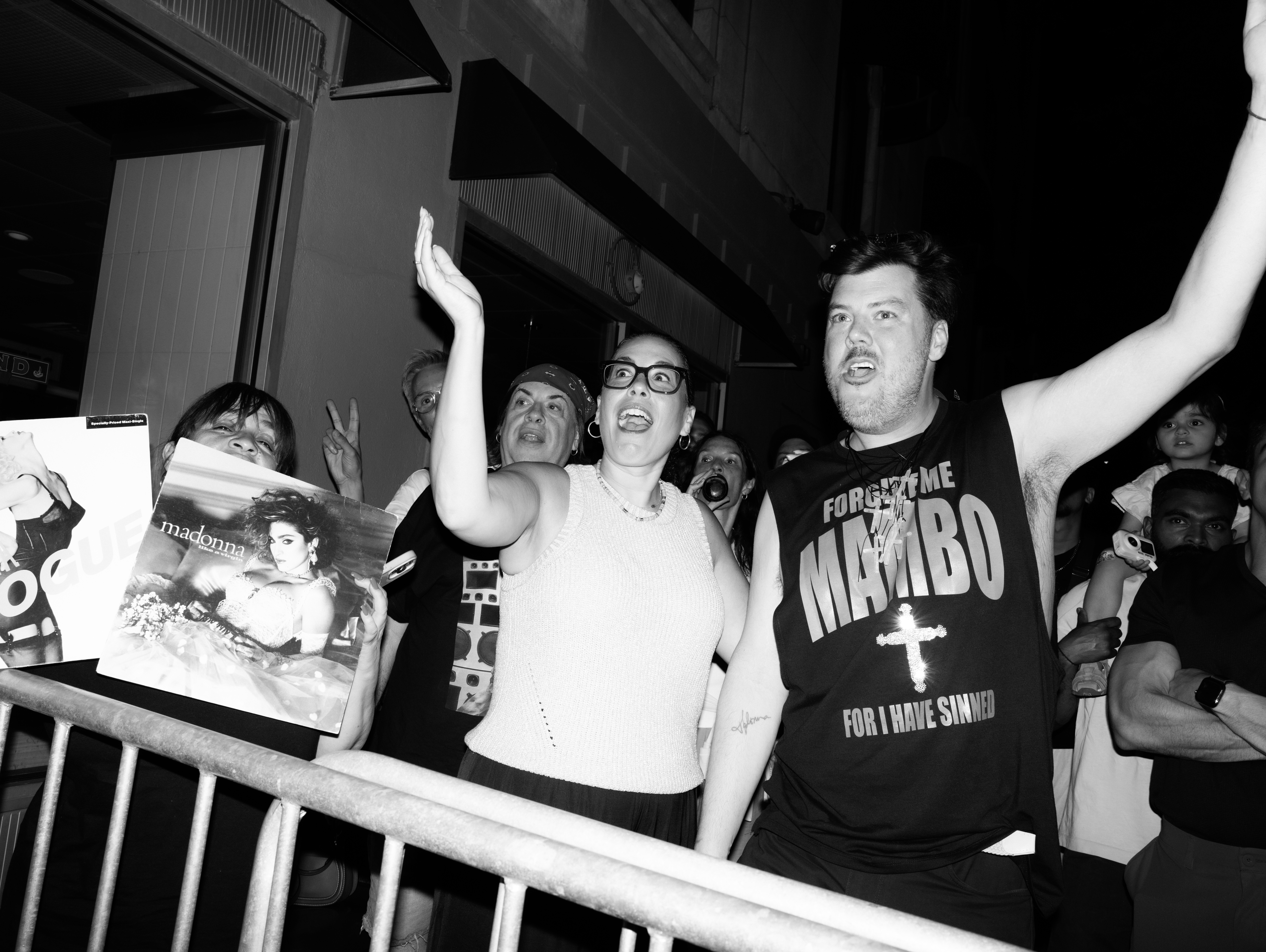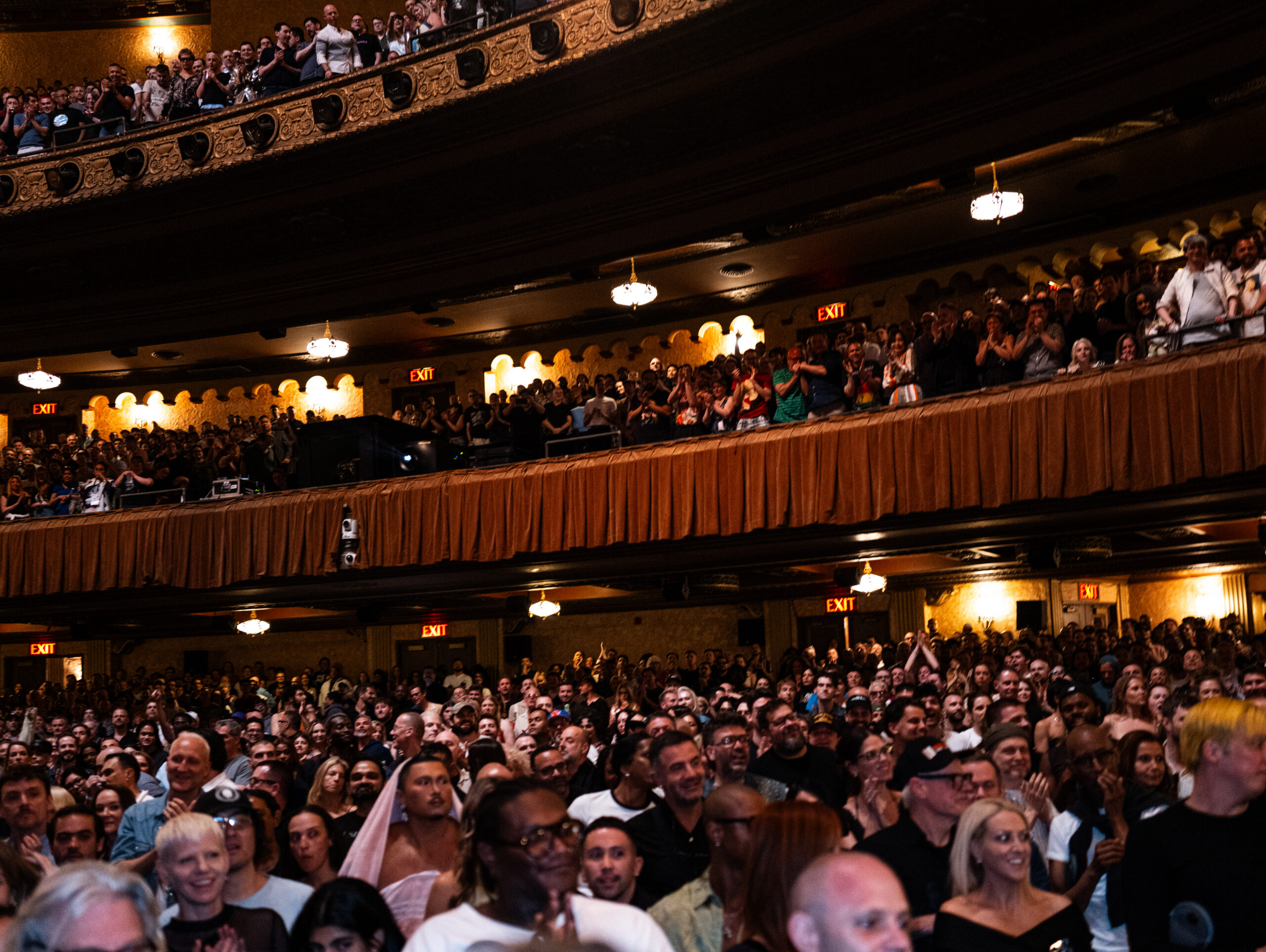

Long before she became one of the most influential figures in pop music, Madonna arrived in New York City with little more than determination and a clear vision for her future. After moving to Manhattan in 1978, she immersed herself in downtown life, taking on odd jobs, living in modest East Village apartments, and spending countless nights in the clubs that helped shape the city's creative scene. Those formative years laid the foundation for a career that would redefine popular music, earning her multiple Grammy Awards and inspiring generations of artists.
Few people have documented that chapter of Madonna's life as extensively as Matthew Rettenmund, widely recognized by fans as "Encyclopedia Madonnica." Through years of research and writing, the author has chronicled the singer's New York journey in remarkable detail. With excitement building around Madonna's forthcoming album Confessions II and her 11th Interview magazine cover, Rettenmund revisits the places that played a pivotal role in her rise, guiding readers through the landmarks that helped shape the legend of the Queen of Pop.
———
232 E. 4TH STREET
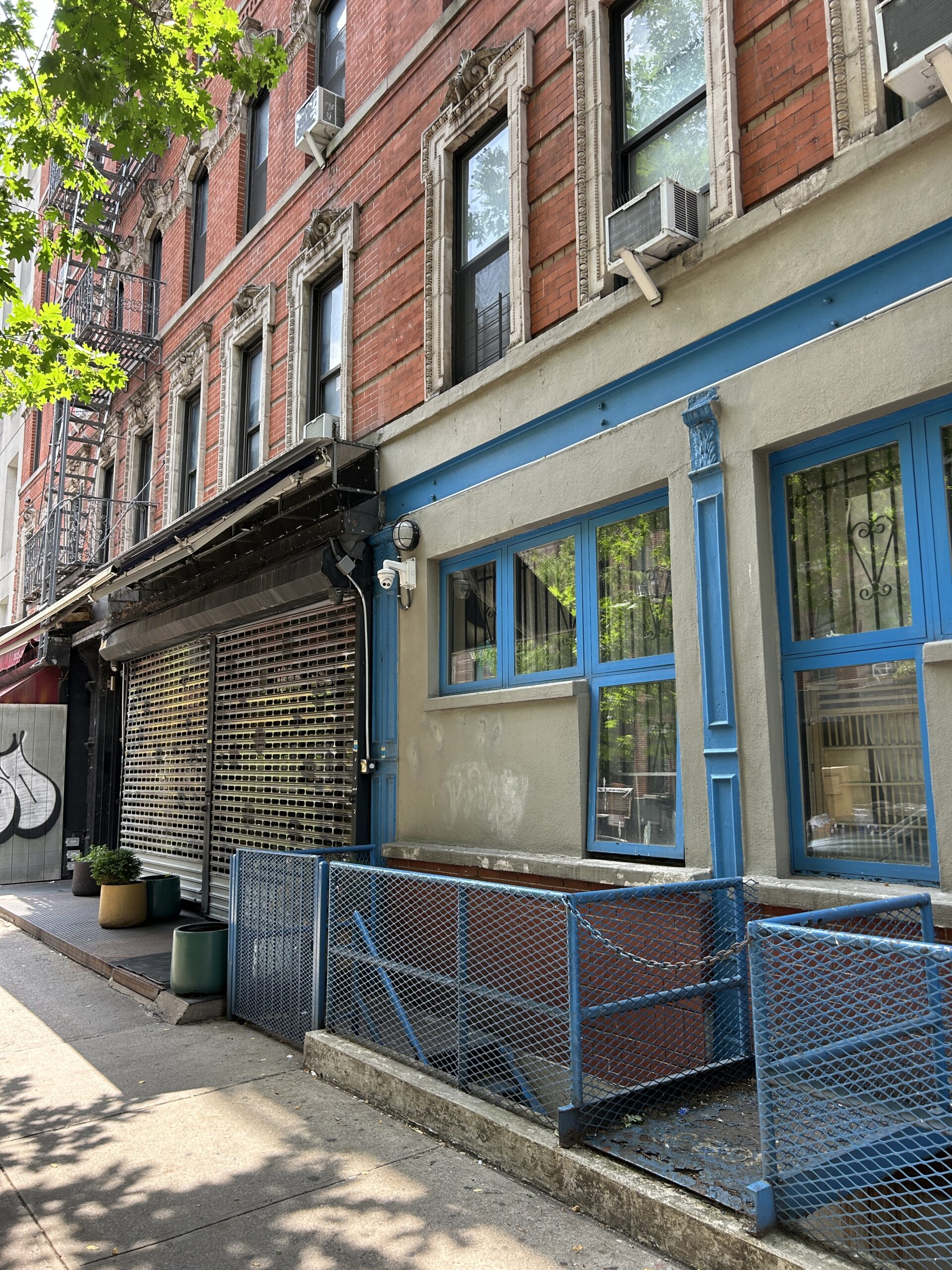
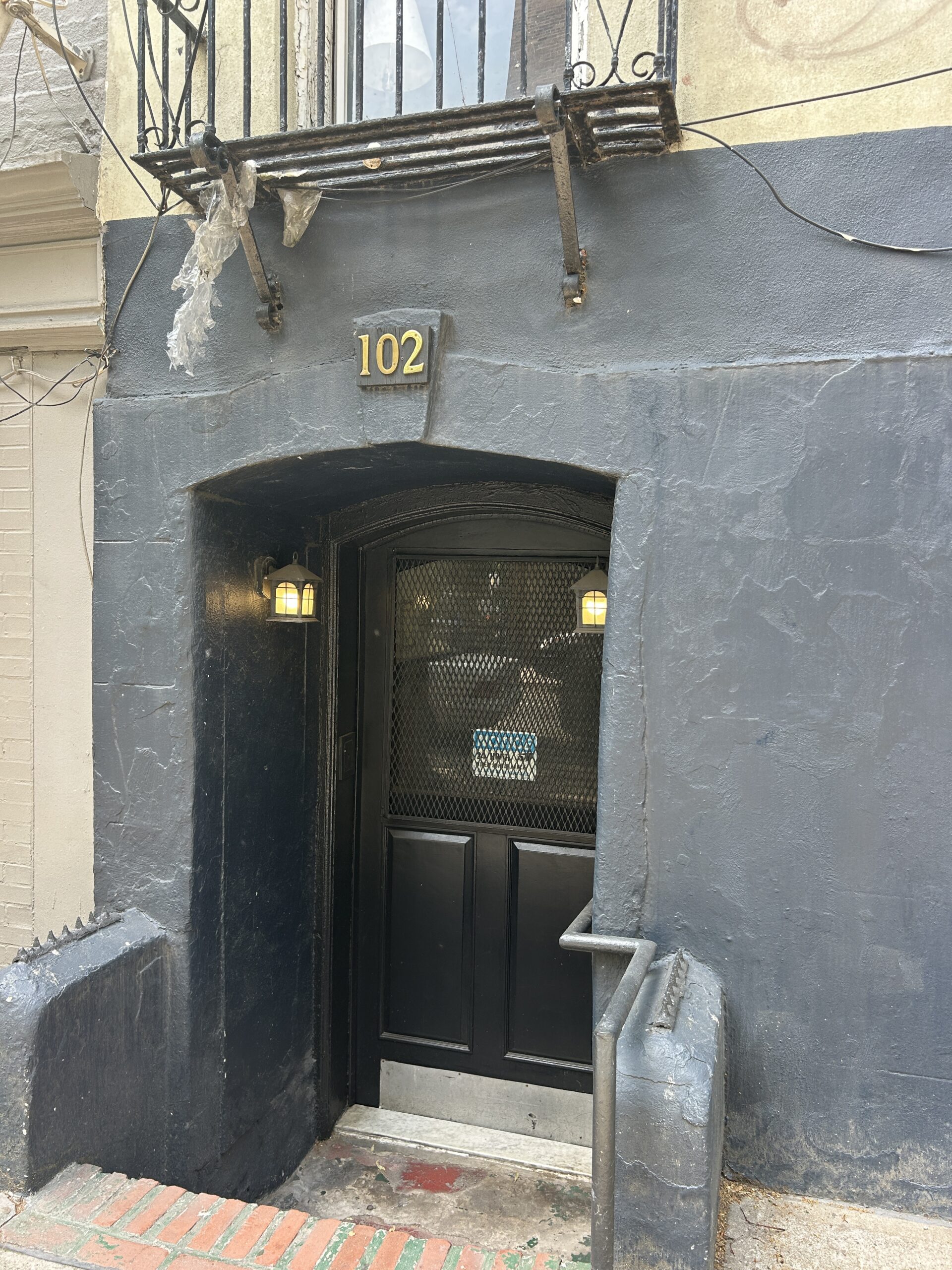
“Madonna’s first NYC apartment where she lived on her own. She also lived at 102 E. 4th.”
———
599 BROADWAY
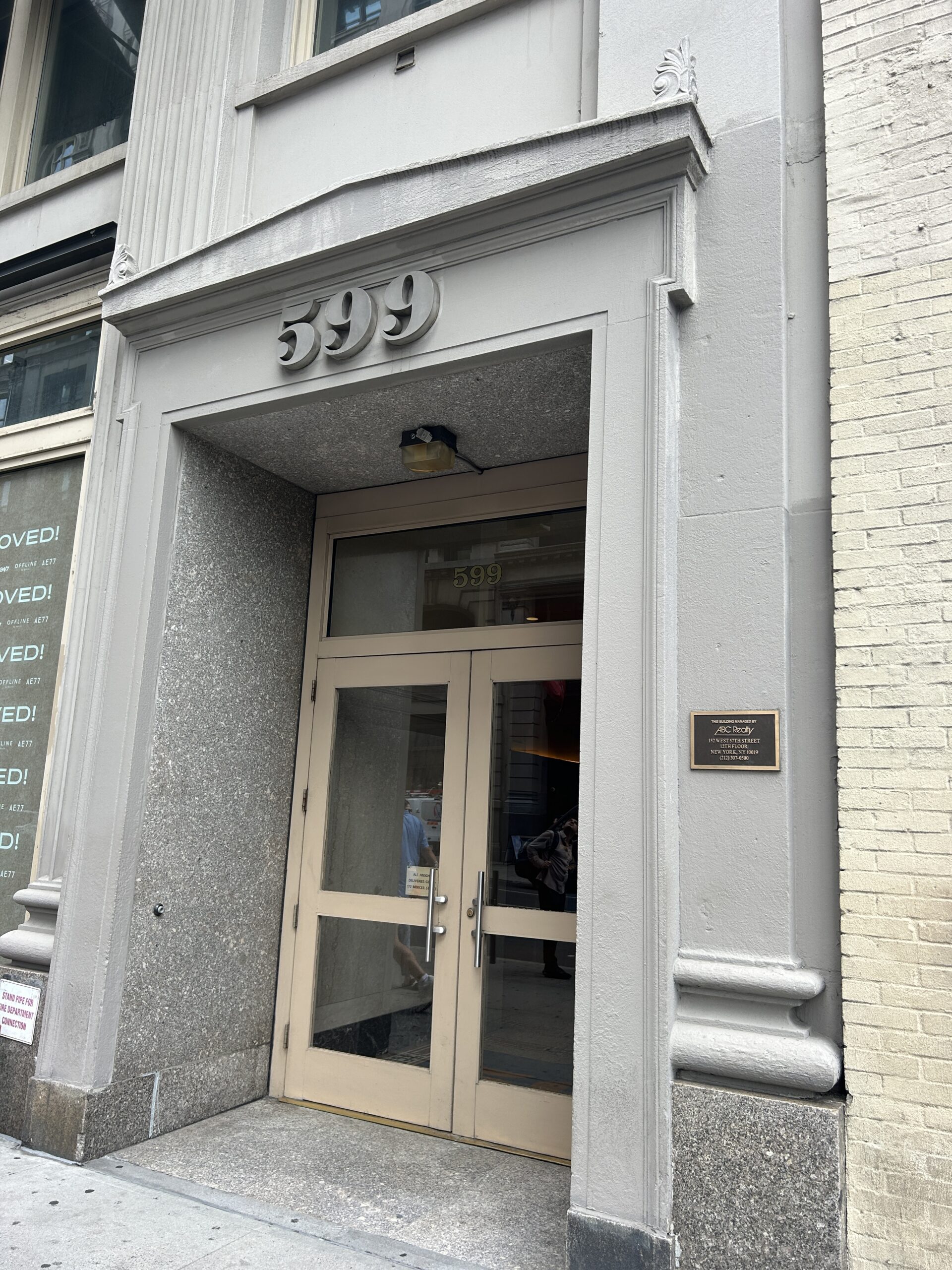
“Former site of Chase Park, advertised as Madonna’s first NYC appearance in October 1981.”
———
119 2ND AVENUE
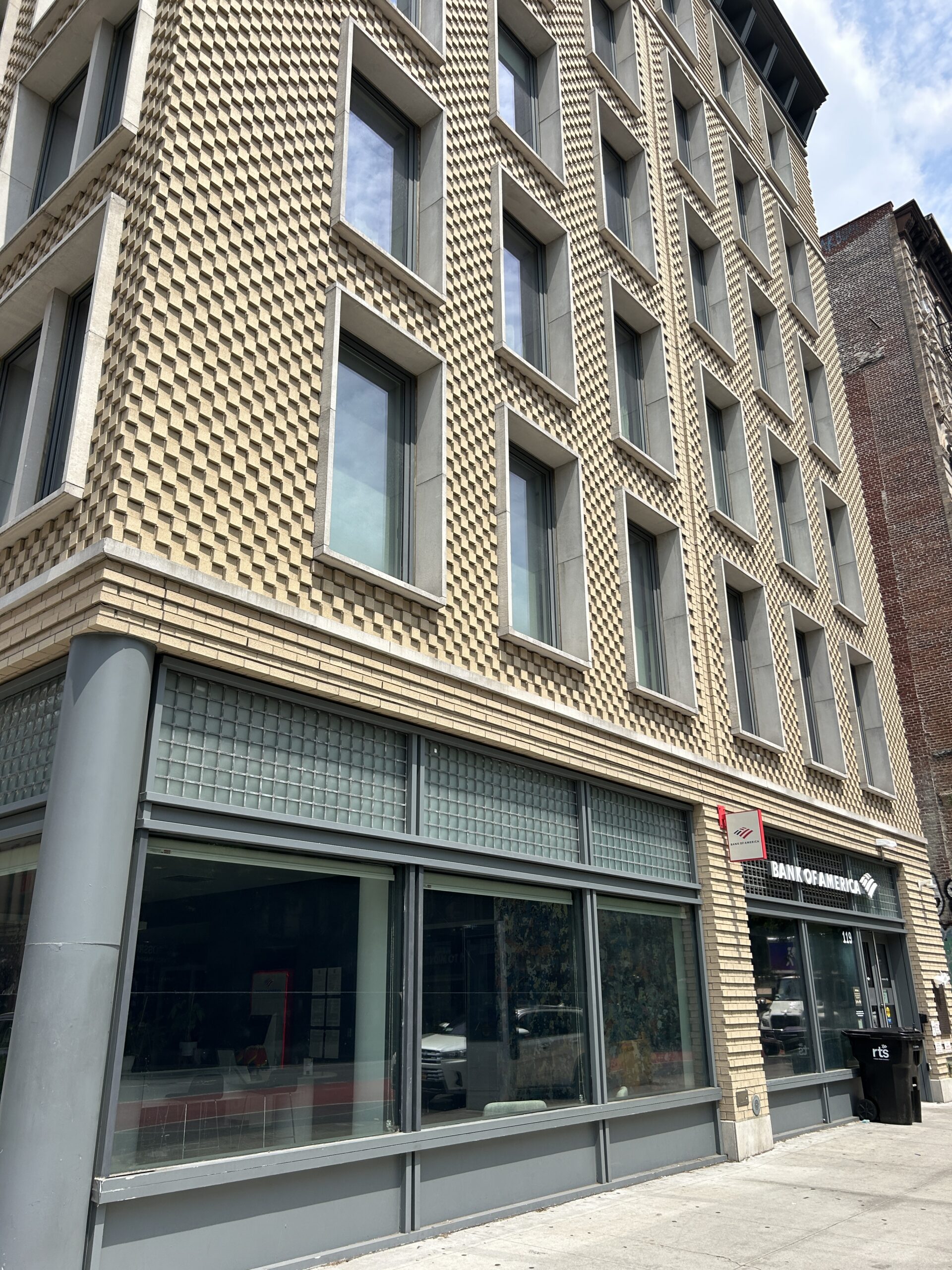
“Former site of Love Saves the Day from Desperately Seeking Susan.”
———
213 PARK AVENUE SOUTH
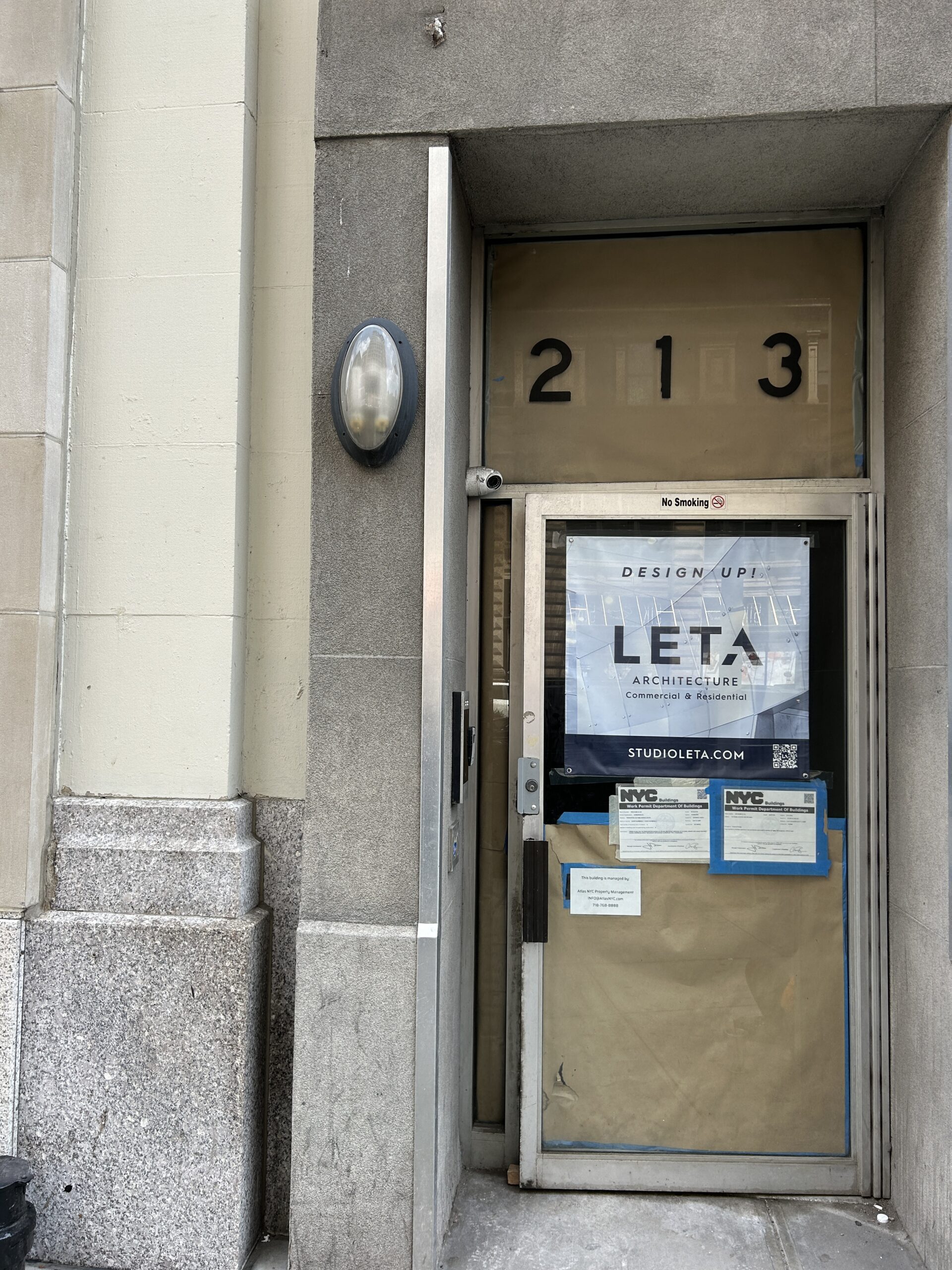
“Former site of Max’s Kansas City. In 1981, she was advertised for the first time as ‘Madonna.'”
———
30B CARMINE STREET
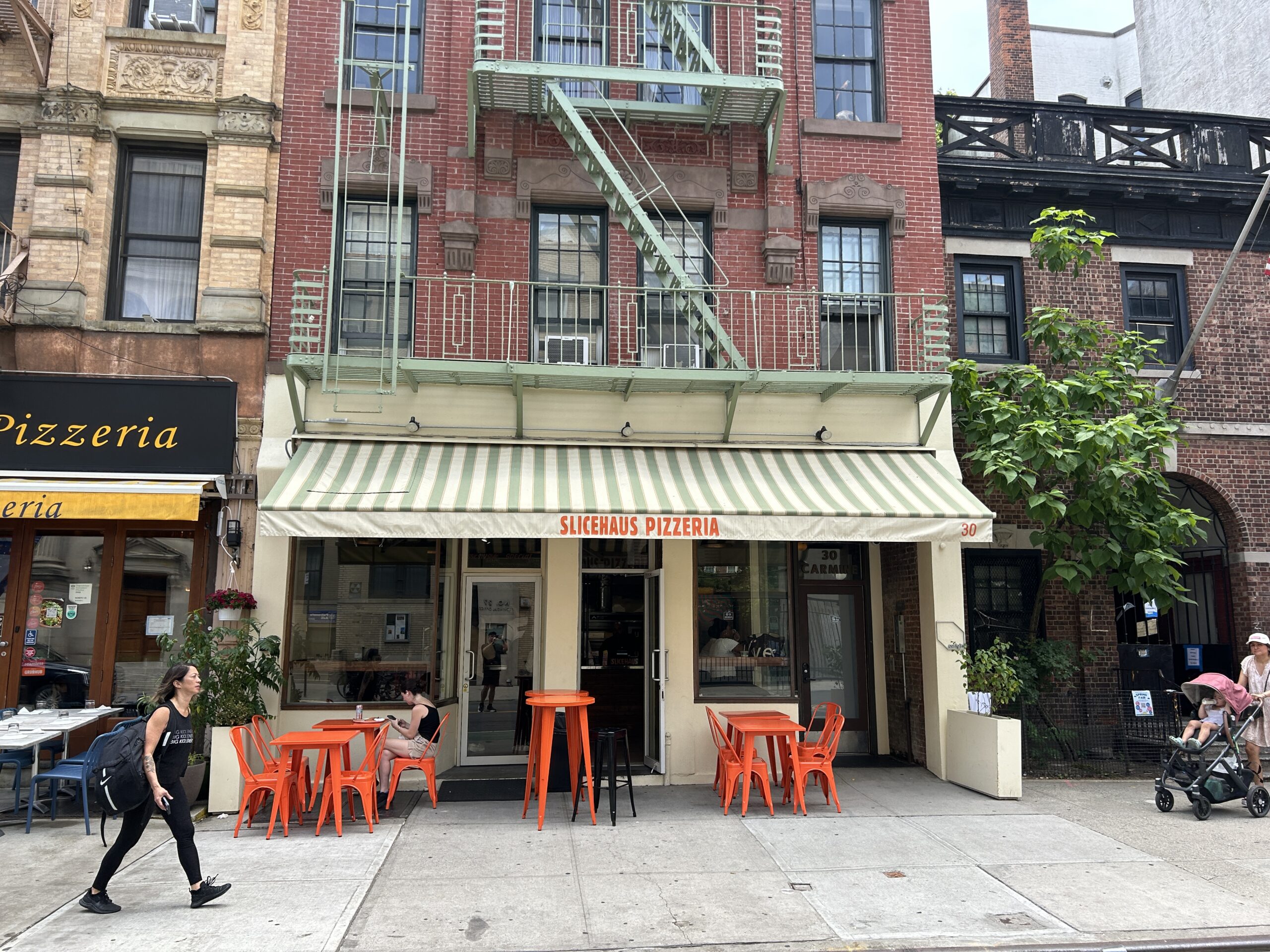
“Former site of Vinyl Mania, a record store where Madonna did her first (and one of her only) in-store album signings for her first album Madonna on August 26, 1983.”
———
542 LAGUARDIA PLACE
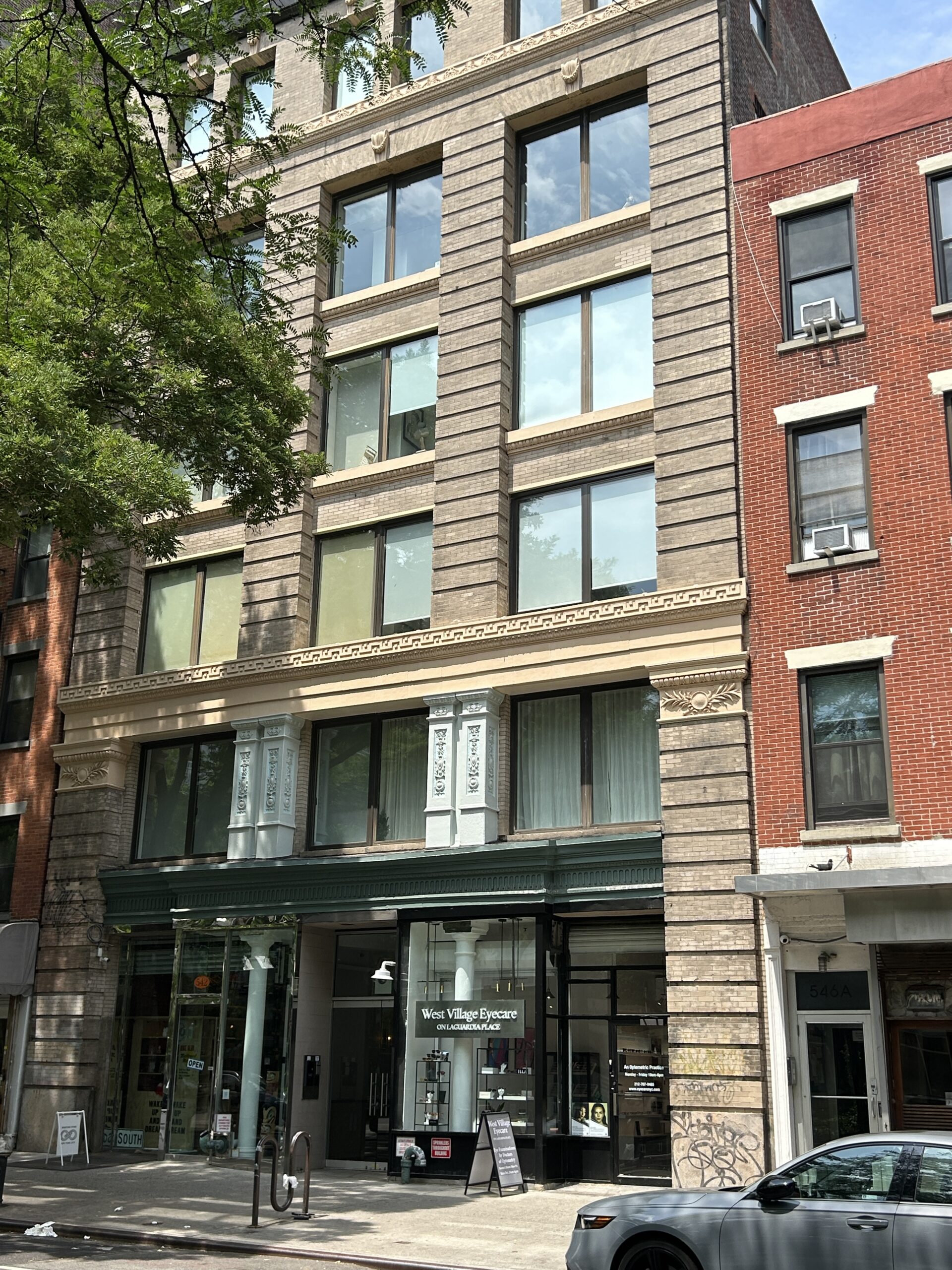
“Site of Keith Haring’s last home in which he died. Madonna and other intimates gathered here shortly before his death from AIDS to bid him farewell.”
———
30 W. 21ST
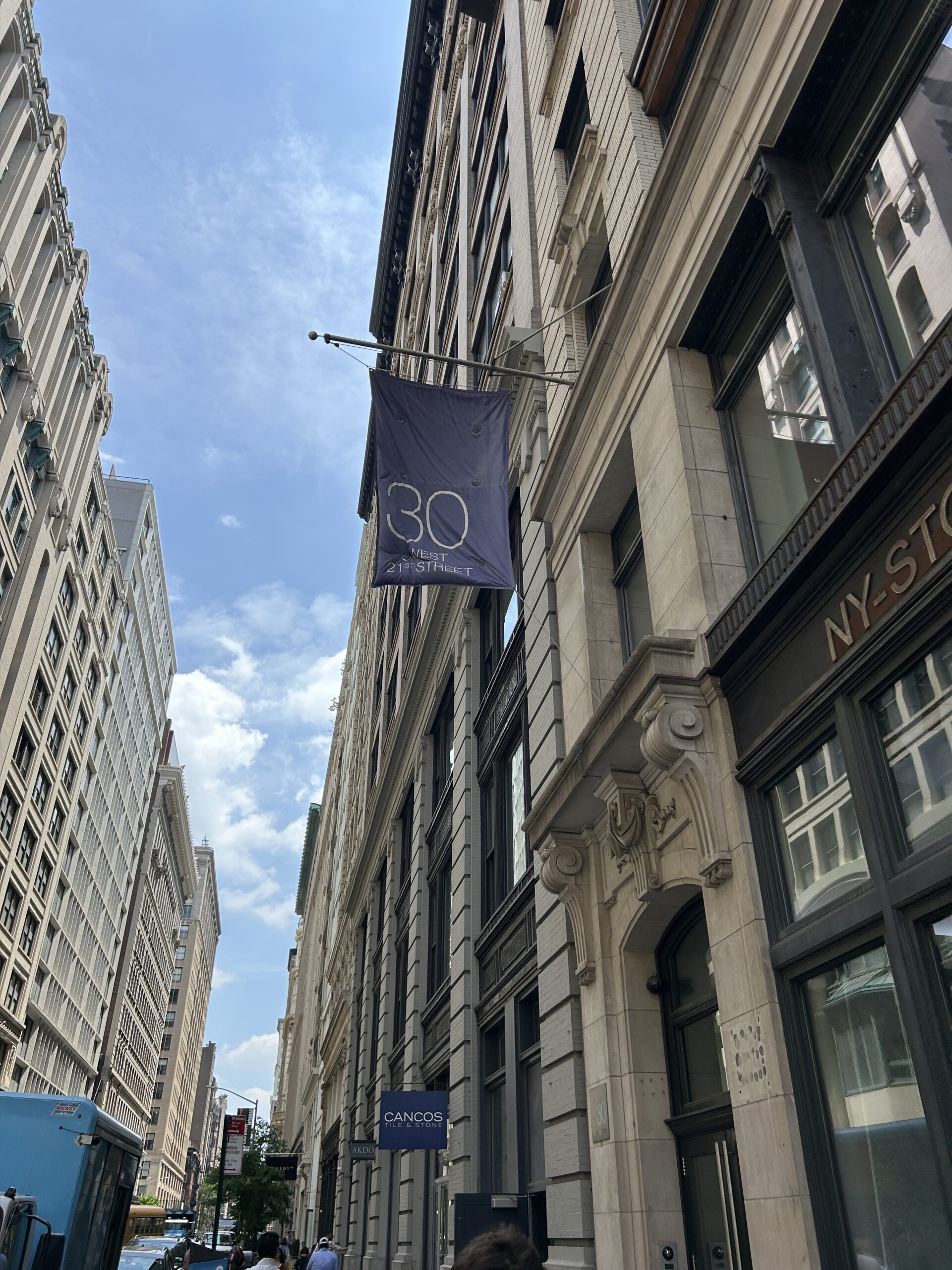
“Former site of Danceteria, the legendary club where Madonna met her friend Debi Mazar running the elevator and handed her demo to DJ Mark Kamins. Also where a key dancing scene in Desperately Seeking Susan was filmed. The place is so vital to her history she is releasing a song called ‘Danceteria.’ She said in 2021 it’s the club she most misses.”
———
515 W. 18TH STREET
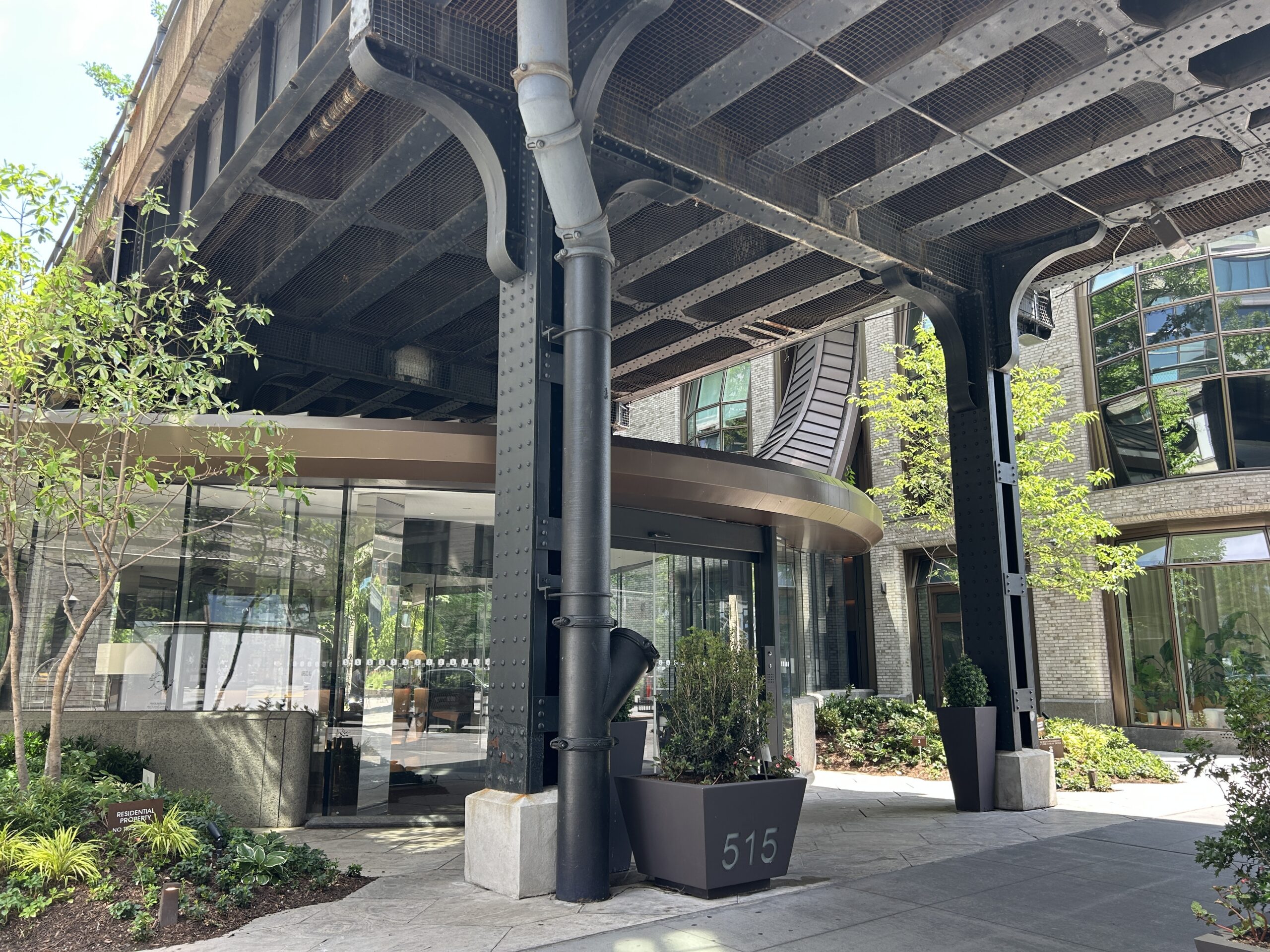
“Former site of the Roxy. Madonna frequented the joint and performed in 1983. It is also where her first-ever magazine cover was launched (also 1983), Island. In 1998, she gave a legendary late-night performance to promote Ray of Light, and returned in 2005 to plug Confessions on a Dance Floor with Stuart Price.”
———
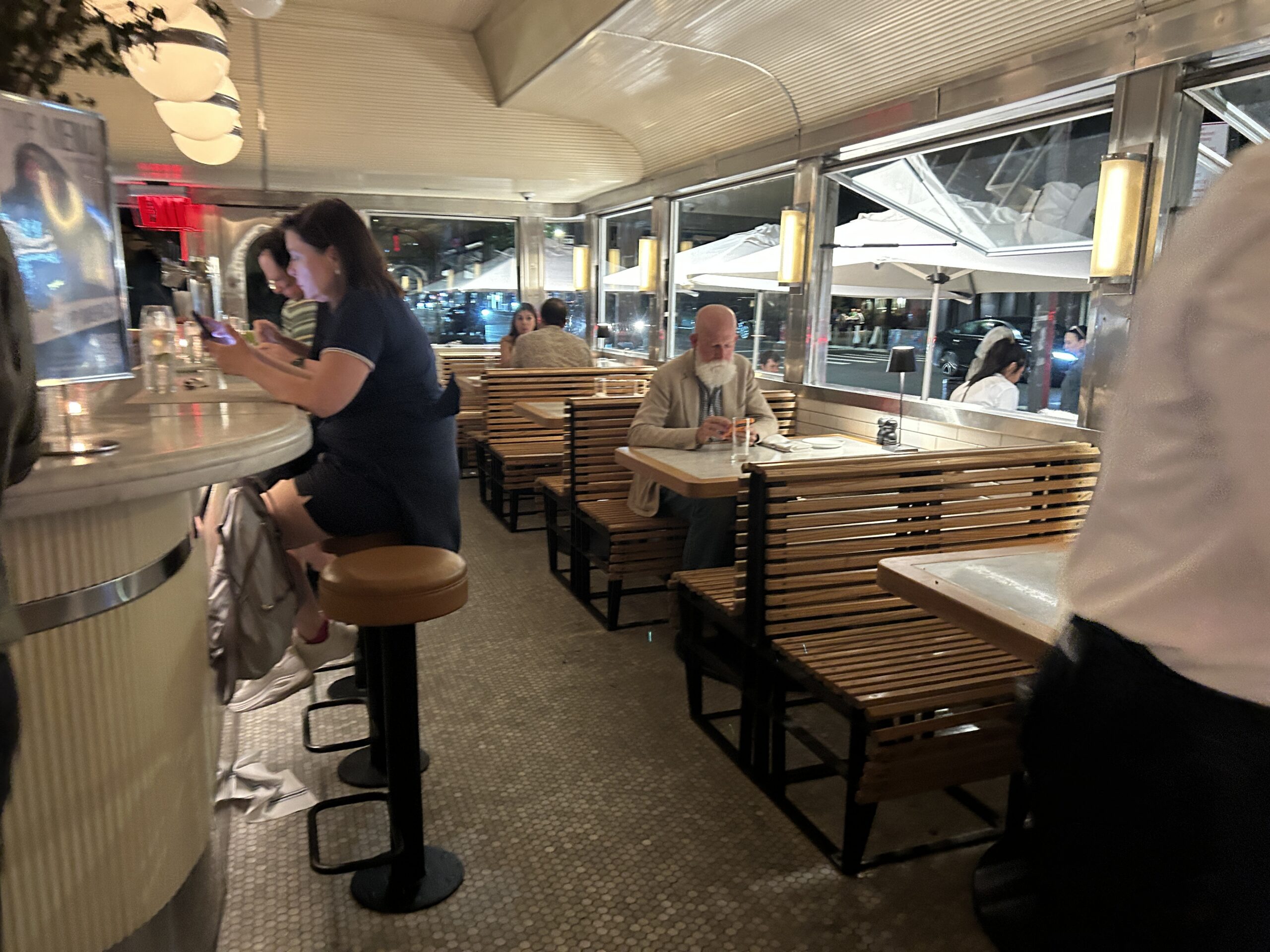
210 TENTH AVENUE
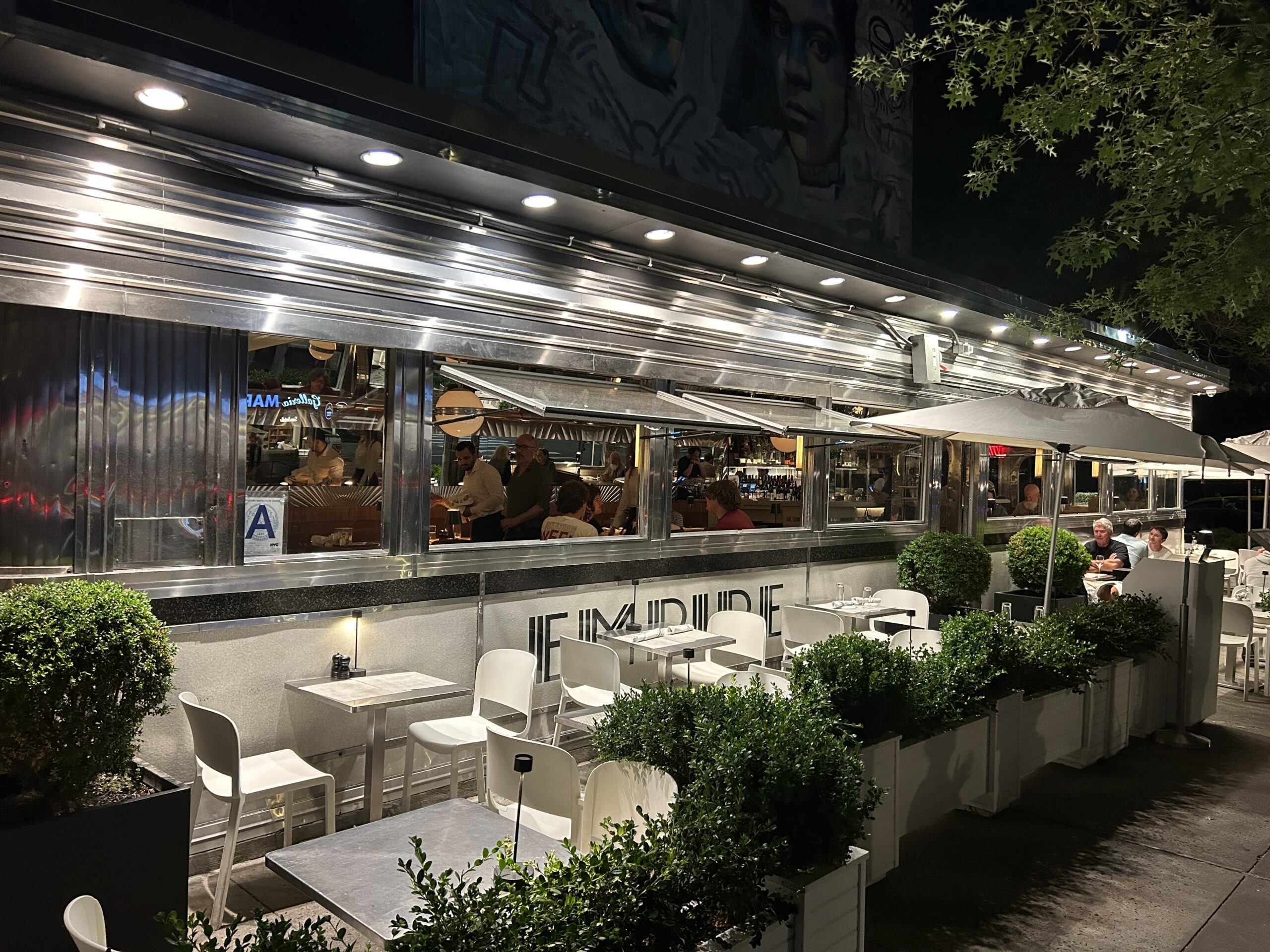
“Empire Diner, where part of Bad Girl was shot.”
———
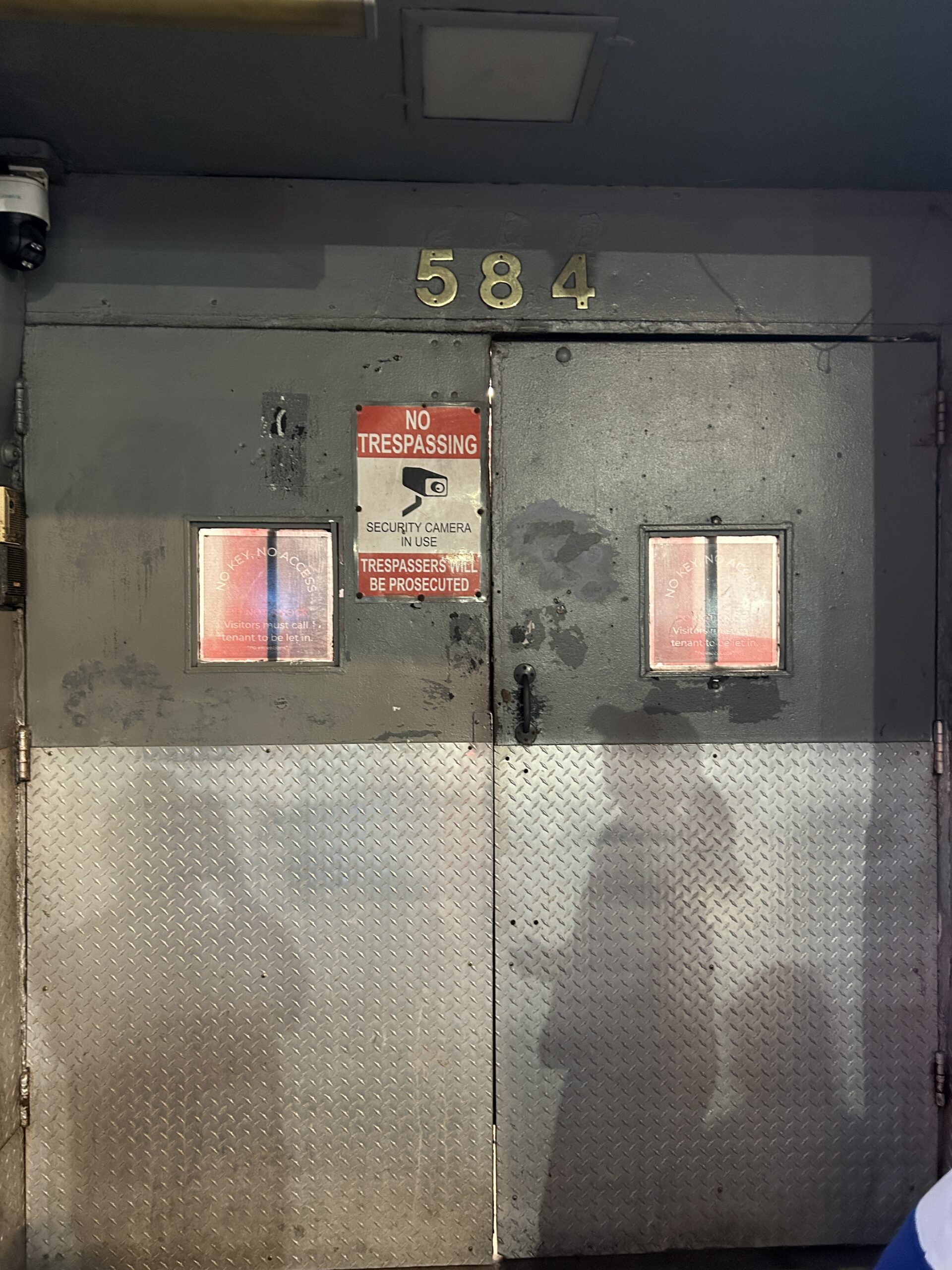
584 EIGHT AVENUE
“The Music Building, where Madonna rehearsed with her first group, the Breakfast Club, in an early incarnation, and where she occasionally lived. She took Kurt Loder on a tour of the place in 1998, and just this past month did a promo with Bilt to pay rentals for people working there.”
———
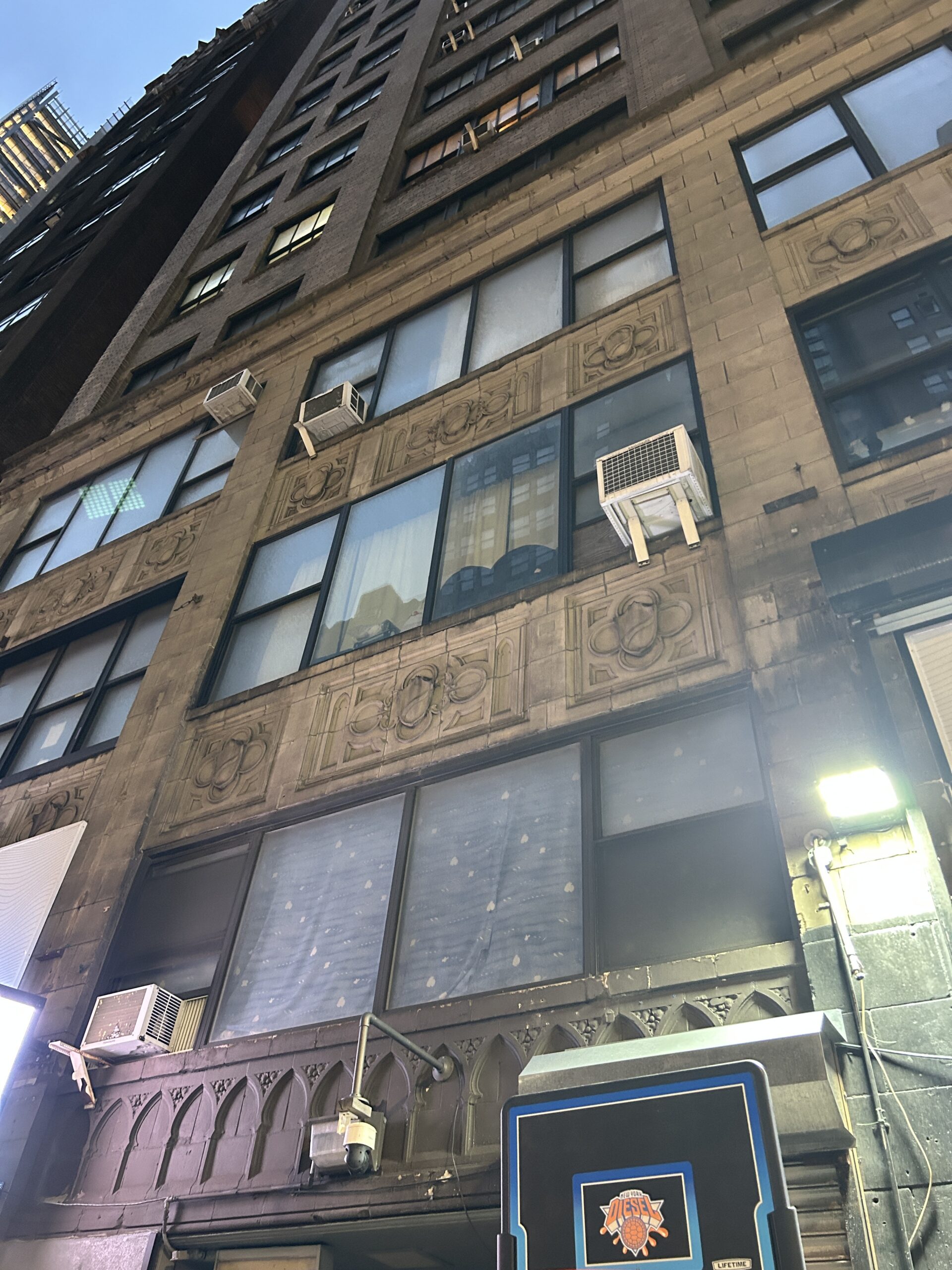
TIME SQUARE
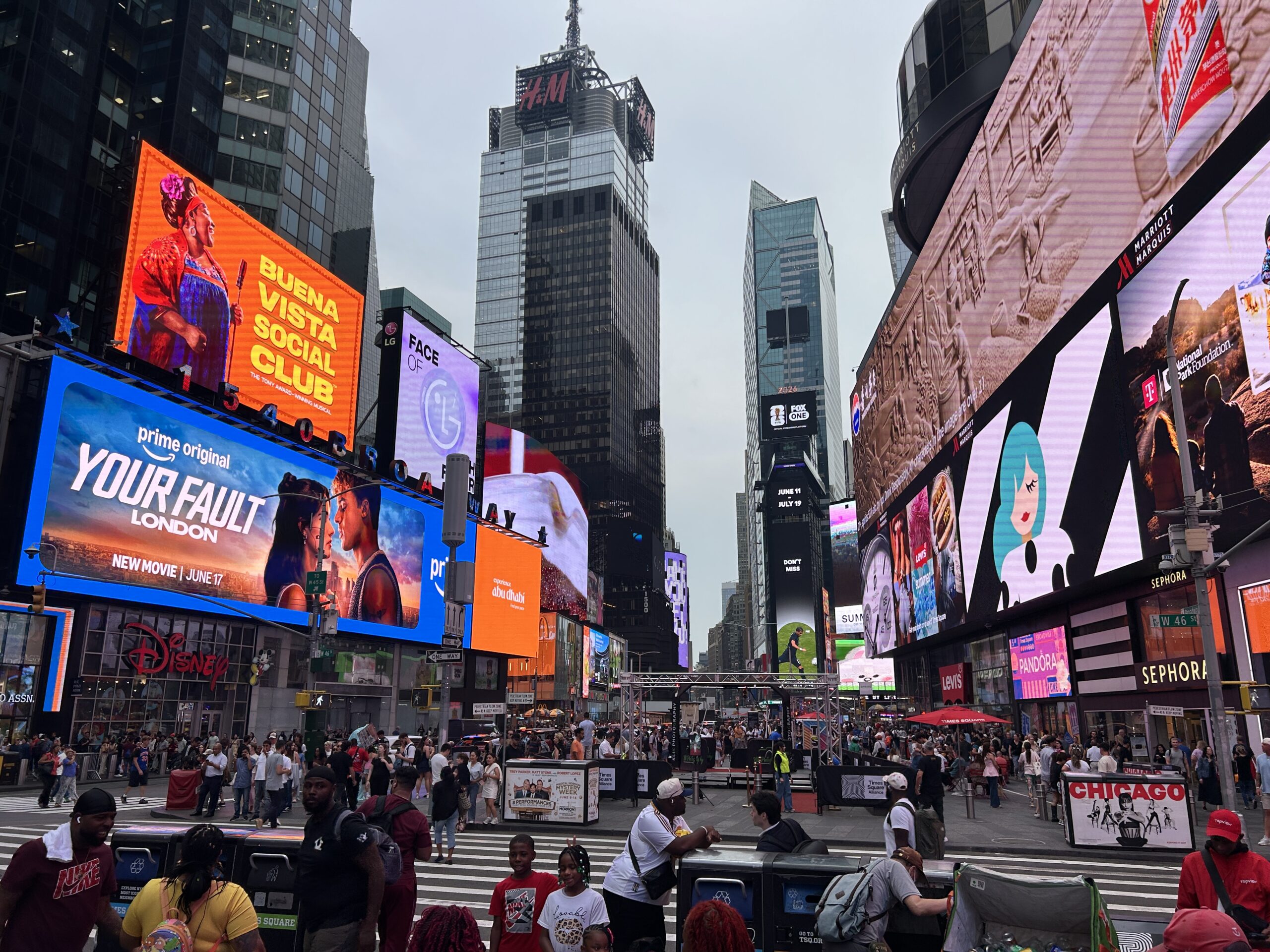
“Where Madonna was dropped off by a cabbie upon her arrival in NYC in 1978. Also the site of her Who’s That Girl movie premiere, as well as her 2026 TSX Confessions II pop-up concert.”
———
242 W. 45TH
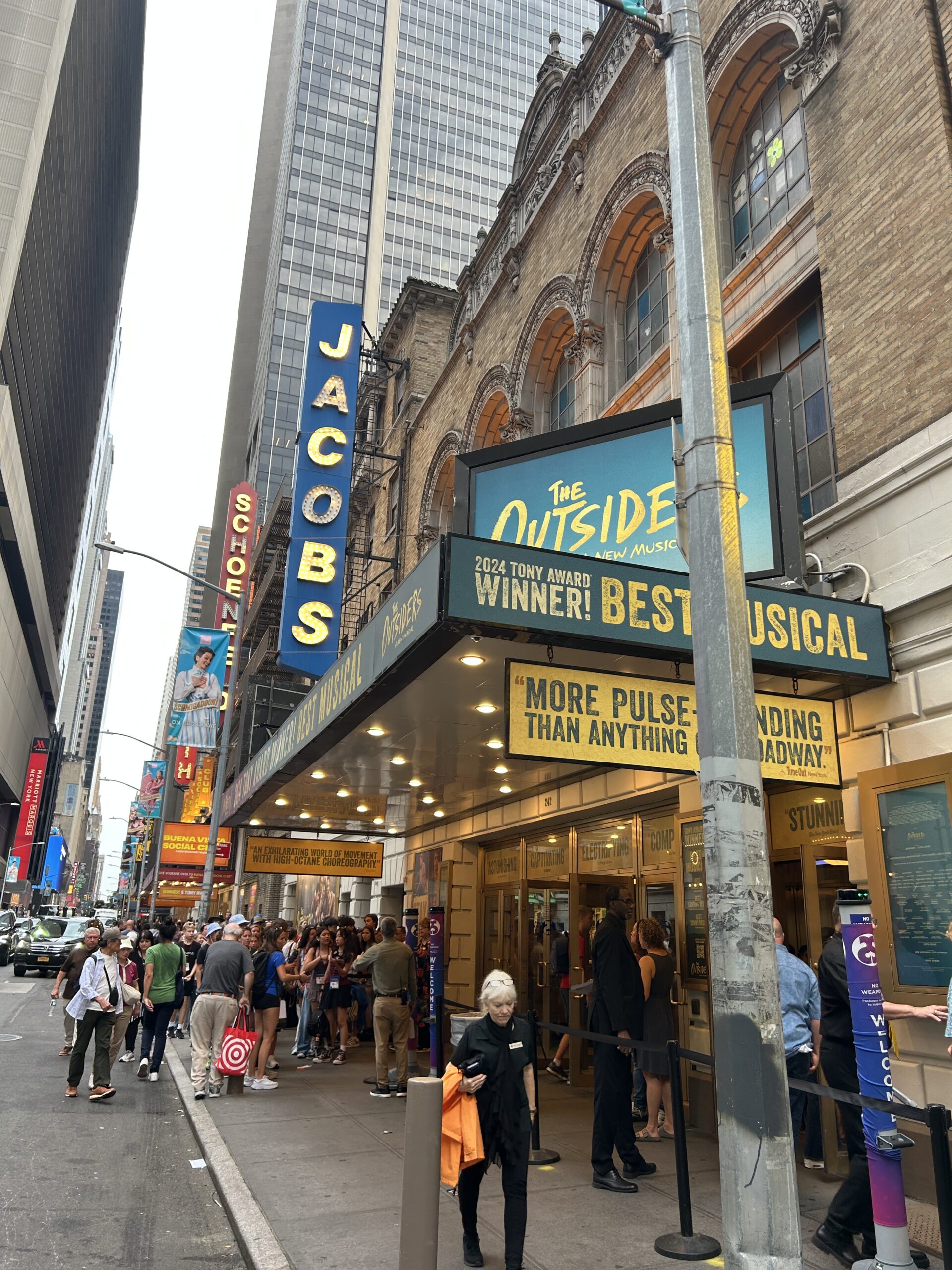
“Royale Theatre, now the Bernard B. Jacobs Theatre, where Madonna starred for months in Speed-the-Plow.”
———
201 W. 46TH
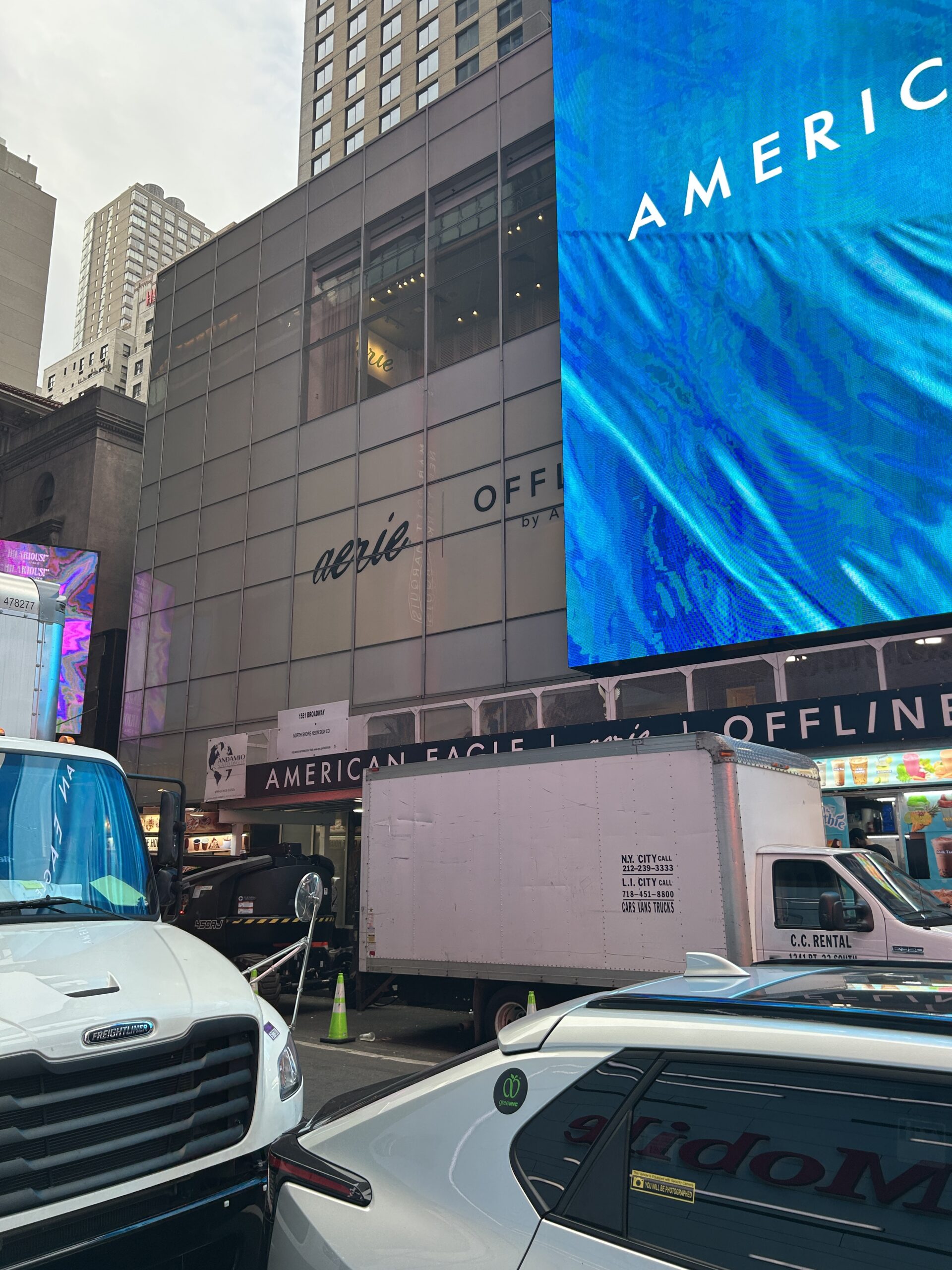
“Former site of The Gaiety, the gay strip club that appears in her Sex book.”
———
141 W 54TH
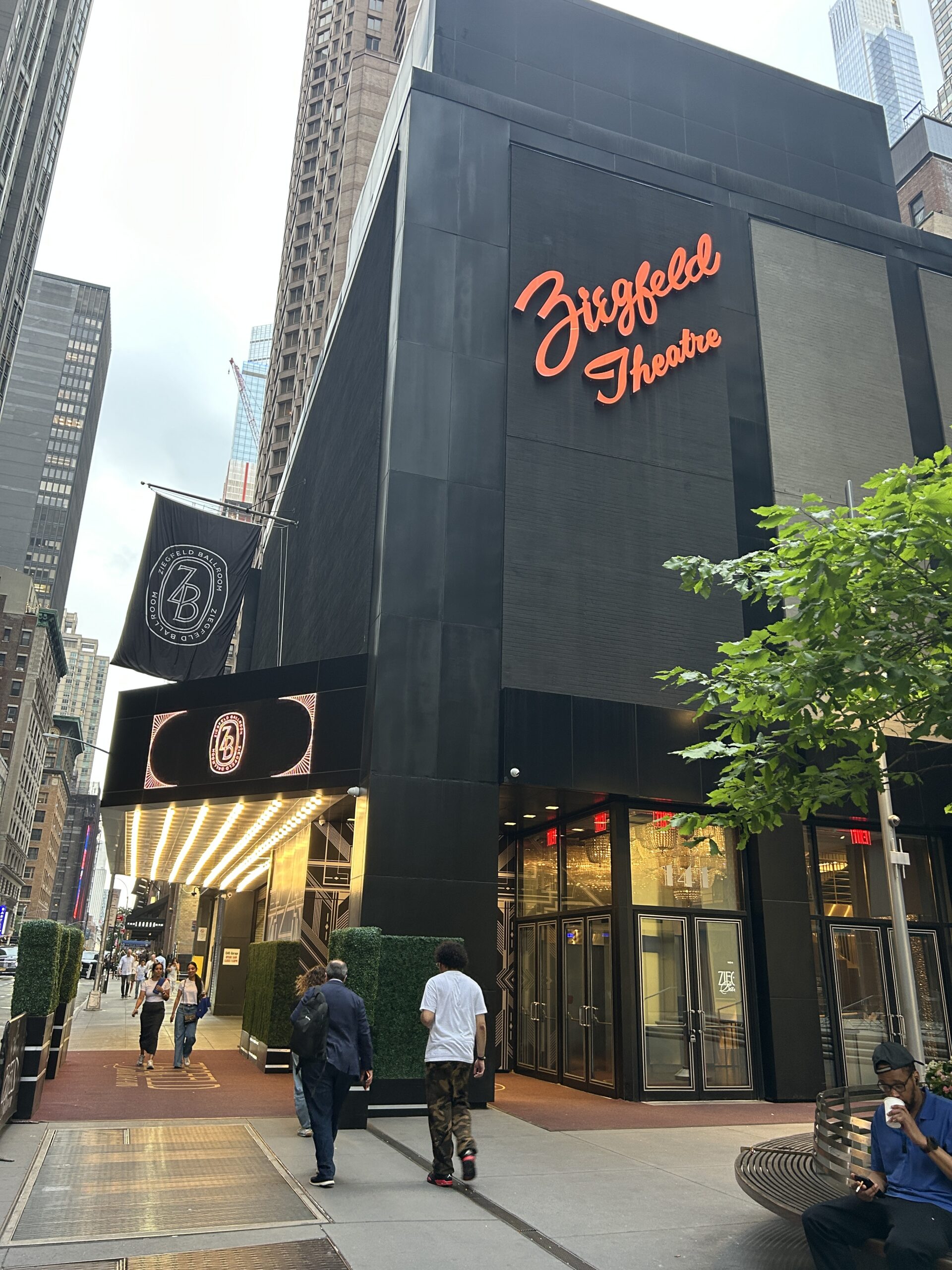
“Ziegfeld Theater, where Truth or Dare (1991), A League of Their Own (1992) and W.E. (2011) premiered.”
———
254 W 54TH
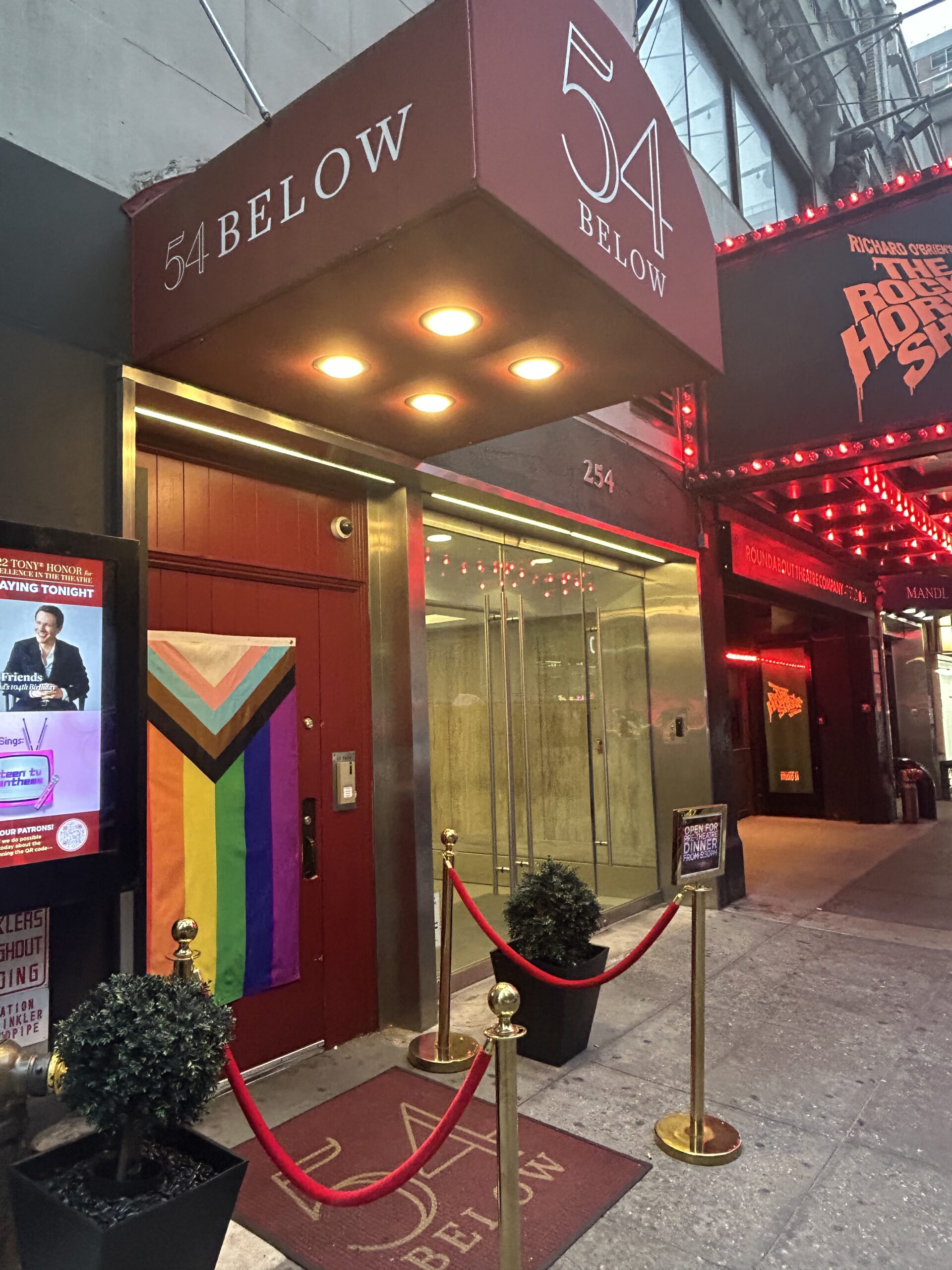
“Studio 54, where Madonna often performed past midnight and where—in the basement area now known as 54 Below—she did some of the vocals for Erotica.”
———
1697 BROADWAY
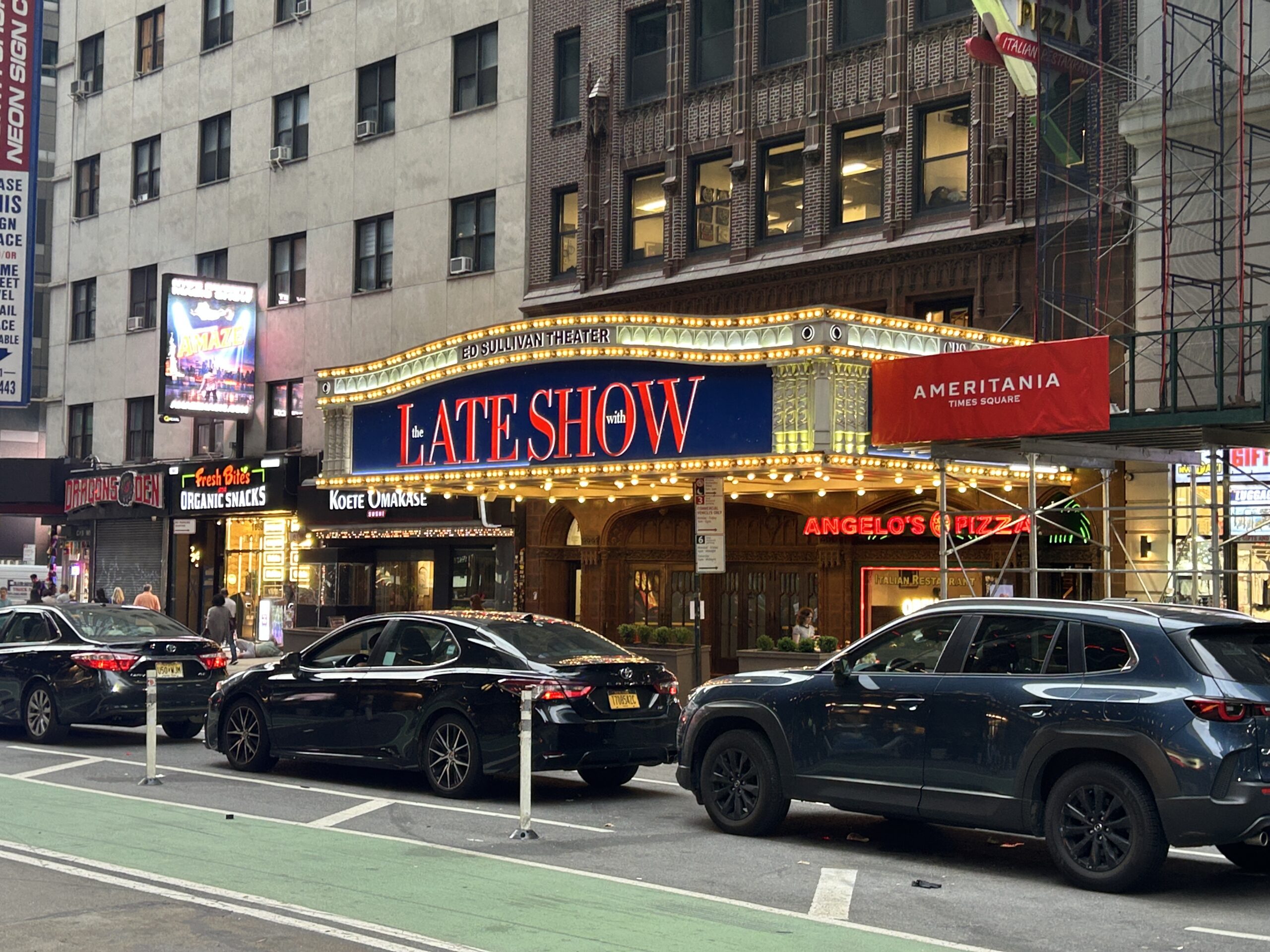
“Ed Sullivan Theater, where Madonna visited David Letterman and, in 2005, rode a horse down W. 53rd.”
———
2 E. 55TH
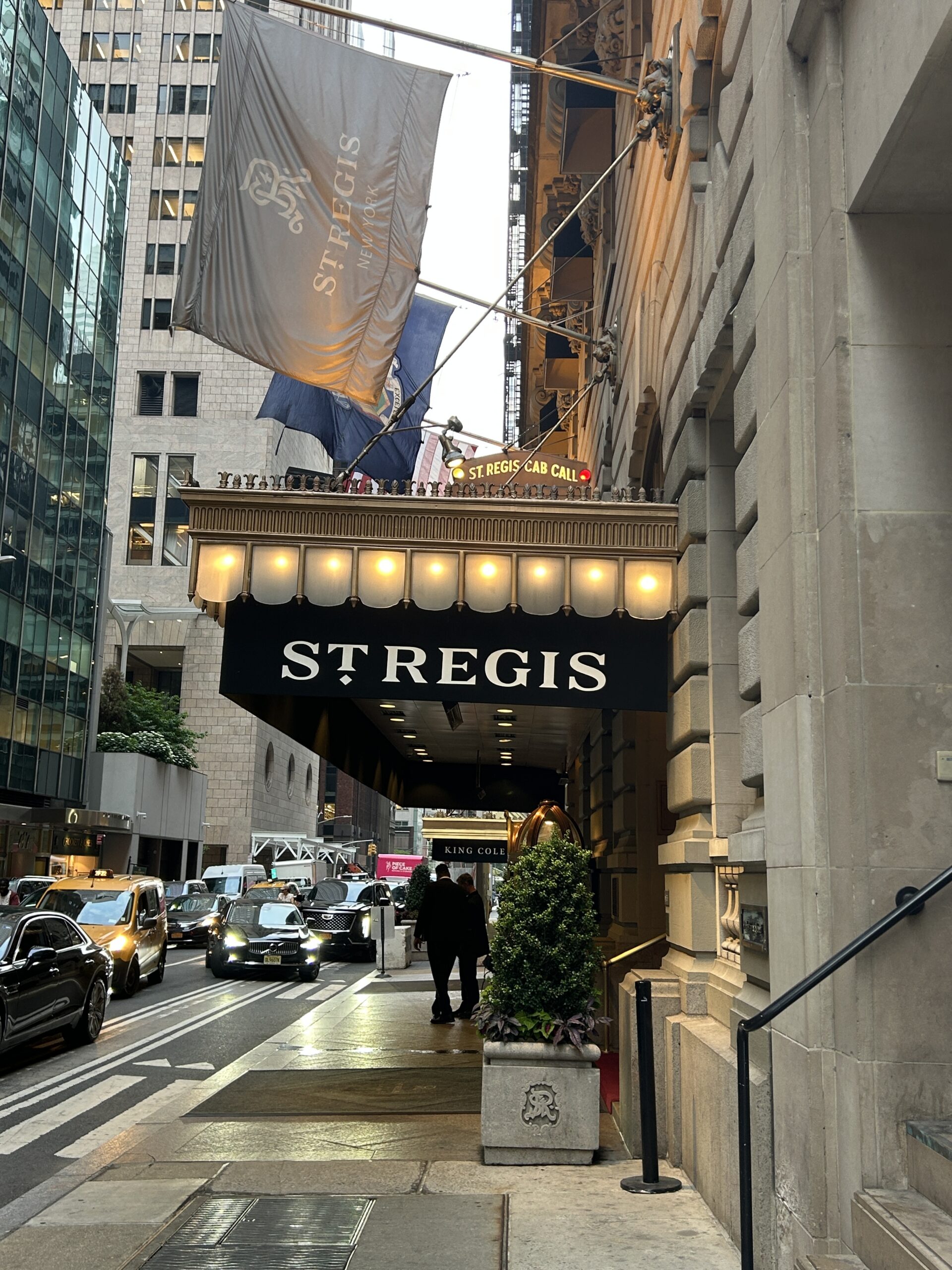
“St. Regis Hotel, where Steven Meisel—with Maripol as stylist—shot Madonna’s iconic Like a Virgin album cover.”
———
1 W. 64TH / 41 CENTRAL PARK WEST
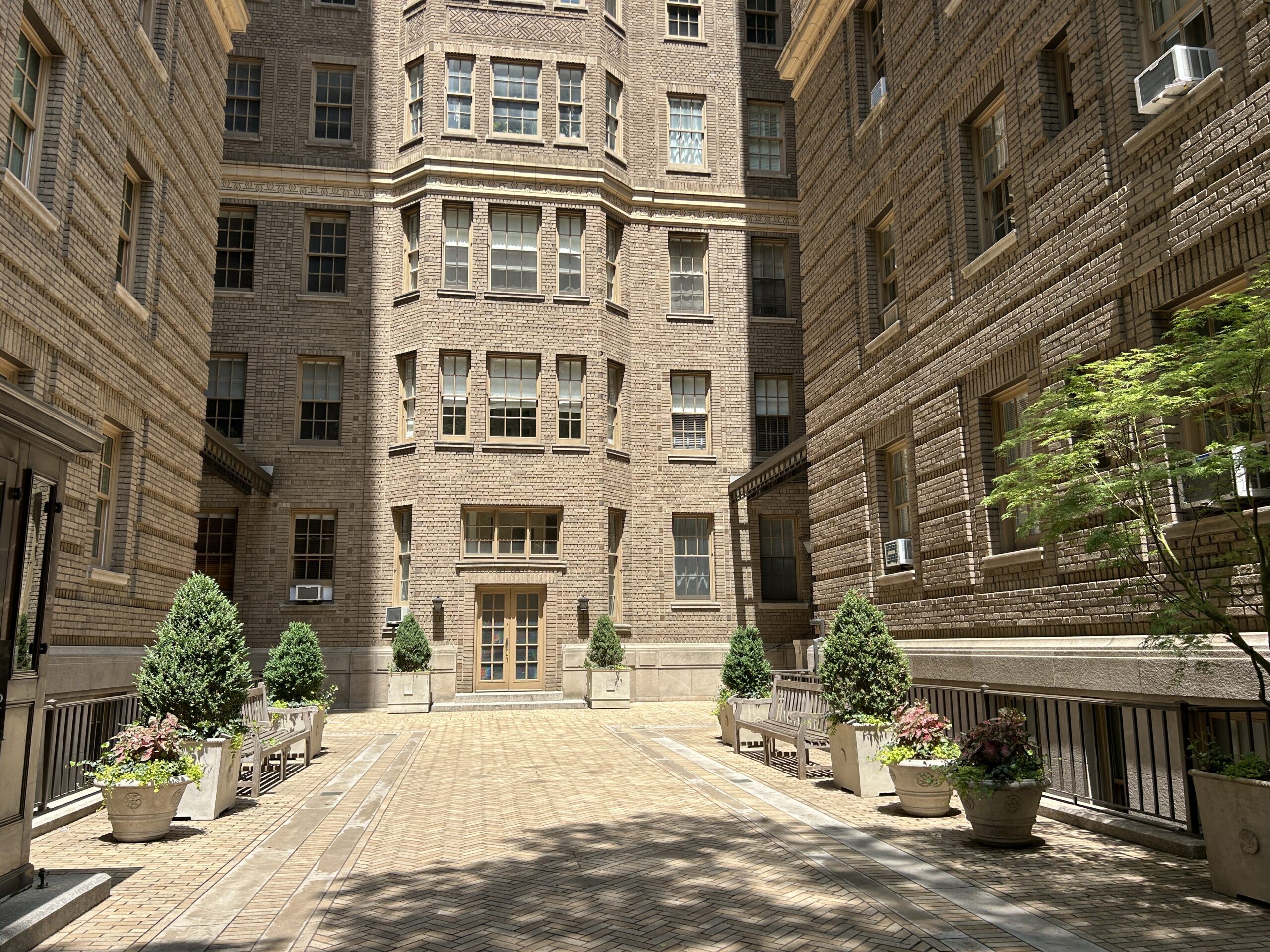
“Harperley Hall. Site of the apartment Madonna bought in 1985 after being rejected by the co-op board of the San Remo (145-146 Central Park West). Eventually renovated it until it was a 6,000-square-foot unit on two floors. Her brother Christopher Ciccone decorated it. It sold for $19 million.”
When Konyikeh emerged with her 2023 debut EP ‘Litany’, the world was introduced to a charming, sonorous voice that felt as timeless as it did unique. Quickly, she carved a niche for herself with a sound that mirrors the intersections of her creative journey – teachings from her early classical training moving freely between the R&B, jazz, rap and choral music she absorbed growing up.
It wasn’t long until that mix scored the London-born, Essex-raised singer, songwriter and multi-instrumentalist her breakthrough moment – a striking COLORS performance of her pensive ballad ‘Girls Like Us’ in 2023 – and earned her opening slots for Sam Smith, Tems, Jalen Ngonda and more. Now, with a reputation as one of Britain’s most compelling rising talents cemented, she earned a spot on the NME 100 last year and has signed with FAMM, the close-knit independent label founded by Jorja Smith.
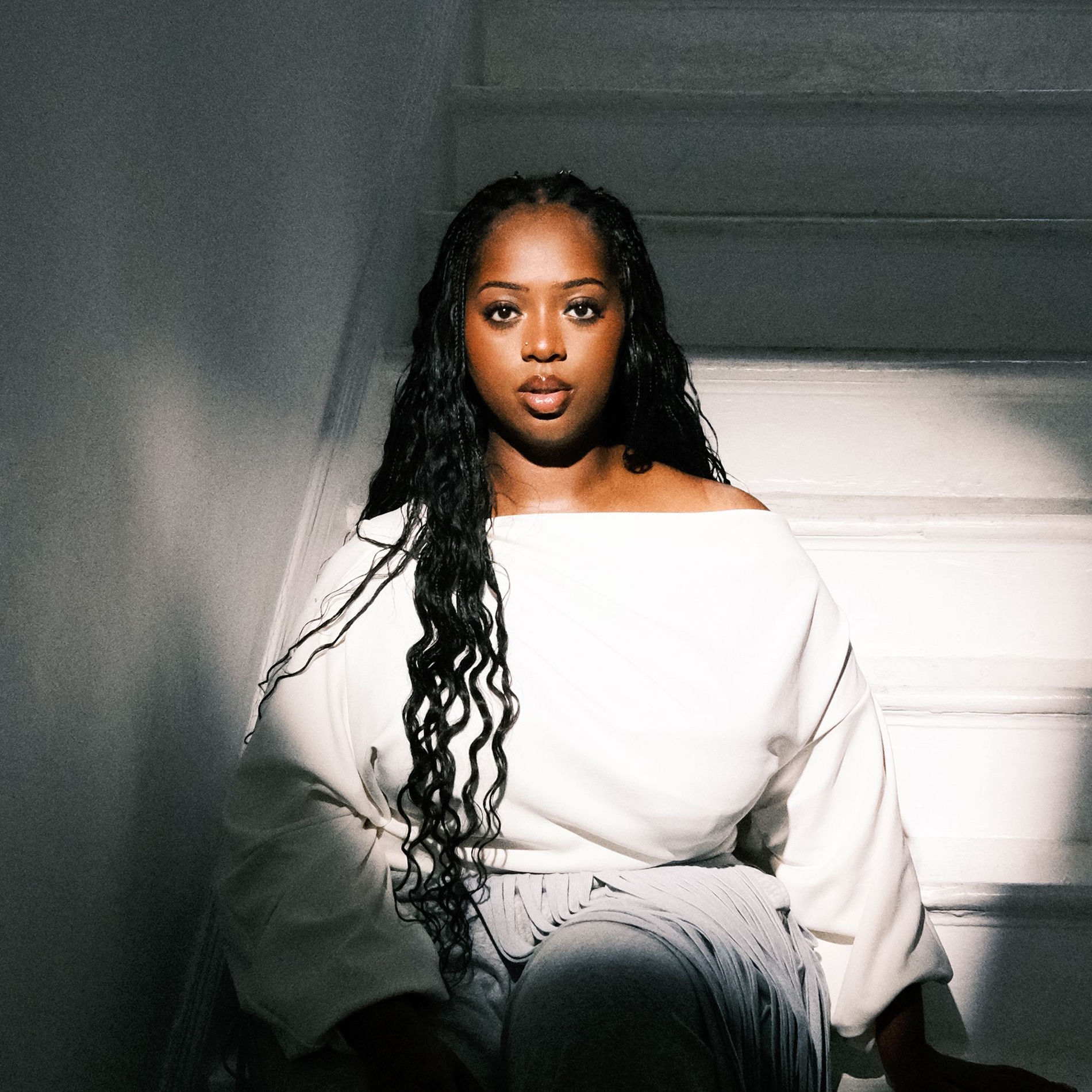
“I think she’s been able to show people that you don’t have to stay in one box,” Konyikeh says of Smith, sitting on a comfy couch in the FAMM office – an unassuming red-brick home in the middle of Bethnal Green. The sentiment could easily apply to her own artistry. While listeners often place the 26-year-old within soul or R&B, those labels have never fully captured the breadth of her influences.
Instead, her music reflects a lifetime spent collecting sounds from wildly different places and allowing them to sit alongside one another. For a long time, Konyikeh was “scared to tap into” her classical background, but with her pivotal third EP ‘Cinere’, she pulls together the many worlds she’s spent her life moving between. On the record, which was released last month and is named after the Latin phrase “ex cinere” – or “from the ashes” – she goes “back to basics”, burning down all the rules holding her back, returning to the foundation she once tried to outrun.
Konyikeh was eight years old when she successfully auditioned for Guildhall School of Music & Drama after a teacher at her small Catholic primary school spotted her aptitude for the violin. The next decade was spent immersed in orchestras, chamber choirs, music theory and performance, later joining the National Youth Orchestra and National Youth Choir. Classical music became her first language, but never her only one. Outside rehearsal rooms, she was listening to pop on the radio with her mum, falling in love with musical theatre via Andrew Lloyd Webber productions, opera and ballet before eventually soundtracking her teenage years with Afroswing, J Hus and Southern rap. When she says she “grew up on everything”, she really means it.
Stories were also just as important as songs. Growing up, Konyikeh devoured books, recalling childhood obsessions with Jacqueline Wilson, the Cherub series and Malorie Blackman’s Noughts & Crosses. More recently, she’s returned to Carol Ann Duffy’s poetry, admiring its purposeful, emotive punch, which she hopes to channel with her own songwriting for ‘Cinere’: “My songs are relatively short, so I want to make sure every word has an intention behind it.”
Despite spending years immersed in classical music, Konyikeh developed a complicated relationship with her place in that world. “I was known as the violin girl for so long, and I had some resentment towards that,” Konyikeh confesses, revealing that she didn’t play for the FAMM team because she “hated” feeling like she was “showing off”. This self-consciousness followed her into the studio. “I’m used to having sheet music in front of me, and I’m playing what I’m taught, whereas now I have the ability to just play anything that comes into my head. My big fear was, like, ‘What if I make a mistake in the studio, in front of everyone? What’s going to happen?’ It felt so embarrassing.”
Konyikeh wrote her first song at 13 and spent years filling notebooks with poems and stories before recording over YouTube beats, and eventually uploading tracks to SoundCloud during a gap year. Those early songs would later form the foundation of ‘Litany’, a collection that drew from material she’d written between the ages of 13 and 19.
“After feeling so numb, I realised it’s such a luxury to be able to feel emotion”
Among them was ‘Girls Like Us’, a track exploring the pressures Black women often face to assimilate or make themselves smaller in environments where they already stand out. The song resonated deeply with listeners, particularly after its COLORS performance introduced Konyikeh to a wider audience. “It made me sad but glad,” she says about the reception of the heart-stirring performance. “I hate that people relate to this, but thank you for listening.” In a way, the more specific she became, the more universal her music felt.
Yet while her career continued gathering momentum, Konyikeh found herself increasingly disconnected from the music she was making. Looking back on 2024’s ‘Problem With Authority’, she speaks candidly about her emotional state at the time. “I couldn’t feel anything,” she says. “It’s not that I didn’t care, but I was in a very emotionally numb point in my life.” Though listeners connected with the project, she struggled to feel the same certainty herself. The experience became a turning point. It clarified exactly what she wanted from her next release and, perhaps more importantly, what she didn’t. “I wanted to make something that I could really feel and really advocate for.”
That decision became the foundation of ‘Cinere’. Returning from tour with Jalen Ngonda last spring, Konyikeh found herself thinking about live music, instrumentation and the emotional impact they could have on people. Rather than distancing herself further from her classical upbringing, she decided to embrace it completely. Strings became central to the project. Choirs returned. Live instrumentation shaped the arrangements. Konyikeh arranged and performed many of the string parts herself while earning production credits across the record. “I just wanted to go back to what I know and love,” she says. “Live music and instruments and raw emotion.” It required unlearning years of self-consciousness and finally allowing herself to draw from the skills she’d spent a lifetime developing.
The shift extended far beyond the music itself. Konyikeh became deeply involved in every stage of the creative process, from production decisions and mixes to visual concepts, edits and creative direction. “If you speak to FAMM candidly, it was very much my way or the highway,” she laughs. Instead of being rooted in ego, her confidence came from finally trusting her instincts. She’d fiddle with instruments in the studio until a twang was tuned just right for her ears, and would build upon it until she had songs she loved.
Konyikeh credit: Maria Pearl
That’s how ‘Mercenary’, a track inspired by gqom, amapiano and Arabic scales, came to be. While others around her initially struggled to understand what she was making, Konyikeh never wavered. “‘Mercenary’ made me feel something,” she offers. “After feeling so numb for a lot of 2024 and 2025, I realised it’s such a luxury to be able to feel emotion.” Throughout our conversation, she returns to that word again and again: feeling. It’s what guides her songwriting, production choices and listening habits. Whether she’s talking about Mariah The Scientist, Slayyyter or Mozart, the criteria remain remarkably consistent: “Sounding good and feeling good are the same thing.”
After resisting “the violin girl” tag for years, her classical training now sits proudly at the centre of her music, informing everything from arrangements to production choices. It’s the same confidence that led her to advocate for mixes, visuals and creative decisions throughout the making of ‘Cinere’, and the same confidence she credits with finally giving her faith in herself.
“I realised what my core beliefs are and how I want to do things. That’s why, in 2025, I was like, ‘No, I’m going to run a tight ship, and I’m going to do it my way,’” she says. “I developed a stronger sense of self. I developed a lot of autonomy. I realised I have no one to report to about myself.” It might have taken years for her to arrive at that understanding, but ‘Cinere’ shines for it, allowing the things she once tried to keep separate to exist together.
COMMENTS
Leave a comment